6 Clinician Backed Rules for Drinking Alcohol on Semaglutide
6 Clinician Backed Rules for Drinking Alcohol on Semaglutide
Short answer: semaglutide carries no formal FDA contraindication with alcohol, so an occasional drink isn’t automatically off the table. But alcohol changes how you feel the drug and how the drug processes alcohol, raising real risks around blood sugar, nausea, and weight-loss progress. Moderation and a conversation with your prescriber are non-negotiable if you drink at all.
TL;DR:
- Drinking alcohol on semaglutide is not officially prohibited, but it can delay intoxication effects and increase risks of nausea, blood sugar drops, and pancreatitis.
- Combining heavy drinking with semaglutide may heighten pancreatitis risk and cause dangerous hypoglycemia in patients using insulin or sulfonylureas.
- Careful moderation, eating beforehand, hydrating, and monitoring blood sugar are essential if alcohol is consumed during treatment.
- Avoid alcohol entirely if you have active pancreatitis, poorly controlled diabetes, or a history of heavy or problematic drinking.
- Close clinician oversight, including wearable tracking and personalized guidance, significantly reduces risks associated with drinking while on semaglutide.
GlpcareMake Weight Management More PersonalGLPCare combines GLP-1 therapy, nutrition coaching, wearable health insights, and continuous clinician support for individualized weight management.Visit GLPCare
Table of Contents
- Does Semaglutide and Alcohol Interaction Carry a Formal Warning?
- How Does Semaglutide Change the Way Alcohol Hits You?
- How Can You Drink More Safely on Semaglutide?
- When Should You Avoid Alcohol Completely?
- What Should You Do If You Overdrink or Feel Off?
- Why Supervised Care Changes the Alcohol Conversation
- Drink Smarter With Clinician Oversight Built In
- Sources
- FAQ
Does Semaglutide and Alcohol Interaction Carry a Formal Warning?
You won’t find alcohol listed in the contraindications section of the Wegovy or Ozempic label. There’s no black-box warning, no “do not combine” language, nothing that flatly forbids it. That surprises a lot of people who assume any GLP-1 medication comes with a strict no-drinking rule.
But absence of a label warning isn’t the same as a green light. Clinicians who prescribe semaglutide regularly flag alcohol as a practical concern, even without a formal drug interaction listed. Here’s what actually overlaps:
- Pancreatitis risk. Semaglutide already carries a pancreatitis warning, and chronic heavy drinking is an independent risk factor. Combine both and some patients face a compounded concern, particularly anyone with a prior pancreatitis episode.
- Hypoglycemia. Alcohol suppresses the liver’s ability to release stored glucose. If you’re also taking insulin or a sulfonylurea alongside semaglutide, that combination can push blood sugar dangerously low, sometimes hours after you’ve stopped drinking.
- GI side effects. Nausea, vomiting, and delayed gastric emptying are already common on semaglutide, especially during dose increases. Alcohol irritates the stomach lining and can intensify every one of these symptoms.
One clinical guidance resource flags high-risk groups specifically: patients with poorly controlled diabetes, high triglycerides, nerve damage, or a history of pancreatitis should treat alcohol with extra caution, not casual acceptance.
How Does Semaglutide Change the Way Alcohol Hits You?
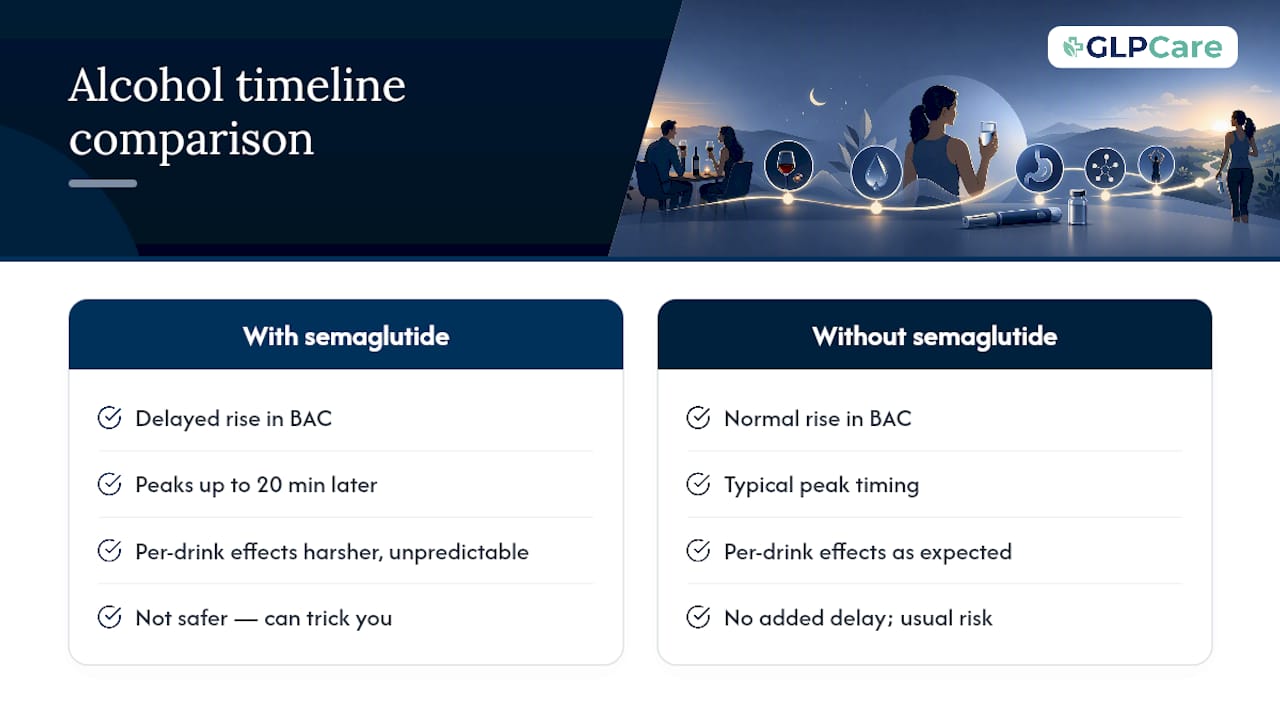
Semaglutide slows gastric emptying, which is part of how it curbs appetite. That same mechanism affects how fast alcohol enters your bloodstream. A pilot physiologic study found that people taking GLP-1 receptor agonists experienced a delayed rise in breath alcohol concentration, with peak levels lagging up to 20 minutes behind that of non-users.
That delay doesn’t make drinking safer. It just changes the timeline, which can trick you into thinking you’re handling a drink fine right before it catches up with you.
There’s also a craving side to this story. A randomized trial found semaglutide reduced both lab-measured alcohol self-administration and weekly craving scores in a short-term study. A separate cohort of over 14,000 telehealth weight-management patients found that among those who drank at baseline, 45.3% reported reduced alcohol use after starting an antiobesity medication.
That evidence is promising, not proof. Semaglutide isn’t an approved treatment for alcohol use disorder, and craving reduction varies widely person to person. What’s more consistent: because you’re eating less and your stomach empties slower, alcohol’s effects can land harder and less predictably per drink than what you’re used to.
How Can You Drink More Safely on Semaglutide?
If you and your prescriber agree an occasional drink is reasonable, treat it as a skill you’re relearning, not a habit you’re resuming.
- Count standard drinks. The NIAAA defines one standard drink as 14 grams of pure alcohol, roughly a 12 ounce beer, a 5 ounce glass of wine, or 1.5 ounces of liquor. Start with one and wait before considering a second.
- Eat first, always. Prioritize protein and a balanced snack before you drink. Never drink on an empty stomach while on semaglutide; delayed gastric emptying plus alcohol on an empty stomach is a fast path to nausea.
- Skip the carbonation, add water. Carbonated mixers can worsen GI discomfort. Alternate every alcoholic drink with a glass of water and plan to stop earlier than your pre-treatment habits.
- Hydrate before bed. Alcohol is dehydrating on its own; combined with GI side effects, that dehydration compounds overnight.
- Pull back during titration. If you’re increasing your dose or already dealing with nausea, skip alcohol that week entirely.
- Check glucose if you use insulin or a sulfonylrea. Test before drinking, again afterward if possible, and keep a fast-acting carbohydrate source on hand. Talk to your prescriber before you drink at all if you’re on either medication.
Pro Tip: Keep a simple drink log for the first few weeks after any dose change. Note what you drank, how much you ate beforehand, and how you felt the next morning. Patterns show up fast, and that log becomes useful information for your clinician.
A meal plan built around protein can also help you eat properly before you drink, which is worth building into your routine regardless of alcohol, as explained in our guide to choosing fat reduction treatment areas. Our GLP-1 meal plan guide walks through exactly that.
When Should You Avoid Alcohol Completely?
Some situations call for abstinence, not moderation. Consider skipping alcohol entirely if any of the following apply to you:
- You have active or recent pancreatitis. Talk to your care team before consuming any alcohol.
- Your diabetes is poorly controlled, or you’re on insulin or a sulfonylurea combined with semaglutide.
- You have a history of alcohol use disorder or a pattern of heavy drinking; this deserves dedicated medical and addiction support, not a moderation plan.
- You’re experiencing persistent vomiting, dehydration, fainting, or dizziness during dose titration. Alcohol will only intensify those symptoms.
If any of these describe your situation, this is a conversation for your prescriber before your next glass, not after.
What Should You Do If You Overdrink or Feel Off?
Symptoms can sneak up given the delayed absorption semaglutide causes. If you’ve had more than planned or start feeling unwell:
- Hydrate immediately and rest. Don’t try to push through nausea with food or more fluids than you can tolerate.
- Check your blood glucose if you use insulin or a sulfonylurea, even if you feel fine.
- Watch for severe abdominal pain, which can signal pancreatitis and needs urgent evaluation, not a wait-and-see approach.
- Note any signs of severe hypoglycemia: confusion, shaking, cold sweats, or loss of coordination.
Call your prescriber for guidance on new or escalating GI symptoms and glucose swings. Go to the emergency department for severe abdominal pain, loss of consciousness, or hypoglycemia that doesn’t respond to fast-acting carbohydrates. Our semaglutide drug interactions guide covers additional safety checks worth reviewing before you’re in that situation.
Why Supervised Care Changes the Alcohol Conversation
Most of the guidance around semaglutide and alcohol assumes you’re navigating it alone, checking labels, guessing at portion sizes, hoping you notice symptoms in time. That’s the gap I keep coming back to: the research is solid, but it wasn’t built for someone titrating their third dose increase while trying to figure out if last night’s second glass of wine explains this morning’s nausea.
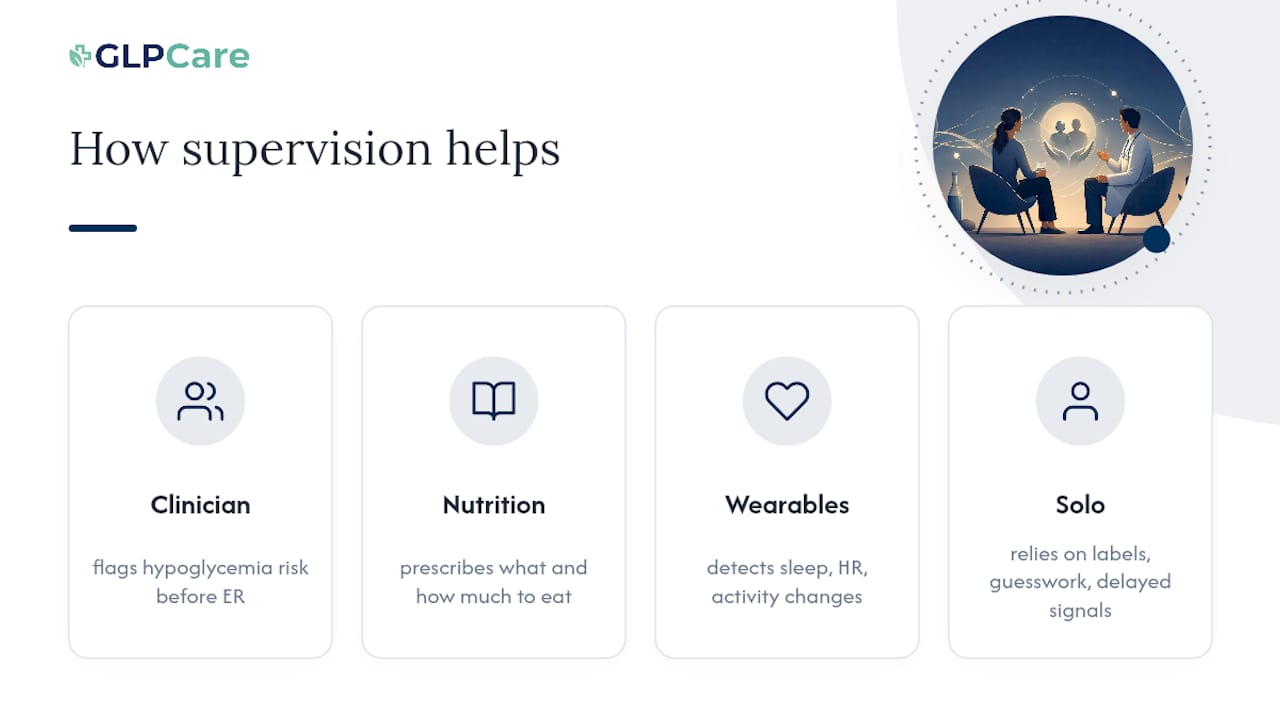
Clinician oversight closes that gap. When your prescriber knows your titration schedule and your drinking habits, they can flag a hypoglycemia risk before it becomes an emergency room visit, not after. Nutrition coaching matters here too. Eating before you drink is standard advice, but knowing what and how much, especially when appetite is already suppressed, requires more than a generic tip sheet.
Wearable data adds a layer most guidance skips entirely. Sleep disruption, resting heart rate changes, and activity dips can signal dehydration or GI distress before you’d otherwise notice. That’s the kind of pattern recognition that turns reactive care into preventive care. For more on how GLP-1 therapy performs over time, our evidence guide on GLP-1 therapy for weight loss covers what to expect beyond the alcohol question specifically.
— Dominique
Drink Smarter With Clinician Oversight Built In
Some telehealth programs offer semaglutide treatment combined with clinician-managed dosing, personalized nutrition coaching, and wearable devices that track sleep, heart rate, and activity to help identify patterns like dehydration or disrupted recovery early.
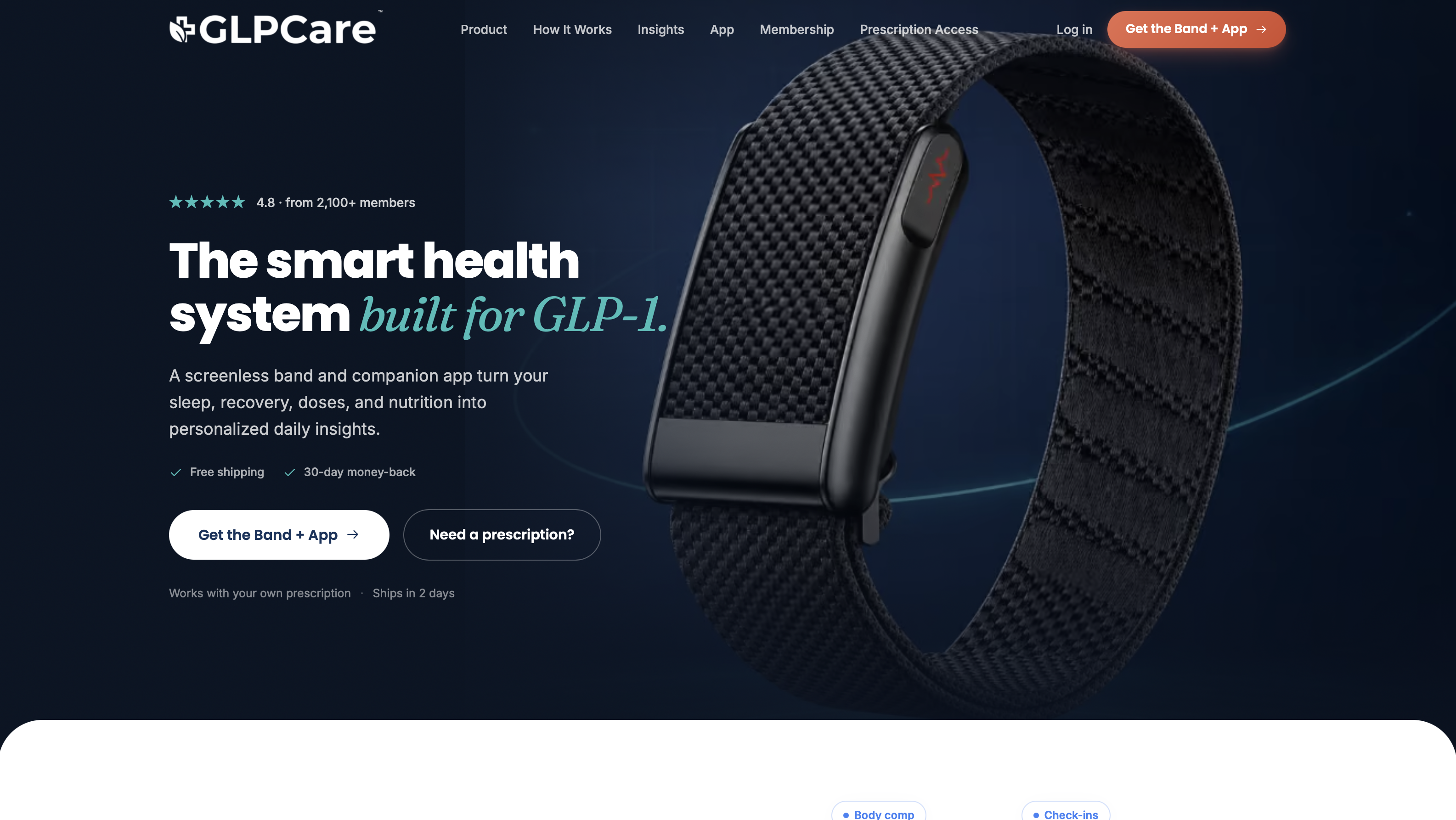
If you’re on insulin or a sulfonylurea, that oversight matters even more; your care team can help you build a hypoglycemia plan before you ever pour a drink. If you’re managing nausea during dose increases, your nutrition coach can adjust guidance around eating and hydration in real time, not through a generic FAQ page. Semaglutide Care starts at $209 a month, with clinician support built into every tier. If you’re weighing which plan fits your situation, compare Semaglutide Care and Tirzepatide Care or start with an assessment on the Glpcare membership page to see what tailored monitoring looks like for you.
This article is general information, not a substitute for advice from a qualified doctor. Consult a qualified healthcare professional about your own circumstances before acting on anything here.
Sources
- GLP-1 Drugs Like Ozempic and Alcohol: Potential Issues | WebMD
- Cohort study of antiobesity medication use and changes in alcohol use
- A preliminary study of the physiological and perceptual effects of GLP-1 receptor agonists during alcohol consumption | Scientific Reports
- Randomized clinical evidence for semaglutide reducing alcohol consumption (phase 2 evidence) | JAMA Psychiatry
FAQ
Can You Drink Alcohol on Semaglutide?
Yes, in most cases moderate drinking is not formally prohibited, but it can worsen nausea, affect blood sugar, and slow weight-loss progress, so check with your prescriber first.
Does Alcohol Reduce Semaglutide’s Effectiveness?
Alcohol doesn’t block semaglutide’s mechanism directly, but its calories can offset your deficit and its effect on appetite and blood sugar can complicate glycemic control.
Is Alcohol Riskier With Wegovy or Ozempic Specifically?
Both are semaglutide formulations and carry the same considerations: no formal contraindication, but overlapping GI side effects and hypoglycemia risk if combined with insulin or sulfonylureas.
Can Alcohol Cause Low Blood Sugar While on Semaglutide?
Yes, especially if you also take insulin or a sulfonylurea; alcohol impairs the liver’s ability to release glucose, and the risk can appear hours after drinking.
Does Glpcare Monitor Alcohol Use During Semaglutide Treatment?
Glpcare’s Semaglutide Care includes clinician oversight and nutrition coaching, and the GLP Care Band tracks sleep and activity patterns that can flag dehydration or recovery issues tied to drinking.