GLP-1 Coaching vs. Medication Only: Which Gets Better Results?
GLP-1 Coaching vs. Medication Only: Which Gets Better Results?

If you are choosing between a prescription alone and a prescription with coaching, the evidence points one way. The medication lowers appetite, and the daily habits around it (protein, strength work, sleep, side-effect management and the weeks after you stop) shape how much you lose and how much you keep. The leading U.S. nutrition and obesity societies say most people prescribed a GLP-1 are not getting that support. A connected program with clinician oversight, nutrition coaching and tracking, such as our GLPCare Membership, is built to close that gap.
Glpcareglpcare.orgPair GLP-1 Therapy With Daily SupportGLPCare brings clinician support, personalized nutrition coaching and wearable tracking together to help you manage weight with attention to health habits.VisitTL;DR
- GLP-1 medication works on appetite. Coaching works on what you eat, how you move and how you stay on track, and the FDA labels for these drugs already call for diet and activity alongside the injection.
- In studies of combined drug and lifestyle care, people who also had structured nutrition guidance lost more weight, stuck with treatment better and were more likely to keep weight off after stopping.
- Coaching matters most for protein intake, muscle preservation, side effects and the transition off medication.
- Choose a program with licensed clinician oversight, nutrition support and a way to see your dose, sleep, activity and meals in one place.
- Talk to a licensed clinician before starting any GLP-1 medication. Eligibility, dose and side-effect plans are medical decisions.
Table of Contents
- What “medication only” actually means
- What coaching adds
- What the evidence says about combining the two
- Side by side: medication only vs. medication with coaching
- Where coaching makes the biggest difference
- How the landscape has changed
- What to look for in a GLP-1 program
- A worked example
- Our perspective
- How GLPCare puts coaching and medication together
- FAQ
- Sources
What “medication only” actually means
Medication only means you receive the prescription and take it, with little or no structured help beyond that. For many people, that is what a first appointment looks like: a prescription, a dosing schedule and a follow-up weeks later.
The drug itself is not designed to be used that way. The FDA prescribing information for Zepbound (tirzepatide) describes a once-weekly injection under the skin, started at 2.5 mg and raised in 2.5 mg steps toward a 5, 10 or 15 mg maintenance dose. It says the medicine is used together with a reduced-calorie diet and increased physical activity. In the trials behind that label, participants also received lifestyle instruction: a daily calorie deficit of about 500 kcal, at least 150 minutes of weekly activity and behavior counseling.
So even the label treats the shot as one part of a plan. The question is who helps you carry out the rest of it.
What coaching adds
GLP-1 coaching is regular, personalized guidance on the parts of treatment the drug does not do for you. A registered dietitian-led model described in the Journal of the Academy of Nutrition and Dietetics, and summarized in the FDA label record above, points to several jobs:
- Staying on treatment. Support with dosing routines and with the weeks when appetite, nausea or motivation dip.
- Managing side effects. Practical changes to meal size, timing and food choices when the stomach protests.
- Eating enough of the right things. A shift from simply eating less to eating nutrient-dense food, so protein, fiber and micronutrients do not fall short.
- Building habits for the long term. Routines for movement, sleep and self-monitoring that outlast the prescription.
The same source notes that two brief counseling visits in the first month on self-monitoring were found helpful. Early support matters because the first weeks are when dose changes, new side effects and new eating patterns all arrive together.
What the evidence says about combining the two
The Obesity Society published a joint advisory from four U.S. professional societies in May 2025. It reports that in studies combining medication and lifestyle care, patients receiving GLP-1 therapy plus structured nutrition guidance achieved greater weight loss, adhered better and were more likely to sustain weight loss after discontinuing medication, compared with medication alone. The same page states that most people prescribed GLP-1s do not currently receive adequate nutritional counseling or behavioral support.
The advisory’s lead author, Dr. Dariush Mozaffarian of Tufts University, describes the challenges these drugs can bring: gastrointestinal side effects, risk of micronutrient deficiencies, muscle and bone loss, poor long-term adherence and weight regain. He says that on their own they are not enough, and calls nutrition therapy and lifestyle support essential to maximize and maintain health gains.

That is why the comparison is less “coaching or medication” and more “medication, and how well supported.” The people who wrote the guidance put the two together.
Side by side: medication only vs. medication with coaching
| What matters to you | Medication only | Medication with coaching |
|---|---|---|
| Appetite and cravings | Addressed by the drug | Addressed by the drug, plus meal structure for when appetite returns |
| Protein and nutrient intake | Up to you to figure out | Personalized targets and food ideas |
| Muscle preservation | Often not discussed | Protein and strength-training guidance built in |
| Side effects | You manage them between visits | A plan for adjusting meals, and a clinician to contact |
| Staying on schedule | Self-directed | Regular check-ins and tracking |
| Life after medication | Frequently unplanned | Habits practiced for months beforehand |
| Convenience | Fewer touchpoints | One connected place for dose, meals and progress |
The left column is simple, and for some people simple is attractive. The right column is what the professional societies describe as the standard worth aiming for.
Where coaching makes the biggest difference
Protein and muscle
When you eat much less, your body can lose muscle along with fat. Muscle matters for strength, metabolism and how you look and feel at a lower weight. The practical defenses are eating enough protein across the day and doing resistance training each week. Our guides on how to prevent muscle loss on GLP-1 medications and on strength training on GLP-1 go through the routines in detail.
Protein is hardest when appetite is low. Starting the day with a protein-forward meal makes the target easier to reach. A high-protein, low-carb breakfast is one practical place to start, and our protein-first GLP-1 meal plan covers the rest of the day.
Side effects
Nausea, constipation and other digestive symptoms are the most common reasons people struggle with these medicines. The FDA’s February 2026 safety labeling update for Zepbound addresses severe gastrointestinal reactions, which occurred in 1.7% of people on 5 mg, 2.5% on 10 mg and 3.1% on 15 mg, versus 1% on placebo in pooled weight-reduction trials. Most people never reach that level, but it is the reason a clinician should know how you are feeling, not only what dose you are on.

If you have severe or persistent vomiting, abdominal pain or signs of dehydration, contact your prescriber promptly. For everyday queasiness and low appetite, meal-size and food-choice adjustments often help, and we cover them in our guide to appetite loss on GLP-1s.
Keeping the weight off
Weight regain after stopping is the worry most people raise once the scale starts moving. The joint advisory’s finding that people who had structured nutrition guidance were more likely to sustain loss after discontinuing medication is the strongest argument for building habits while you are still on treatment. Our article on weight regain after GLP-1 explains what to expect and how to limit it.
Consistency
The hardest part of any plan is week twelve, not week one. Check-ins, a record of your doses and a view of your sleep, activity and meals make it easier to see what is working and to adjust before a rough patch becomes a stopping point.
How the landscape has changed
GLP-1 care is not what it was a few years ago. A Colorado legislative report on the evidence notes that the FDA approved Wegovy for weight management in 2021, added a cardiovascular-risk indication in 2024 and approved a pill form in December 2025. Zepbound was approved for weight management in 2023 and for moderate-to-severe obstructive sleep apnea in 2024. As more people start treatment, the gap between getting a prescription and getting real guidance has become the main difference between programs.
What to look for in a GLP-1 program
Use these questions to compare any option:
- Is a licensed clinician overseeing your medication? Dose changes and side-effect decisions should have a clinician behind them.
- Is nutrition coaching personalized? Generic meal charts do not account for your appetite, schedule or food preferences.
- Is muscle protection part of the plan? Look for protein targets and strength-training guidance, not only a weight number.
- Can you see your data in one place? Dose, meals, sleep, heart rate and activity tell a clearer story together than apart.
- Is there a plan for after medication? The program should talk about maintenance from the start.
- Are the costs clear? Know what the monthly price includes before you sign up.
A program that checks all six gives you the combined approach the evidence describes. A prescription-only service typically covers the first item only.
A worked example
Take a busy professional on a weekly injection who is eating about half of what she used to. Her appetite is low, so lunch becomes a coffee and a snack, and dinner is whatever is easy. The scale moves, but she feels tired and her workouts get harder.
With coaching, the same person gets a daily protein target, three or four simple meals that fit her schedule, a short strength routine twice a week and a clinician she can message about nausea. The medication is the same. What changes is that the weight she loses is more likely to be fat rather than muscle, and she has habits in place when the dose eventually changes or stops. This is an illustration of the approach, not a promised result: outcomes vary from person to person.
Our perspective
We built GLPCare around a simple belief: a prescription is where treatment starts, not where it ends.
When you start a GLP-1, the medication quiets hunger. What you do with that quieter appetite is where results are decided: whether you reach your protein, whether you keep your strength, whether you know what to do when nausea hits, and whether you have routines you can keep when the dose changes.
That is why our system keeps clinician oversight of your medication mandatory, pairs it with personalized nutrition coaching, and uses a screenless wearable band to bring sleep, heart rate and activity together with the dose and meals you log. Our AI companion turns that data into actionable guidance, so each check-in starts from a clearer picture of your week.
We want you to be a person with a plan, not a number on a chart. Our program is designed so that the support you need is already there when you need it.
Dominique
How GLPCare puts coaching and medication together
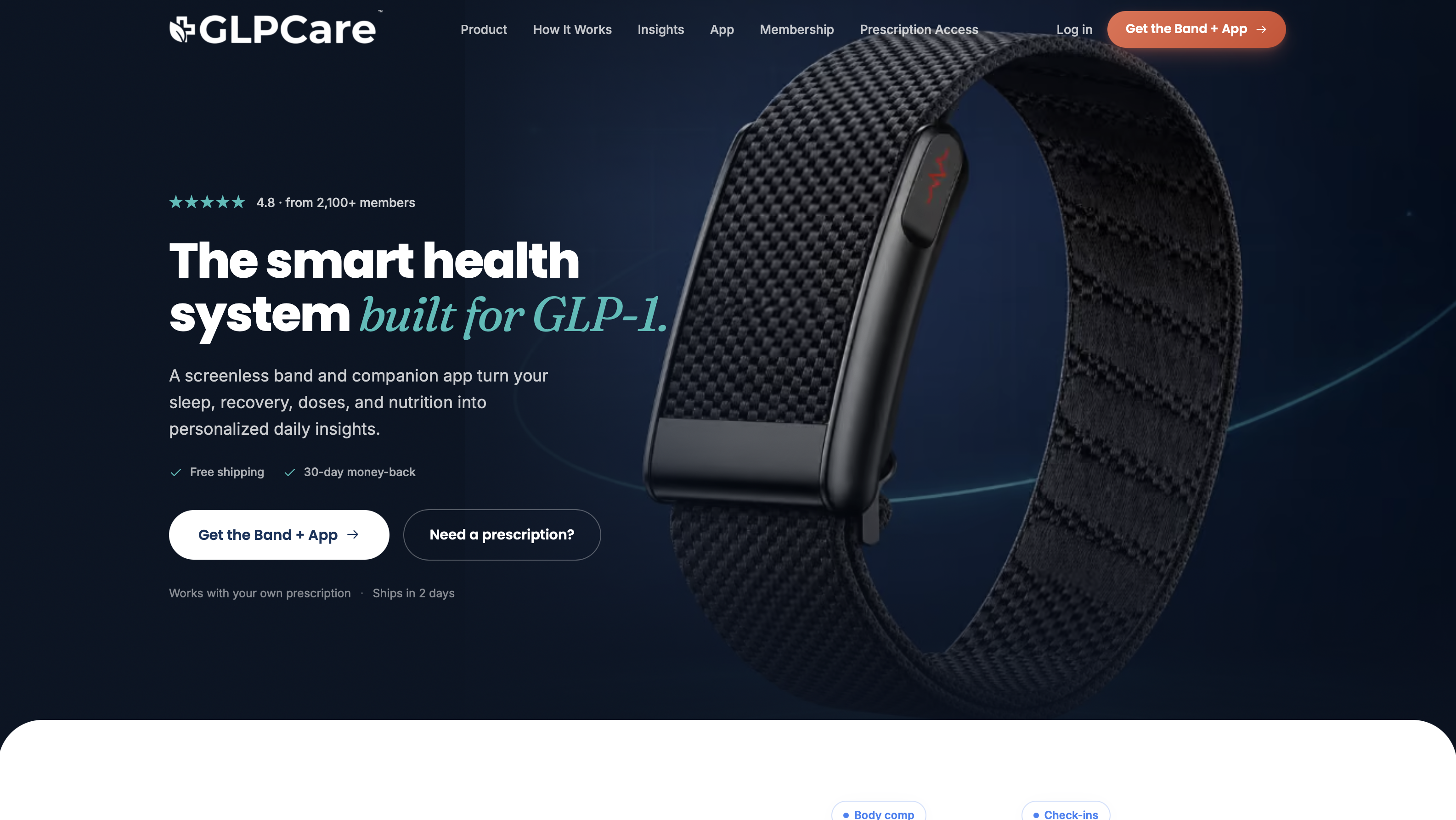
Our system is built for people who want the full picture rather than a prescription alone. It includes prescription GLP-1 medication (such as semaglutide or tirzepatide) shipped to your home, personalized nutrition coaching, our wearable band, an AI-driven app for dose tracking and personalized insights, and ongoing clinician support. Plans are available whether or not you already have a GLP-1 prescription.
Published pricing, read from our site in September 2026:
- GLPCare Membership: $199 per year
- Semaglutide Care: from $209 per month
- Tirzepatide Care: from $299 per month
We back our program with a guaranteed-results-or-money-back promise. You can see how the plans compare on our compare page, or start with the GLP-1 readiness quiz to see whether you may qualify. If you want to read more first, our GLP-1 therapy evidence guide and weight loss timeline explain what the first months look like.
FAQ
Is coaching necessary if I’m already taking a GLP-1?
The FDA labeling for these medicines calls for use with a reduced-calorie diet and increased physical activity, so you need some form of nutrition and activity plan either way. Coaching is the structured way to get one. The Obesity Society’s 2025 advisory reports that people who also had structured nutrition guidance lost more weight and adhered better than those on medication alone.
Does coaching help me keep weight off after I stop?
The same advisory reports that patients who combined GLP-1 therapy with structured nutrition guidance were more likely to sustain weight loss after discontinuing medication. Building protein, meal and strength habits while you are on treatment is how that benefit is created. See our guide on GLP-1 vs. diet for how the two approaches compare.
Can coaching reduce muscle loss on a GLP-1?
Coaching can help you set a daily protein target and follow a regular strength routine, which are the main tools for protecting muscle during weight loss. Our article on 60 to 90 minutes of weekly strength training shows what that can look like. Check with your clinician before beginning a new exercise program.
Do I need a clinician even if I have coaching?
Yes. Dosing, eligibility and side-effect decisions belong with a licensed clinician. In our system, clinician oversight of your medication is mandatory, and coaching works alongside it.
Sources
- FDA prescribing information for Zepbound (DailyMed)
- The Obesity Society: Nutritional Priorities to Support GLP-1 Therapy for Obesity
- FDA Drug Safety-related Labeling Changes: Zepbound
- Colorado General Assembly: Navigating the GLP-1 Landscape