GLP-1 Drugs for Weight Loss: Reviews and Results 2026
GLP-1 Drugs for Weight Loss: Reviews and Results 2026
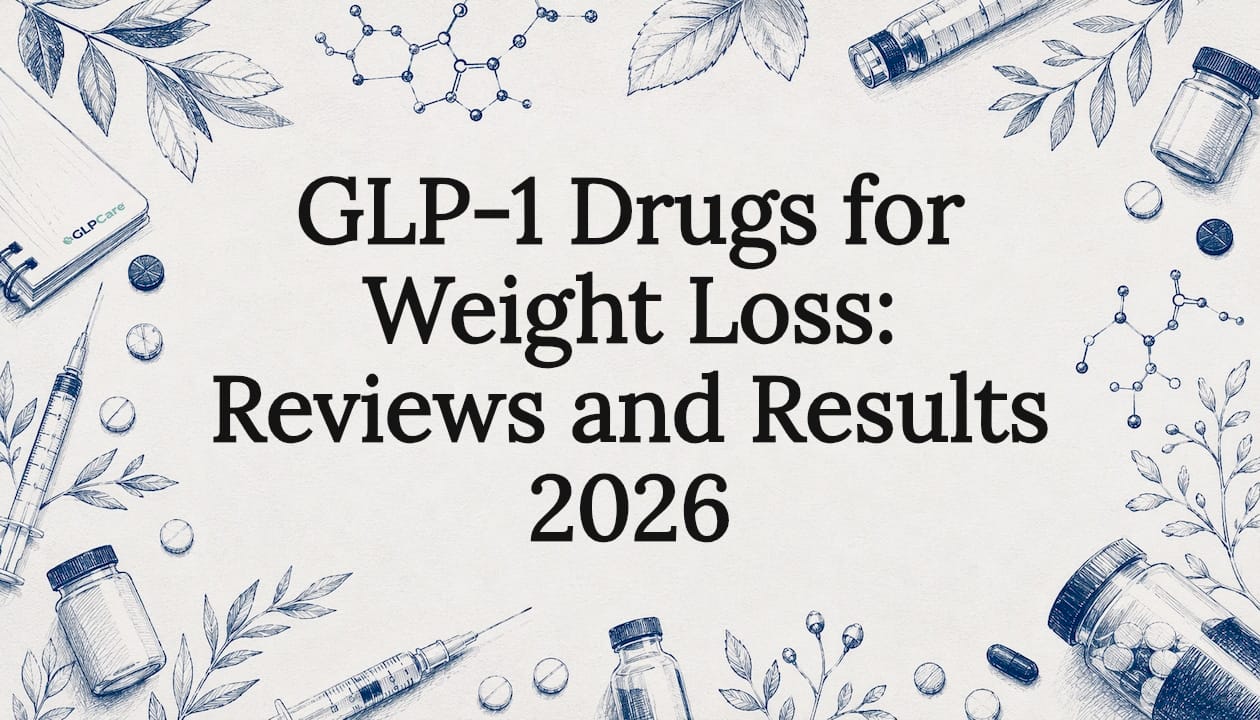
Tirzepatide produces the largest average weight loss of any approved GLP-1 receptor agonist, reaching up to 22.5% body weight over 72 weeks in pivotal trials. Semaglutide is the next most effective option; Wegovy delivers a substantial body-weight loss over the duration of the STEP trials. Both outperform liraglutide (Saxenda), which produces more moderate weight loss in comparable populations. If you’re weighing your options, these are the two molecules your clinician conversation should center on.
- Typical trial weight-loss ranges: Tirzepatide shows the greatest weight loss in trials; semaglutide injectable produces notable reductions; oral semaglutide yields somewhat less; liraglutide results in more modest weight loss (varied trial durations).
- Top immediate risks and next step: Nausea, vomiting, and diarrhea affect most patients during dose escalation. Rare but serious signals include pancreatitis, gallbladder disease, and a thyroid C-cell tumor warning that contraindicates use in anyone with a personal or family history of medullary thyroid carcinoma (MTC) or MEN2. Before starting, schedule a clinician consult, get baseline labs (metabolic panel, thyroid, lipids), and run an insurance prior-authorization check.
Glpcare offers an integrated program that pairs prescription GLP-1 access with clinician-led titration, personalized nutrition coaching, and a wearable band for continuous biometric tracking, so you have support at every stage, not just a prescription.
Table of Contents
- What do clinical trials actually show about GLP-1 efficacy?
- Drug-by-drug reviews: which GLP-1 is right for you?
- What are the side effects and serious risks of GLP-1 drugs?
- How are GLP-1s given, and what should you expect week by week?
- What does GLP-1 therapy actually cost, and how do you get access?
- What does real-world data say about staying on GLP-1s?
- Who is a good candidate for GLP-1 therapy, and who should avoid it?
- How do you choose between GLP-1 options and what should you ask your clinician?
- How does integrated care change your GLP-1 outcomes?
- Key Takeaways
- The case for treating GLP-1s as a system, not a shortcut
- Glpcare brings prescription access and clinical support together
- FAQ
- Sources and further reading
What do clinical trials actually show about GLP-1 efficacy?
The evidence base for GLP-1 receptor agonists is unusually strong. Multiple large randomized controlled trials, systematic reviews, and a growing body of meta-analyses published on PubMed/PMC confirm that these drugs produce clinically meaningful weight loss well beyond what diet and exercise alone typically achieve in structured trials.
Tirzepatide set the current benchmark. The SURMOUNT-1 trial enrolled adults with obesity and no diabetes; participants on the 15 mg dose lost an average of 22.5% of body weight over 72 weeks. That figure is roughly double what semaglutide produced in its own pivotal program. A 2025 head-to-head trial confirmed the advantage directly: tirzepatide at 10 or 15 mg produced significantly greater weight reduction than semaglutide at 1.7 or 2.4 mg over the same 72-week window.

Semaglutide (Wegovy, 2.4 mg weekly injectable) produced an average of about 15% body-weight loss in the STEP-1 trial over 68 weeks, with label-confirmed evidence of greater fat-mass loss than lean-mass loss. The cardiovascular benefit data from SELECT (a large outcomes trial) added a meaningful secondary reason to consider it for patients with existing heart disease.
Liraglutide (Saxenda, 3 mg daily injectable) was the first GLP-1 approved specifically for weight management. Its SCALE trials showed roughly 5–8% body-weight loss over 56 weeks. It remains an option for patients who cannot tolerate weekly injections or who have specific clinical reasons to avoid the newer agents.
Weight loss with all three drugs tends to plateau around months 4–8 before stabilizing. Most of the total loss occurs in the first 20–24 weeks, with slower progress continuing through the full trial duration.
| Drug | Pivotal Trial | Duration | Avg. Body-Weight Loss | Primary Endpoint |
|---|---|---|---|---|
| Tirzepatide 15 mg | SURMOUNT-1 | 72 weeks | ~22.5% | ≥5% weight reduction |
| Semaglutide 2.4 mg (injectable) | STEP-1 | 68 weeks | ~15% | ≥5% weight reduction |
| Oral semaglutide 25 mg | OASIS-1 | 71 weeks | ~13.6% | ≥5% weight reduction |
| Liraglutide 3 mg | SCALE Obesity | 56 weeks | ~5–8% | ≥5% weight reduction |
One important caveat: trial populations are carefully selected, with structured lifestyle counseling built in. Real-world outcomes tend to run lower, which is why the gap between trial data and routine care matters when you’re setting expectations with your clinician.
Drug-by-drug reviews: which GLP-1 is right for you?
Tirzepatide (Zepbound, Mounjaro)
Tirzepatide is a dual GIP/GLP-1 receptor agonist, meaning it activates two appetite-regulating pathways instead of one. That dual mechanism is the likely reason it outperforms single-agonist drugs in head-to-head comparisons. Zepbound is the FDA-approved weight-management brand; Mounjaro carries the type 2 diabetes indication. In practice, insurers often cover Mounjaro for diabetes but require prior authorization for Zepbound for obesity, which creates access friction for patients without a diabetes diagnosis.
- Efficacy: Up to 22.5% body-weight loss at 72 weeks (15 mg dose, SURMOUNT-1)
- Dosing: Weekly subcutaneous injection; titration from 2.5 mg up to 5, 10, or 15 mg over several months
- Side effects: Nausea, vomiting, diarrhea, constipation (most common during escalation); injection-site reactions
- Patient ratings: Drugs.com aggregated data shows Zepbound at 8.7/10 and Mounjaro at 8.4/10
- Cost note: Without insurance, monthly costs can exceed $1,000; manufacturer savings programs and telehealth subscription models can reduce this significantly
For patients prioritizing maximum weight loss and who can tolerate weekly injections, tirzepatide is the current clinical leader. Pairing it with B12 supplementation guidance and nutrition coaching helps manage the muscle-loss risk that comes with rapid weight reduction.
Semaglutide (Wegovy, Ozempic, Rybelsus)
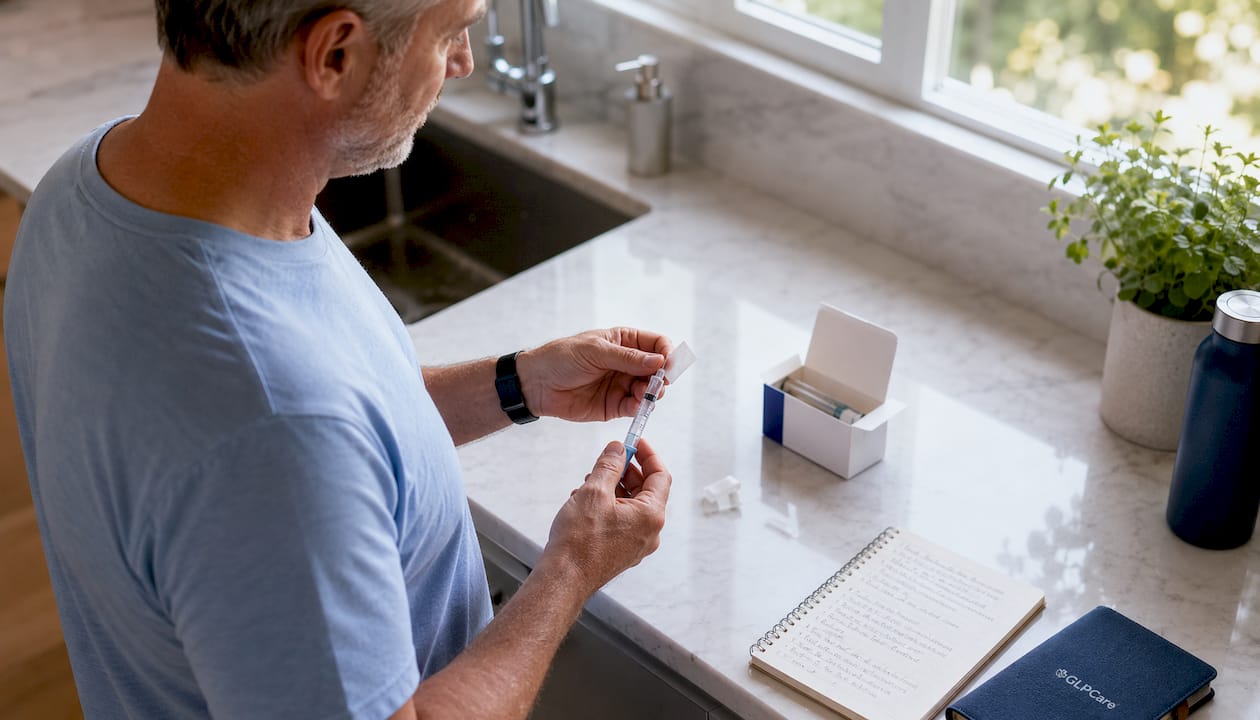
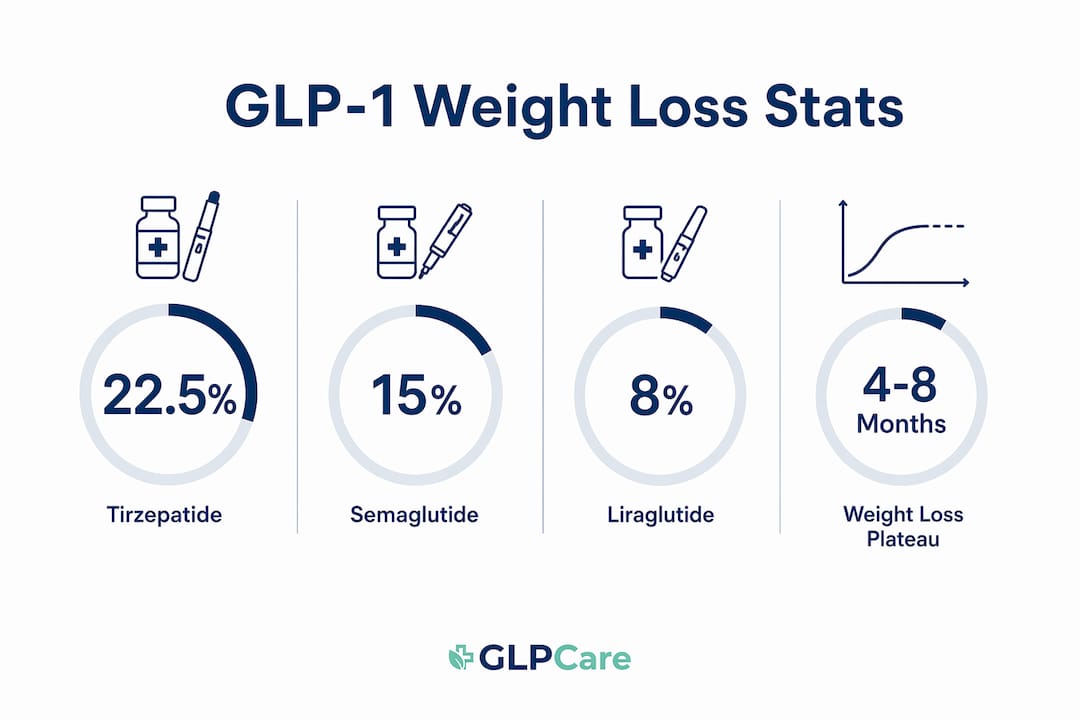
Semaglutide is the most studied GLP-1 for weight loss and comes in three distinct forms: Wegovy (weekly injectable, obesity indication), Ozempic (weekly injectable, diabetes indication), and Rybelsus (daily oral tablet, diabetes indication). Oral Wegovy at 25 mg is now FDA-approved for weight management, producing substantial body-weight loss over the treatment period.
The injectable form has a modest efficacy edge over the oral formulation, but the pill appeals to patients with needle aversion. Oral semaglutide must be taken on an empty stomach with no more than 4 oz of water, at least 30 minutes before eating or drinking anything else. That strict timing requirement is a real-world adherence challenge many patients underestimate.
- Efficacy: Injectable Wegovy delivers significant weight loss over 68 weeks; oral Wegovy 25 mg also produces meaningful reductions over a similar duration.
- Dosing: Injectable: weekly, titrated from 0.25 mg to 2.4 mg over ~20 weeks; Oral: daily, titrated from 3 mg to 25 mg
- Contraindication: Personal or family history of MTC or MEN2 (thyroid C-cell tumor signal on label)
- Patient ratings: Wegovy 7.4/10, Ozempic 6.7/10 on Drugs.com
- Practical note: Oral semaglutide can alter the absorption of other oral medications, including oral contraceptives during vomiting episodes
Ozempic is widely prescribed off-label for weight loss, which contributes to supply shortages and the lower patient-satisfaction ratings compared to Wegovy.
Patients using Ozempic for weight loss often have different expectations than those on the obesity-indicated Wegovy, and expectation alignment is one of the strongest predictors of persistence.
Liraglutide (Saxenda)
Saxenda was the first GLP-1 approved for chronic weight management in adults, and it still has a role for specific patients. Its main drawback is the daily injection schedule, which many patients find harder to maintain than a weekly shot. Efficacy results in more modest weight loss compared to tirzepatide and semaglutide.
- Dosing: Daily subcutaneous injection; titrated from 0.6 mg up to 3 mg over five weeks
- Best fit: Patients who need a daily-dosing structure for adherence reasons, or those with clinical reasons to avoid newer agents
- Cost: Generally lower list price than tirzepatide or semaglutide, though still significant without coverage
Other GLP-1s to know
Dulaglutide (Trulicity) and exenatide (Byetta, Bydureon) are GLP-1 agonists approved for type 2 diabetes but not for primary weight management. They produce modest weight reduction as a secondary effect but are not typically prescribed with weight loss as the primary goal.
Orforglipron (Foundayo) is a newer oral small-molecule GLP-1 receptor agonist that does not require the strict fasting protocol of oral semaglutide. Early trials showed roughly 12% weight loss at certain doses over approximately 72 weeks. It does not carry the same thyroid C-cell signal as peptide-based GLP-1s, which may make it an option for patients with relative contraindications to the peptide agents. As of 2026, it is newly approved and access is still expanding.
What are the side effects and serious risks of GLP-1 drugs?
Gastrointestinal effects are by far the most common adverse reactions across all GLP-1 receptor agonists. They tend to peak during the titration phase and often improve once you reach a stable dose.
Most common side effects:
- Nausea (affects the majority of patients during escalation)
- Vomiting
- Diarrhea
- Constipation
- Acid reflux or heartburn
- Injection-site reactions (redness, bruising, nodules)
These effects are rarely dangerous on their own, but persistent vomiting can lead to dehydration and, in some cases, acute kidney injury from volume depletion. Eating smaller, lower-fat meals and slowing the titration schedule are the two most effective ways to manage GI symptoms.
Rare but serious risks:
- Pancreatitis: Acute pancreatitis has been reported; severe or persistent abdominal pain radiating to the back is a red flag that requires stopping the medication and seeking urgent care
- Gallbladder disease: Rapid weight loss increases gallstone risk; cholecystitis has been reported in trials
- Acute kidney injury: Usually secondary to dehydration from vomiting or diarrhea
- Thyroid C-cell tumor signal: Rodent studies showed thyroid C-cell tumors with GLP-1 agonists; the clinical relevance in humans is uncertain, but the FDA label carries a boxed warning. Anyone with a personal or family history of medullary thyroid carcinoma or Multiple Endocrine Neoplasia type 2 (MEN2) must not use these drugs
Red flags requiring urgent contact with your clinician: severe abdominal pain, signs of dehydration (dark urine, dizziness, inability to keep fluids down), yellowing of the skin or eyes, or any new neck mass or difficulty swallowing.
The Wegovy prescribing label and Yale Medicine’s clinical overview both confirm that GI symptoms are the primary driver of early discontinuation in trials. In the STEP and SURMOUNT programs, nausea affected roughly 40–50% of participants at some point during titration, though most cases were mild to moderate and resolved with dose stabilization.
How are GLP-1s given, and what should you expect week by week?
Injectable vs. oral formulations
Weekly subcutaneous injections (tirzepatide, injectable semaglutide, liraglutide) are the dominant delivery method and generally produce the strongest results per dose. Oral semaglutide requires strict fasting conditions and higher doses to achieve comparable absorption. Orforglipron, the newer oral option, does not require fasting and may close some of that gap.
Typical titration path (numbered steps)
- Weeks 1–4: Start at the lowest available dose (e.g., 2.5 mg tirzepatide or 0.25 mg semaglutide). Expect mild nausea, especially after meals. Weight change is minimal at this stage.
- Weeks 5–8: First dose increase. GI symptoms may intensify briefly, then settle. Appetite suppression becomes noticeable; most patients report eating less without deliberate restriction.
- Months 2–4: Continue escalating per your clinician’s schedule. Meaningful weight loss typically begins here, often 1–2% of body weight per month. Energy levels and sleep quality often improve alongside weight changes.
- Months 4–6: Approach or reach the target maintenance dose. Weight loss rate may slow. This is the most common point for plateaus and also when some patients consider stopping.
- Months 6–18+: Maintenance phase. Weight loss continues more slowly or stabilizes. Long-term adherence, nutrition support, and activity tracking become the primary drivers of continued progress.
Monitoring during treatment
Routine monitoring should include:
- Baseline labs before starting: metabolic panel, HbA1c, lipid panel, thyroid function, kidney function
- Follow-up visits every 4–8 weeks during titration, then every 3 months at maintenance
- Weight and blood pressure at each visit
- Gallbladder symptoms (right upper quadrant pain, especially after fatty meals)
- Renal function if persistent GI symptoms cause dehydration
Pro Tip: Ask your clinician to slow the titration schedule if GI symptoms are affecting your daily life. There is no clinical requirement to escalate on the fastest possible schedule, and a slower ramp-up significantly improves tolerability and long-term persistence.
Tracking your symptoms, doses, and biometric trends with a dedicated tool, like the GLP-1 tracker guide, gives your clinician a clearer picture at every visit.*
What does GLP-1 therapy actually cost, and how do you get access?
Cost is the single largest barrier to GLP-1 therapy in the United States. Without insurance coverage, monthly out-of-pocket costs for brand-name tirzepatide or semaglutide typically run $900–$1,300 per month at retail pharmacy prices. That figure makes long-term use financially unsustainable for many patients without a coverage strategy.
Insurance and prior authorization:
- Wegovy and Zepbound carry obesity indications, but many commercial insurers and Medicare Part D plans still exclude weight-loss drugs from formularies
- Ozempic and Mounjaro (diabetes indications) are more widely covered, but using them off-label for weight loss often triggers prior-authorization denials
- Medicaid coverage varies by state; most states do not cover GLP-1s for obesity as of 2026
- Prior authorization typically requires documentation of BMI, comorbidities, and a record of prior weight-loss attempts
Practical ways to reduce cost:
- Manufacturer savings programs: Eli Lilly (tirzepatide) and Novo Nordisk (semaglutide) offer savings cards that can reduce monthly costs for commercially insured patients; eligibility requirements apply
- Telehealth subscription models: Programs like Glpcare bundle clinician oversight, titration support, and medication access into a monthly subscription, which can be more predictable than retail pharmacy pricing
- Compounded semaglutide/tirzepatide: Available through some telehealth platforms during shortage periods, though FDA has signaled tightening restrictions on compounded versions as brand supply stabilizes
- Patient assistance programs: Both manufacturers offer programs for uninsured patients who meet income criteria
Access note: Real-world discontinuation data shows 46–65% of patients stop GLP-1 therapy within 12 months, and cost is consistently cited as a primary driver. Building a sustainable cost plan before you start is as important as choosing the right drug.
For a detailed comparison of access options, the most affordable GLP-1 providers guide covers current pricing structures and what to look for in a telehealth program.
What does real-world data say about staying on GLP-1s?
Clinical trials paint an optimistic picture. Real-world data is more complicated. Observational studies consistently show that 46–65% of patients stop GLP-1 therapy within the first 12 months. The main drivers are cost, persistent GI side effects, and a mismatch between expected and actual results.
Patients who expected rapid or dramatic weight loss and encountered a plateau at months 4–8 are among the most likely to discontinue early. Aggregated patient reviews highlight this pattern clearly: cost complaints, plateau frustration, and reports of regaining a large portion of lost weight after stopping are the three most common themes in patient-reported experiences.
What happens when you stop?
Weight regain is the norm, not the exception. Most patients regain a significant portion of lost weight within 12 months of stopping, and the metabolic benefits (improved blood sugar, blood pressure, lipid levels) tend to fade alongside the weight loss. Mayo Clinic’s obesity treatment guidance frames GLP-1s as chronic management tools, not short-term interventions, for exactly this reason.
What improves persistence?
- Clinician-led titration that adjusts doses based on individual tolerance rather than a fixed schedule
- Nutrition coaching that reduces GI symptoms and preserves lean mass during weight loss
- Continuous biometric tracking (weight trends, activity, sleep) that gives patients and clinicians early warning of plateaus or side-effect patterns
- Realistic expectation-setting before starting, including an honest discussion of the long-term commitment involved
Integrated support matters. Consensus guidance from leading centers consistently highlights that GLP-1s work best when paired with behavioral and nutritional support. The drug suppresses appetite; the lifestyle structure determines what you do with that suppression.
Who is a good candidate for GLP-1 therapy, and who should avoid it?
Candidate checklist
You are likely a reasonable candidate to discuss GLP-1 therapy with your clinician if:
- Your BMI is 30 or higher (obesity), or 27 or higher with at least one weight-related comorbidity (type 2 diabetes, hypertension, dyslipidemia, obstructive sleep apnea, or cardiovascular disease)
- You have tried structured lifestyle changes without achieving or maintaining clinically meaningful weight loss
- You do not have absolute contraindications (see below)
- You can commit to ongoing monitoring and follow-up
- You have a realistic plan for managing cost over 12+ months
Patients with type 2 diabetes may have an easier path to insurance coverage through the diabetes-indicated brands (Ozempic, Mounjaro) while also benefiting from the weight-loss effect. For patients considering bariatric surgery, GLP-1 therapy is sometimes used as a bridge to reduce surgical risk or as an alternative for those who prefer to avoid surgery.
Absolute contraindications
- Personal or family history of medullary thyroid carcinoma (MTC) or Multiple Endocrine Neoplasia type 2 (MEN2)
- Pregnancy (these drugs are not approved for use during pregnancy; effective contraception is required, and note that vomiting can reduce oral contraceptive absorption)
- Pediatric use: Wegovy is approved for adolescents aged 12 and older; Zepbound’s label covers adults; check current FDA labeling for the specific drug
Relative cautions
- Older adults: GLP-1s can accelerate muscle loss in patients with already-low lean mass; nutrition and resistance exercise support are especially important
- History of pancreatitis: Use with caution; discuss risk-benefit carefully with your clinician
- Gallbladder disease: Prior cholecystitis or gallstones increases the risk of recurrence with rapid weight loss
- Patients on multiple oral medications: Oral GLP-1 formulations and vomiting from any GLP-1 can alter absorption of other drugs; review your full medication list with your prescriber
How do you choose between GLP-1 options and what should you ask your clinician?
The right GLP-1 for you depends on four factors: how much weight loss you need, your tolerance for injections, your insurance situation, and any comorbidities that might favor one drug over another.
Decision criteria by priority:
- Maximum efficacy: Tirzepatide, then semaglutide injectable, then oral semaglutide, then liraglutide
- Injection aversion: Oral semaglutide (Wegovy) or orforglipron (Foundayo) are the current pill options
- Cost and coverage: Diabetes-indicated brands (Mounjaro, Ozempic) are more widely covered; obesity-indicated brands (Zepbound, Wegovy) require prior authorization in most plans
- Comorbidity profile: Semaglutide has the strongest cardiovascular outcomes data (SELECT trial); tirzepatide has additional metabolic benefits from its dual mechanism; liraglutide has the longest real-world safety record
Questions to bring to your clinician
- Based on my BMI, comorbidities, and health history, which GLP-1 drug do you recommend, and what average weight loss should I realistically expect?
- What titration schedule will you use, and how will we adjust it if I have significant side effects?
- Which labs do you want at baseline, and how often will you check them during treatment?
- What happens if I plateau at months 4–6 — do we increase the dose, switch drugs, or add another intervention?
- How long do you expect me to stay on this medication, and what is the plan if I need to stop?
- What is the process for prior authorization with my insurance, and what documentation do you need from me?
- Are there nutrition or exercise programs you recommend alongside the medication to preserve muscle mass?
Red-flag questions that should trigger extra caution:
- Do you or any first-degree relatives have a history of medullary thyroid cancer or MEN2? (Absolute contraindication — disclose before any prescription is written)
- Are you pregnant, planning to become pregnant, or using oral contraceptives? (Requires specific counseling)
- Do you have a history of pancreatitis or active gallbladder disease? (Requires risk-benefit discussion)
How does integrated care change your GLP-1 outcomes?
The gap between trial efficacy and real-world results is not a mystery. Trial participants receive structured lifestyle support, regular monitoring, and consistent clinical contact. Most real-world patients get a prescription and a follow-up appointment in three months. That gap in support is where outcomes diverge.
Glpcare is built around closing that gap. The program pairs prescription GLP-1 access with clinician-led titration, personalized nutrition coaching, and a proprietary wearable fitness band that tracks sleep, heart rate, and activity levels in real time. An AI companion app lets you log doses, meals, and symptoms between visits, so your clinician has a continuous data stream rather than a snapshot every few months.
Why this structure matters clinically:
- Clinician-led titration means your dose escalation is based on your actual tolerance, not a fixed calendar. Patients who titrate more slowly have better GI tolerability and lower early discontinuation rates
- Nutrition coaching addresses the muscle-loss risk that comes with rapid weight reduction. Preserving lean mass during GLP-1 therapy requires deliberate protein intake and resistance activity, not just appetite suppression
- Continuous biometric tracking through the wearable band catches early warning signs (rising resting heart rate, poor sleep quality, activity drops) that often precede plateaus or side-effect escalation
- The AI companion provides personalized daily insights, so you are not waiting for a quarterly visit to get guidance on what your data means
Mayo Clinic’s clinical guidance and broader consensus from obesity medicine specialists consistently support this model: GLP-1 therapy works best as part of a structured, monitored program, not as a standalone prescription. Glpcare’s approach is designed around that evidence.
Note: Glpcare’s clinical outcomes data and individual case results are available through the program’s clinical team. This article reflects published clinical trial evidence and general program design; individual results will vary.
Key Takeaways
Tirzepatide leads all approved GLP-1 receptor agonists in average weight loss (up to 22.5% over 72 weeks), semaglutide is the next most effective option, and real-world persistence depends heavily on cost management and integrated clinical support.
| Point | Details |
|---|---|
| Tirzepatide leads on efficacy | Pivotal trials show up to 22.5% body-weight loss at 72 weeks, ahead of semaglutide’s ~15% at 68 weeks. |
| GI side effects are manageable | Nausea and vomiting peak during titration; slower escalation and nutrition support reduce early dropout. |
| Real-world discontinuation is high | Observational data show 46–65% of patients stop within 12 months, primarily due to cost and side effects. |
| Stopping means regaining | Most patients regain a significant portion of lost weight within a year of stopping; GLP-1s are long-term tools. |
| Glpcare offers integrated support | Glpcare combines prescription access, clinician-led titration, nutrition coaching, and wearable tracking in one program. |
The case for treating GLP-1s as a system, not a shortcut
The clinical evidence for tirzepatide and semaglutide is genuinely impressive. A drug that produces 15–22% body-weight loss in a randomized trial is not a marginal intervention. But the real-world discontinuation data tells a different story, and I think the gap between those two realities is the most important thing to understand before you start.
Most of the patients who stop within 12 months do not stop because the drug stopped working. They stop because the cost became unmanageable, the side effects were never properly addressed, or they hit a plateau and had no clinical support to help interpret it. Those are not pharmacological failures. They are system failures.
The drugs are tools. What you build around them determines whether those tools actually get used. A clinician who adjusts your titration when you’re struggling, a nutrition coach who helps you eat enough protein to protect your muscle mass, a wearable that catches a sleep disruption before it becomes a plateau — these are not luxury add-ons. They are the difference between a 68-week trial outcome and a 12-month dropout statistic.
My honest view: anyone considering GLP-1 therapy should spend as much time evaluating their support structure as they spend comparing drug efficacy numbers. The drug choice matters. The system around it matters more.
This article reflects published clinical evidence and editorial analysis. It is not a substitute for personalized medical advice. Consult a licensed clinician before starting any GLP-1 therapy.
Glpcare brings prescription access and clinical support together
Most people researching GLP-1 drugs end up with two separate problems: finding a clinician who will prescribe and titrate carefully, and affording the medication long enough to see real results. Glpcare addresses both in one connected program.

The Full Care plan includes prescription GLP-1 medication shipped to your home (semaglutide or tirzepatide, depending on your clinical profile), clinician-led titration with ongoing dose adjustments, personalized nutrition coaching to protect lean mass, and a proprietary screenless wearable band that tracks your sleep, heart rate, and activity in real time. The AI companion app logs your doses and meals and delivers daily personalized insights between visits, so your clinician always has current data, not just a quarterly snapshot. Plans are available whether you already have a GLP-1 prescription or are starting from scratch.
The clearest next step is the GLP-1 Readiness Quiz, a short clinical assessment that evaluates your BMI, health history, and goals to determine whether GLP-1 therapy is likely appropriate for your situation. It takes a few minutes and gives you a concrete starting point for your clinician conversation. If your situation requires in-person evaluation or specialist referral, the quiz will flag that too.
Glpcare is a telehealth service. The readiness quiz is not a medical diagnosis. Results are reviewed by licensed clinicians.
FAQ
What is the best GLP-1 drug for weight loss?
Tirzepatide (Zepbound) produces the largest average weight loss in pivotal trials, up to 22.5% of body weight over 72 weeks, and outperformed semaglutide directly in a 2025 head-to-head trial. Semaglutide (Wegovy) is the next most effective option at roughly 15% over 68 weeks.
How long does it take to lose 20 pounds on a GLP-1?
Timeline depends on your starting weight and the drug and dose used. At the average trial weight-loss rates for semaglutide and tirzepatide, most patients reach meaningful weight loss within the first several months, though individual variation is significant.
Why are some patients stopping GLP-1 therapy early?
Real-world observational data show 46–65% of patients discontinue within 12 months, with cost and persistent GI side effects as the primary drivers. Expectation mismatch — expecting faster or larger results than the drug delivers — is also a consistent factor in early dropout.
Can you take GLP-1 drugs as a pill instead of an injection?
Yes. Oral semaglutide (Wegovy 25 mg) is FDA-approved for weight management and produced roughly 13.6% body-weight loss over 71 weeks in trials. Orforglipron (Foundayo) is a newer oral option that does not require fasting. Both require specific dosing conditions and may interact with other oral medications.
What happens to your weight when you stop a GLP-1?
Most patients regain a substantial portion of lost weight within about 12 months of stopping, and metabolic benefits such as improved blood sugar and blood pressure tend to fade alongside the weight. Leading clinical centers classify GLP-1 therapy as a long-term chronic management tool for this reason.
Sources and further reading
- NEJM — SURMOUNT-1 (tirzepatide pivotal trial): The primary source for tirzepatide’s 22.5% weight-loss figure at 72 weeks. Full text available at nejm.org.
- DailyMed — Wegovy (semaglutide) prescribing label: FDA-approved label with full efficacy, safety, and contraindication data for semaglutide 2.4 mg. Available at dailymed.nlm.nih.gov.
- Mayo Clinic — Obesity: Diagnosis and Treatment: Clinical guidance on GLP-1 therapy as a chronic management tool, integrated care, and long-term outcomes. Available at mayoclinic.org.
- Yale Medicine — GLP-1 weight-loss pills: Accessible clinical overview of oral vs. injectable formulations, side effects, and contraindications. Available at yalemedicine.org.
- PubMed/PMC — Systematic review of GLP-1 receptor agonists for weight loss: Peer-reviewed meta-analysis summarizing efficacy and safety across the drug class. Available at pmc.ncbi.nlm.nih.gov.
- MedRxiv — GLP-1 discontinuation observational study: Real-world cohort data on 12-month discontinuation rates and primary drivers. Available at medrxiv.org.
- Drugs.com — Which GLP-1 drug is best for weight loss?: Aggregated patient ratings and head-to-head trial summary. Available at drugs.com.
- Diatribe — Patient expectation and GLP-1 experience analysis: Analysis of how expectation alignment affects persistence and user satisfaction. Available at diatribe.org.