0.25 mg Start, 4-Week Steps: Clinician-Backed Semaglutide Dosing
0.25 mg Start, 4-Week Steps: Clinician-Backed Semaglutide Dosing
The standard semaglutide dosing schedule starts at 0.25 mg once weekly for four weeks, purely as a tolerance step, then rises roughly every four weeks as your body adjusts. Where you land depends on the product: Wegovy tops out at 2.4 mg weekly for weight management, Ozempic maxes at 2 mg weekly for type 2 diabetes, and Rybelsus climbs a separate daily oral ladder to 14 mg.
TL;DR:
- Semaglutide dosing schedules differ significantly across Wegovy, Ozempic, and Rybelsus, with specific starting doses, titration steps, and maximum doses tailored to each product’s purpose.
- Titration occurs every four weeks to minimize gastrointestinal side effects, and advancing doses prematurely can lead to increased nausea, vomiting, or dehydration, especially if symptoms persist.
- Missing doses requires careful management; one missed injection may be taken within five days (Ozempic) or 48 hours (Wegovy), but multiple missed doses often necessitate re-titration starting at a lower dose.
- Compounded semaglutide’s variable concentration introduces significant dosing risks, requiring precise calculation based on the specific vial’s labeled milligram and volume, not on syringe units.
- Consistent weekly timing, site rotation, and proper injection technique improve tolerability, while both product-specific dose escalation and timing considerations are critical for safety and effectiveness.
GlpcareSupport for Your Weight Management JourneyGLPCare combines GLP-1 therapy, personalized nutrition coaching, wearable health insights, and continuous clinician support.Explore GLPCare
Table of Contents
- What Is the Full Semaglutide Dosing Schedule by Product?
- Why Does Semaglutide Get Titrated Every Four Weeks?
- What Happens if You Miss a Dose of Semaglutide?
- How Do You Convert Compounded Semaglutide Vial Concentration to Syringe Units?
- How Should You Time Your Weekly Semaglutide Injection?
- Why Doesn’t Rybelsus’s Daily Dose Match Injectable Semaglutide?
- What Are the Key Safety Warnings for Semaglutide Dosing?
- An Honest Look at Where Titration Goes Wrong
- How GLPCare Supports Safer Semaglutide Titration
- Sources
- FAQ
What Is the Full Semaglutide Dosing Schedule by Product?
Semaglutide comes in three FDA-approved forms, and each one follows its own dosing schedule, its own units, and its own ceiling. Confusing them is one of the most common mistakes people make when they read about “semaglutide dosing” online, because a 2 mg weekly injectable dose and a 2 mg… well, there’s no 2 mg version of Rybelsus. The oral tablet is dosed in a completely different range (3 to 14 mg daily), which is exactly why cross-formulation comparisons don’t work.
Here’s how the three ladders actually break down.
| Product | Form | Starting dose | Titration steps | Maintenance/max dose | Primary use |
|---|---|---|---|---|---|
| Wegovy | Weekly injection | 0.25 mg | 0.5 mg → 1 mg → 1.7 mg (each held 4 weeks) | 2.4 mg (or 1.7 mg if better tolerated) | Chronic weight management |
| Ozempic | Weekly injection | 0.25 mg | 0.5 mg → 1 mg (each held at least 4 weeks) | 2 mg maximum | Type 2 diabetes |
| Rybelsus | Daily oral tablet | 3 mg | 7 mg after 30 days | 14 mg after another 30 days | Type 2 diabetes |
Wegovy follows the most granular escalation of the three. You start at 0.25 mg for four weeks purely to build tolerance. That first dose isn’t expected to produce meaningful weight loss. It’s there so your gut adjusts before the dose gets high enough to matter. From there, Wegovy’s label steps up every four weeks: 0.5 mg, then 1 mg, then 1.7 mg, arriving at a maintenance dose that’s commonly 2.4 mg once weekly. Some patients stay at 1.7 mg long term if that’s what their clinician determines fits their tolerability, since the label allows for that discretion.
Ozempic uses a shorter ladder because it’s approved for blood sugar control, not weight loss, even though weight loss is a common secondary effect. The Ozempic label specifies 0.25 mg weekly for four weeks, then 0.5 mg weekly. If additional glucose control is needed, your prescriber can raise it to 1 mg after at least four more weeks, and finally to a maximum of 2 mg weekly after another four-week interval. Two milligrams is the ceiling. There’s no higher approved dose for this product.
Rybelsus breaks the pattern entirely because it’s swallowed, not injected, and absorption through the gut is far less efficient and far more variable than a subcutaneous injection. You start at 3 mg once daily, but that dose is a priming step, not a treatment dose. After 30 days, it typically increases to 7 mg daily, and after another 30 days, some patients move to 14 mg daily, the maximum tablet strength.
The consistent theme across all three: every increase happens on a schedule of weeks, never days, and none of them recommend skipping steps to get to a target dose faster. If you’re weighing which pathway fits your situation, understanding how quickly Wegovy tends to show clinical effects can help set realistic expectations before you even start the ladder.
Why Does Semaglutide Get Titrated Every Four Weeks?
The four-week interval isn’t arbitrary. It exists because semaglutide’s most common side effects, nausea, bloating, and slowed digestion, tend to be worst in the days right after a dose increase and then fade as your gut adapts. Jumping to a higher dose before that adaptation happens is the single most common reason people quit treatment altogether.
Semaglutide slows gastric emptying, which is part of how it curbs appetite. Your digestive system needs time to adjust to that slower pace at each new dose level, and four weeks tends to be enough for most people. Clinicians don’t treat that four-week mark as a hard deadline, though. It’s a minimum, not a trigger.
Several signals tell a clinician to hold at the current dose rather than advance on schedule:
- Daily nausea, vomiting, or diarrhea that hasn’t settled by week three or four
- A missed dose or gap in the past two weeks (advancing on top of an interrupted schedule increases GI risk)
- New medications that could interact, particularly other drugs affecting gastric motility
- A patient who’s already meeting their treatment goals at the current dose
That last point deserves more attention than it usually gets. Plenty of people reach meaningful, sustained results at 1 mg weekly and never need to push toward the highest labeled dose. There’s no clinical requirement to chase the ceiling if the current dose is already working and side effects are manageable. Titration is about finding the lowest effective dose for your body, not racing to the maximum.
Pro Tip: If you notice side effects worsening after a dose increase, don’t assume you have to “push through” until the next scheduled step. Tell your clinician. Holding at the current dose for an extra few weeks is a normal, expected part of a semaglutide dosing schedule, not a setback.
What Happens if You Miss a Dose of Semaglutide?
The rules differ by product, and getting this wrong (especially the “never double up” part) is one of the more dangerous mistakes people make with semaglutide.
For Ozempic, the guidance is direct: if you miss a dose and it’s been fewer than five days since the scheduled time, take it as soon as you remember. If more than five days have passed, skip that dose entirely and resume your regular weekly schedule at the next planned time. Never take two doses close together to “make up” for a missed one.
For Wegovy, the label’s missed-dose guidance is time-based around the 48-hour mark. If your next scheduled dose is more than two days away, take the missed dose as soon as possible. If it’s less than two days away, skip it and go back to your normal weekly schedule.
The rule that catches people off guard involves multiple missed doses. Two or more consecutive missed weekly injections can call for reinitiating the titration ladder at a lower step rather than simply resuming at whatever dose you’d reached before the gap.
- One missed Ozempic dose, under 5 days: take it now.
- One missed Ozempic dose, over 5 days: skip it, resume normal schedule.
- One missed Wegovy dose, next dose over 48 hours away: take it now.
- One missed Wegovy dose, next dose under 48 hours away: skip it.
- Two or more consecutive missed doses (either product): contact your clinician before resuming, since re-titration from a lower step is often the safer path.
The reasoning behind reinitiating at a lower dose is straightforward: your body’s tolerance to semaglutide isn’t permanent once you stop taking it regularly. After a multi-week gap, resuming at your prior dose can trigger the same GI symptoms you experienced during initial titration, sometimes worse. Clinicians treat a multi-dose gap almost like starting over, because physiologically, that’s close to what it is.
How Do You Convert Compounded Semaglutide Vial Concentration to Syringe Units?
Compounded semaglutide doesn’t come in a standardized pen with pre-set dose clicks the way Wegovy and Ozempic do. It arrives as a vial, and the concentration inside that vial varies by pharmacy, by batch, and by how much diluent was used during reconstitution. That variability is exactly why syringe-unit conversion has become one of the riskiest parts of semaglutide dosing for patients using compounded product.
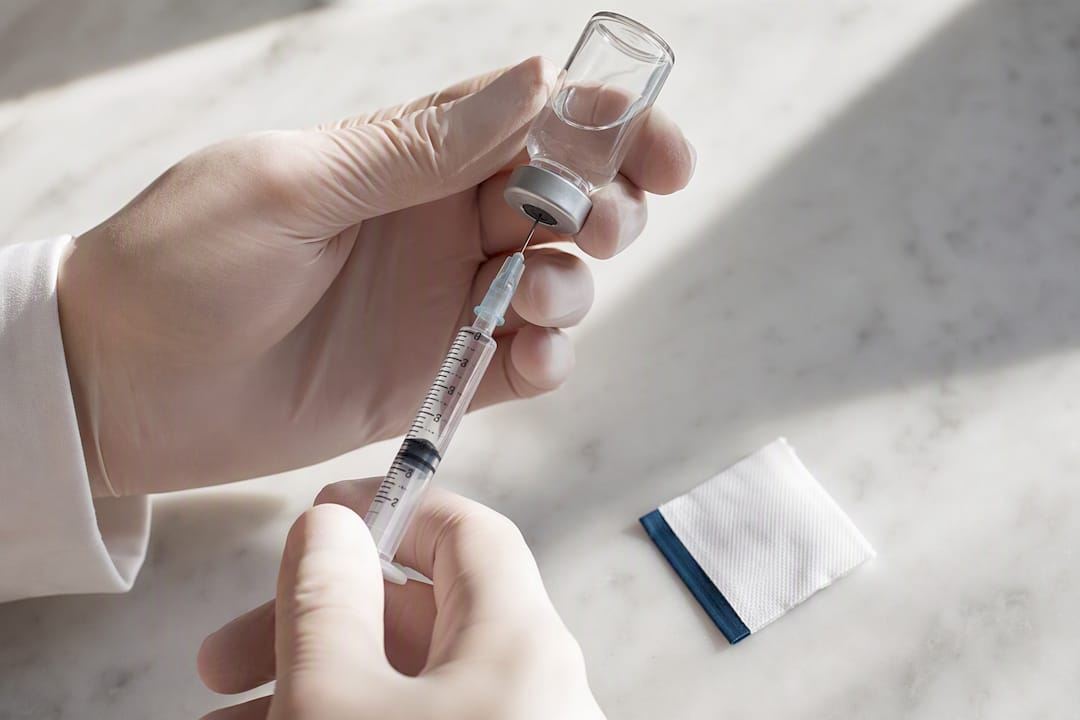
There is no universal “units equal milligrams” formula that works across every vial. You have to calculate it every time, based on that specific vial’s labeled concentration.
The calculation happens in three steps:
- Find the concentration. The vial label should state total milligrams and total volume after reconstitution (for example, 5 mg in 2 mL). Divide mg by mL to get mg per mL.
- Calculate the required volume. Divide your prescribed dose in mg by the mg/mL concentration to find how many milliliters you need to draw.
- Convert milliliters to syringe units. Most insulin syringes marked in units correspond to a specific mL scale (commonly 100 units per mL), so multiply the mL figure by that scale to know where to draw the plunger.
Get any one of those numbers wrong, or assume a vial matches a different pharmacy’s concentration, and you can end up drawing a dose that’s meaningfully higher or lower than intended. The FDA has issued direct alerts about dosing errors tied to compounded GLP-1 products, and compounded semaglutide isn’t held to the same manufacturing consistency standards as FDA-approved Wegovy or Ozempic pens. Beyond-use dating and storage also vary by compounding pharmacy, so a vial that’s been sitting past its stated window can lose potency in ways that aren’t visible. If you’re using a compounded product, understanding the specific safety steps involved matters just as much as knowing the dosing schedule itself.
How Should You Time Your Weekly Semaglutide Injection?
Consistency matters more than any specific day or hour. Semaglutide’s weekly half-life means the exact time you inject has far less impact than injecting on roughly the same day, week after week.
- Pick a day and stick with it. Sunday morning, Wednesday night, whatever fits your routine. The label allows any time of day, with or without meals, so build it around your schedule rather than the drug’s.
- Rotate your injection site. Abdomen, thigh, and upper arm are all approved sites. Rotating between them reduces skin irritation and the small, hard lumps that can form from repeated injections in the same spot.
- Use a fresh needle every time. Reusing a needle increases both discomfort and infection risk, and dulls quickly enough to make the injection itself more painful.
- Watch your food choices around dose increases, not just injection day. Heavy, greasy, or very large meals tend to intensify nausea in the days right after a step up. Lighter, more frequent meals during that window often make the adjustment easier.
For Rybelsus, timing isn’t flexible the way it is for the injectables. The tablet has to be taken on an empty stomach, first thing in the day, with no more than 4 ounces of water, and you need to wait at least 30 minutes before eating, drinking anything else, or taking other oral medications. Absorption drops sharply if that window isn’t respected, which can make the dose effectively weaker than intended even though you took it correctly on paper.
Pro Tip: If nausea tends to hit hardest in the evening, injecting in the morning (rather than switching your day entirely) can sometimes shift when symptoms peak relative to your sleep schedule. Small timing adjustments like this are worth discussing with your clinician rather than guessing on your own. Some people find that tracking whether morning or night works better for their specific side-effect pattern makes a real difference over the first two months.
Why Doesn’t Rybelsus’s Daily Dose Match Injectable Semaglutide?
Rybelsus follows its own daily escalation: 3 mg once daily for the first 30 days, stepping to 7 mg daily, and for some patients, 14 mg daily after another 30 days. That’s a completely separate scale from the weekly injectable doses, and the two numbers are not interchangeable.
- The 3 mg starting dose is a priming step for gut absorption, not a treatment dose. It’s not expected to produce meaningful blood sugar or weight effects on its own.
- Oral bioavailability is low and highly variable between individuals, which means the same 14 mg tablet dose can behave differently from one person to the next in ways a weekly injection doesn’t.
- Because of that variability, there’s no reliable formula for converting a Rybelsus mg dose into an equivalent injectable mg dose, or vice versa. Anyone telling you “14 mg oral equals X mg injectable” is oversimplifying a comparison the pharmacokinetics don’t support.
- Switching between oral and injectable semaglutide isn’t a simple dose swap. It requires clinician oversight to re-establish an appropriate starting point on the new formulation, generally starting low again rather than assuming equivalence.
What Are the Key Safety Warnings for Semaglutide Dosing?
Every semaglutide product carries a boxed warning related to thyroid C-cell tumors observed in rodent studies, and while that finding hasn’t been confirmed in humans, it’s why the label advises against use in anyone with a personal or family history of medullary thyroid carcinoma or Multiple Endocrine Neoplasia syndrome type 2. This isn’t a reason for panic. It’s a reason your intake process should always include a real history review before your first dose, not just a symptom checklist.
Pancreatitis is the other major signal clinicians monitor for throughout titration, particularly during dose increases. Persistent, severe abdominal pain, sometimes radiating to the back, with or without vomiting, is the symptom pattern that warrants immediate medical attention rather than waiting it out.
Severe vomiting or diarrhea deserves its own mention because of a less obvious risk: dehydration severe enough to affect kidney function. This tends to show up more in the first few weeks after a dose increase, when GI symptoms peak, which is exactly why clinicians ask about fluid intake and hydration status at every titration check-in, not just at the initial visit.
Drug interactions worth flagging to your clinician:
- Insulin and sulfonylureas often need dose reductions when semaglutide is added, since the combination raises hypoglycemia risk significantly
- Oral medications that depend on fast gastric emptying may absorb differently once semaglutide slows digestion
- Anticoagulants and other narrow-margin drugs warrant closer monitoring during the titration period specifically, since gut absorption patterns are shifting
If you’re on insulin or a sulfonylurea, this interaction isn’t a minor footnote. It’s one of the more common reasons for a hypoglycemic episode in the first few weeks of semaglutide use, and it’s worth a specific conversation with your prescriber before your first dose increase, not after a scare. A closer look at semaglutide’s drug interaction profile is worth reading in full if you take any other daily medication.
Seek urgent medical care for any of the following:
- Severe, persistent abdominal pain, especially with vomiting
- Signs of severe hypoglycemia: confusion, shakiness, cold sweat, or difficulty staying alert
- Signs of an allergic reaction: swelling of the face or throat, difficulty breathing, widespread rash
- Vision changes, particularly if you have a history of diabetic retinopathy
- Vomiting or diarrhea severe enough that you can’t keep fluids down for more than a day
The PMC clinical review of once-weekly semaglutide notes that the staged 0.25 to 2.4 mg escalation used in weight-management trials was specifically designed around minimizing these GI-related dropouts, which is part of why deviating from that pacing on your own, speeding it up especially, works against the exact mechanism that makes the schedule tolerable in the first place.
An Honest Look at Where Titration Goes Wrong
Most of the harm from semaglutide dosing schedules doesn’t come from the drug itself. It comes from people treating the ladder like a race instead of a calibration process. I’ve seen the same pattern show up again and again in how people talk about their doses online: pride in reaching 2.4 mg faster than the label suggests, frustration at “still being stuck” at 1 mg, an unspoken belief that higher always means better results.
That belief is backwards. The label’s four-week minimum exists because the data behind it showed that pacing produces better long-term adherence, not faster short-term loss. A dose you can’t tolerate long enough to stay on isn’t actually working for you, no matter what the ceiling says. What’s underappreciated is how much individual variation exists here. Two people starting the same week, same product, same starting dose, can end up on completely different maintenance doses and both be doing exactly what they should.
The piece that’s genuinely hard to do alone is holding a dose steady when everyone around you (online, in comparison threads, sometimes even in your own head) is treating faster escalation as success. That’s where consistent tracking and a clinician who’s actually watching your week-to-week pattern, not just approving a refill, makes the difference between guessing and adjusting with real information.
— Dominique
How GLPCare Supports Safer Semaglutide Titration
Getting your semaglutide dosing schedule right takes more than a printed ladder. It takes someone actually watching how you’re responding to it. GLPCare pairs clinician-prescribed semaglutide, including compounded options when appropriate, with ongoing oversight that adjusts your pace based on how you’re actually tolerating each step, not just how many weeks have passed.

The GLP Care Band tracks sleep, heart rate, and activity in the background while you log doses and meals in the app, giving your care team real signals, not just self-reported symptoms, when deciding whether to hold or advance your dose. That combination matters most in the weeks right after an increase, when muscle loss risk and GI symptoms both tend to spike, and when a wearable catching a drop in activity or disrupted sleep can flag a problem before it becomes a reason to quit treatment altogether. Programs include nutrition coaching tailored to your current step on the dosing schedule, regardless of prescription source.
If you’re not sure where you’d land on a semaglutide dosing schedule, or whether compounded or brand-name semaglutide fits your situation, the GLP-1 Readiness Quiz takes a few minutes and gives you a clearer starting point before your first clinician visit.
Sources
The dosing details in this guide draw directly from FDA-regulated product labeling and peer-reviewed clinical literature. For anyone who wants to verify a specific number before a dose change, these are the primary sources worth bookmarking:
- DailyMed — OZEMPIC (semaglutide)
- Once-Weekly Semaglutide for Weight Management: A Clinical Review — PMC
This article is general information, not a substitute for advice from a qualified doctor. Consult a qualified healthcare professional about your own circumstances before acting on anything here.
FAQ
What Is the Standard Dosing Schedule for Semaglutide?
Every product starts at 0.25 mg once weekly for four weeks as a tolerance step, then increases roughly every four weeks. Wegovy gradually increases to a maintenance dose commonly around 2.4 mg weekly for weight management; Ozempic increases to a maximum of 2 mg weekly for diabetes; and Rybelsus follows a separate daily oral escalation schedule up to 14 mg.
Is 40 Units of Compounded Semaglutide a Lot?
It depends entirely on your vial’s concentration, since “units” on a syringe map to volume, not a fixed milligram amount; units on a syringe map to volume, not a fixed milligram amount, so the represented dose varies depending on how the vial was reconstituted, which is why calculating mg per mL for your specific vial matters more than the unit number alone.
Is 2.5 mg of Semaglutide Enough to See Results?
There’s no FDA-approved semaglutide product dosed at a 2.4 mg maintenance dose or other amounts not listed in labeled products, so this figure typically appears in compounded contexts where labeling varies by pharmacy; many patients do see meaningful appetite and weight effects at doses well below the highest labeled maintenance dose, but “enough” depends on your individual response and your clinician’s assessment.
How Do I Calculate How Much Semaglutide I Should Take?
Your dose should come from your clinician’s prescription based on your product, your current titration step, and how you’ve tolerated prior doses, never from a general formula; for compounded vials specifically, the correct approach is converting the vial’s labeled mg per mL to the exact volume matching your prescribed dose, not estimating from unit markings alone.
Can I Skip Titration Steps to Reach the Maintenance Dose Faster?
No. Skipping steps significantly raises the risk of severe nausea, vomiting, and dehydration, since the four-week intervals exist specifically to let your digestive system adapt before the next increase.