GLP-1 Eligibility: Who Qualifies and What to Prepare

GLP-1 Eligibility: Who Qualifies and What to Prepare

Most U.S. adults who qualify for GLP-1 therapy meet one of two criteria: a BMI of 30 or higher, or a BMI of 27–29.9 combined with at least one documented weight-related medical condition. These are the FDA-label pathways that clinicians use to determine GLP-1 eligibility, and they apply to adults 18 and older for most approved medications. Meeting the number is necessary, but it is not always sufficient. Two things can stop a prescription even when your BMI qualifies: absolute contraindications (a personal or family history of medullary thyroid carcinoma or MEN2 syndrome, or current pregnancy), and payer requirements that go beyond what the FDA label demands.
Here is the short version of who typically qualifies:
- BMI at or above 30 with no qualifying comorbidity required
- BMI between 27 and 29.9 plus at least one of the following: type 2 diabetes, hypertension, dyslipidemia, obstructive sleep apnea, established cardiovascular disease, or metabolic dysfunction-associated steatotic liver disease (MASLD/MASH)
- Age 18 or older for adult-labeled drugs (pediatric approvals exist for select agents but follow different criteria)
- No absolute contraindications present (MTC/MEN2 history, pregnancy, known severe drug allergy)
- Insurance or Medicare coverage often requires additional documentation beyond the FDA label, including supervised lifestyle program records and comorbidity evidence with ICD-10 codes
If you are close to the 27 threshold or have a complex medical history, a formal clinical evaluation is the only way to get a definitive answer.
Key Takeaways
Adults with a BMI of 30 or higher, or a BMI of 27–29.9 plus a documented weight-related condition, meet the core FDA-label criteria for GLP-1 eligibility in the U.S., provided no absolute contraindications are present.
| Point | Details |
|---|---|
| Core BMI thresholds | BMI ≥30 qualifies alone; BMI 27–29.9 requires at least one documented comorbidity. |
| Age requirement | Most adult-labeled GLP-1 drugs require patients to be 18 or older. |
| Absolute contraindications | MTC or MEN2 history and pregnancy are automatic disqualifiers regardless of BMI. |
| Insurance vs. FDA label | Payers often require 3–6 months of supervised lifestyle documentation beyond the FDA label. |
| Glpcare’s role | Glpcare provides telehealth evaluation, medication management, and ongoing clinical support to help you move from eligibility to treatment. |
Table of Contents
- What are the GLP-1 eligibility criteria for BMI and qualifying conditions?
- What contraindications could prevent you from getting a GLP-1 prescription?
- What happens during a clinical GLP-1 eligibility evaluation?
- How does insurance coverage affect your access to GLP-1 therapy?
- Which GLP-1 medications are available in the U.S. and what are they approved for?
- How do you prepare for a GLP-1 evaluation and improve your approval odds?
- Why eligibility is about more than a BMI number
- A note on eligibility, safety, and what integrated care actually means
- Glpcare offers a medically supervised path from eligibility to ongoing care
- Sources
- FAQ
What are the GLP-1 eligibility criteria for BMI and qualifying conditions?
The FDA has approved GLP-1 and dual agonist medications for chronic weight management using two distinct pathways, both grounded in BMI.
BMI (body mass index) is calculated by dividing your weight in kilograms by your height in meters squared. The NIH/NHLBI BMI calculator lets you enter your height and weight in pounds and inches to get an instant result. You can also use Glpcare’s free BMI calculator to confirm your number before your appointment.
The qualifying conditions for the BMI 27–29.9 pathway are well established. University of Utah Health clinicians list the most commonly accepted ones:
- Type 2 diabetes or prediabetes
- Hypertension (high blood pressure)
- Dyslipidemia (abnormal cholesterol or triglycerides)
- Obstructive sleep apnea (OSA)
- Established cardiovascular disease (prior heart attack or stroke, not just risk factors)
- MASLD/MASH (metabolic dysfunction-associated steatotic liver disease, formerly NAFLD/NASH)
One nuance worth knowing: qualifying based on cardiovascular disease alone can be harder to get approved through insurance, because many payers want documentation of a prior major adverse cardiovascular event rather than risk-factor diagnoses alone. A risk-factor list without an event on record may not satisfy a prior-authorization reviewer.
Pro Tip: BMI has real limits as a screening tool. Very muscular adults can have a BMI above 30 with minimal fat mass, while older adults with sarcopenia may carry significant visceral fat at a BMI of 27. When BMI seems misleading, clinicians may use waist circumference, body composition analysis, or metabolic labs to make a more complete assessment.
What contraindications could prevent you from getting a GLP-1 prescription?
Some conditions are absolute stops. Others require careful clinical judgment before proceeding.
Absolute contraindications mean a clinician will not prescribe regardless of BMI:
- Personal or family history of medullary thyroid carcinoma (MTC)
- Multiple endocrine neoplasia type 2 (MEN2)
- Pregnancy or active breastfeeding
- Known severe hypersensitivity to the specific GLP-1 agent
Relative contraindications require evaluation and monitoring rather than an automatic refusal:
- History of pancreatitis (acute or chronic)
- Severe gastroparesis or significant GI motility disorders
- Active eating disorder (anorexia nervosa, bulimia nervosa, binge-eating disorder)
- Certain diabetic retinopathy concerns with rapid glucose lowering
- Severe kidney or liver impairment (dose-dependent and agent-specific)
Pregnancy deserves a specific note. GLP-1 medications are not safe during pregnancy, and most clinical guidelines recommend stopping therapy at least two months before attempting conception. Women of childbearing potential are typically counseled on contraception before starting, and a pregnancy test is often ordered at the initial visit.
Behavioral-health and eating-disorder screening is a standard part of a thorough GLP-1 evaluation. An active eating disorder does not automatically disqualify someone, but it does require a coordinated care plan before therapy begins. Skipping this screen puts patients at risk and creates liability for prescribers.
Yale Medicine’s clinical guidance reinforces that contraindication screening, including thyroid cancer history and pregnancy status, is a core part of the evaluation process, not an afterthought.
Pro Tip: If you have had a pancreatitis workup, an eating-disorder treatment history, or prior contraception counseling, bring those records to your first appointment. Having them in hand shortens the documentation phase and helps the clinician make a faster, safer decision.
What happens during a clinical GLP-1 eligibility evaluation?
Patients often expect to leave the first visit with a prescription in hand. In practice, the first appointment is usually more about gathering information than writing a script. Here is the typical flow:
- Intake and biometrics: Height, weight, and BMI are measured and recorded. Two BMI readings over 3–6 months are ideal for documentation purposes.
- Full medical history: The clinician reviews current diagnoses, prior weight-loss attempts, surgical history, and family history (including thyroid cancer).
- Medication review: Current prescriptions are checked for interactions and for any prior GLP-1 or weight-loss medication use.
- Mental-health and eating-disorder screen: A brief validated screen (such as the SCOFF or EDE-Q) is commonly used.
- Physical exam: Abdominal exam, blood pressure, and relevant system checks.
- Lab orders: Depending on the clinician and setting, labs may be drawn at the visit or ordered for a follow-up.
- Documentation for prior authorization: The clinician begins assembling the PA packet if insurance coverage is the plan.
Common labs ordered before or shortly after starting therapy include:
- Hemoglobin A1c and fasting glucose
- Comprehensive metabolic panel (CMP)
- Lipid panel
- Pregnancy test (for women of childbearing potential)
- Thyroid function tests when clinically indicated
After the initial assessment, a typical timeline looks like this: medication start (if approved) within one to two weeks, an early follow-up at two to four weeks to assess tolerability, and ongoing reauthorization checkpoints at three to six months. Any licensed prescriber, including primary care physicians, nurse practitioners, physician assistants, and endocrinologists, can prescribe GLP-1 medications. Telehealth models vary in which labs they require upfront versus after the first dose.
How does insurance coverage affect your access to GLP-1 therapy?
The FDA label and your insurer’s coverage policy are two different things, and the gap between them is where most patients get stuck. Insurance prior-authorization requirements commonly include:
- Documented BMI history (at least two readings over time, not just one visit)
- Three to six months of a supervised lifestyle intervention program (diet and exercise, documented by a provider)
- Objective comorbidity evidence: an ICD-10 diagnosis code, lab results, or a sleep-study report
- Prior trials of older weight-loss medications or metformin (for diabetes-related indications) in some plans
- Step-therapy requirements, where a plan mandates trying a lower-cost agent before approving a GLP-1
For the BMI 27 pathway specifically, payers generally expect objective documentation. A patient’s self-report of hypertension without a chart diagnosis or a blood pressure reading in the record is often insufficient for approval.
Insurance policy rules, not FDA labeling, are most often the barrier patients actually experience. Structured documentation and supervised program evidence materially improve prior-authorization success rates.
Medicare context: Standard Medicare Part D has historically excluded GLP-1 medications prescribed solely for weight loss. The CMS Medicare Bridge demonstration temporarily expands access for some beneficiaries under defined clinical criteria. Check Cms directly for current program status, as eligibility criteria and enrollment windows change. For GLP-1 insurance coverage details and documentation tips, Glpcare’s guide covers the current landscape.
When coverage is denied, two practical paths exist: manufacturer patient-assistance programs (Novo Nordisk and Eli Lilly both offer savings programs with income-based eligibility) and cash-pay pricing through telehealth or compounding pharmacies, though compounded versions carry their own regulatory considerations.
Pro Tip: Ask your clinician to include targeted ICD-10 codes, recent A1c or lipid results, and a sleep-study report in the PA packet from the start. A complete first submission cuts back-and-forth by weeks.
Which GLP-1 medications are available in the U.S. and what are they approved for?
The two active agents you will encounter most often are semaglutide and tirzepatide. Their brand names and indications differ, and knowing the distinction matters for your conversation with a prescriber.
- Semaglutide (Wegovy®): FDA-approved for chronic weight management in adults with BMI ≥30, or BMI ≥27 plus a qualifying comorbidity. This is the primary obesity indication for semaglutide. Wegovy BMI requirements mirror the FDA-label thresholds described above.
- Semaglutide (Ozempic®): FDA-approved for type 2 diabetes management. Frequently used off-label for weight loss, but the obesity indication belongs to Wegovy. Ozempic carries a different label and dose ceiling.
- Tirzepatide (Zepbound®): FDA-approved for chronic weight management, same BMI thresholds as Wegovy. Zepbound is a dual GIP/GLP-1 receptor agonist, which distinguishes it mechanistically from semaglutide.
- Tirzepatide (Mounjaro®): FDA-approved for type 2 diabetes. Mounjaro’s primary indication is T2D; Zepbound is the weight-management brand.
Always discuss on-label versus off-label use with your prescriber. The formulation, dose titration schedule, and covered indication differ between brands even when the active ingredient is the same. What your plan covers may depend entirely on which brand name appears on the prescription.
Wegovy has a pediatric approval for adolescents 12 and older with obesity, making it one of the few GLP-1 agents with a labeled indication below age 18. Most other agents in this class carry adult-only labels. For a deeper look at GLP-1 drugs for weight loss, Glpcare’s evidence guide covers clinical results and formulation differences.
How do you prepare for a GLP-1 evaluation and improve your approval odds?
Preparation before the appointment makes a measurable difference, both in how efficiently the visit goes and in how complete the prior-authorization packet will be.
- Calculate and record your BMI. Use the Glpcare BMI calculator or the NIH tool. Ideally, document two readings separated by at least three months.
- Gather recent lab results. A1c, fasting glucose, lipid panel, and CMP from the past six to twelve months are most useful.
- Collect comorbidity documentation. Bring the chart note or diagnosis letter for hypertension, sleep apnea (with sleep-study report if you have one), diabetes, or dyslipidemia.
- List past weight-loss attempts. Note supervised programs, dietitian visits, prior medications, and approximate dates. Written confirmation from a provider carries more weight than a verbal history.
- Note pregnancy and contraception plans. If you are a woman of childbearing potential, be ready to discuss this with the clinician.
- Prepare a behavioral-health summary. If you have a history of eating-disorder treatment or mental-health care, bring relevant records or provider contact information.
When scheduling, list the visit reason explicitly as “medical weight-management evaluation for GLP-1 consideration.” This signals to the front desk and the clinician that documentation and prior-authorization planning are part of the agenda, not an afterthought.
Dietitian notes and supervised program confirmations are particularly useful for satisfying insurer step-therapy requirements. If you have worked with a registered dietitian in the past year, request a summary letter before your appointment.

Why eligibility is about more than a BMI number
Clinical experts at Yale Medicine are clear on this point: obesity is a chronic metabolic disease, and GLP-1 therapy is designed for long-term management, not a short-term fix. The BMI thresholds exist because that is where clinical trials enrolled participants and where the FDA established the benefit-risk balance. But the number is a starting point, not the whole picture.
Clinicians evaluating GLP-1 eligibility focus on the full medical history, contraindication screening, behavioral-health assessment, and how the medication integrates with lifestyle changes. A BMI that qualifies on paper does not mean therapy is appropriate without that broader evaluation.
Peer-reviewed meta-analyses confirm meaningful weight loss with GLP-1 receptor agonists in approved populations, but those trial populations followed the same BMI and comorbidity criteria used in the FDA labels. Prescribing outside those boundaries carries less evidence and more uncertainty.
The first visit frequently surprises patients. Rather than a quick prescription, providers report that history-gathering, behavioral screening, and documentation take priority. That is not a bureaucratic delay. It is what safe, sustained treatment looks like.
Pro Tip: If you have complex comorbidities, a prior GI or pancreas issue, or a history of eating-disorder treatment, ask specifically for a clinician with obesity medicine training or board certification. The Obesity Medicine Association maintains a provider directory at obesitymedicine.org.
A note on eligibility, safety, and what integrated care actually means
Eligibility is a clinical determination, and the criteria exist for good reason. The BMI thresholds and contraindication screens are not gatekeeping for its own sake. They reflect where the evidence is strongest and where the benefit-risk balance is clearest.
What often gets lost in the eligibility conversation is what happens after approval. A prescription is a starting point. Long-term outcomes depend on consistent follow-up, behavioral support, nutrition guidance, and monitoring for side effects and muscle loss. Patients who have continuous clinical oversight tend to stay on therapy longer and manage dose adjustments more safely.
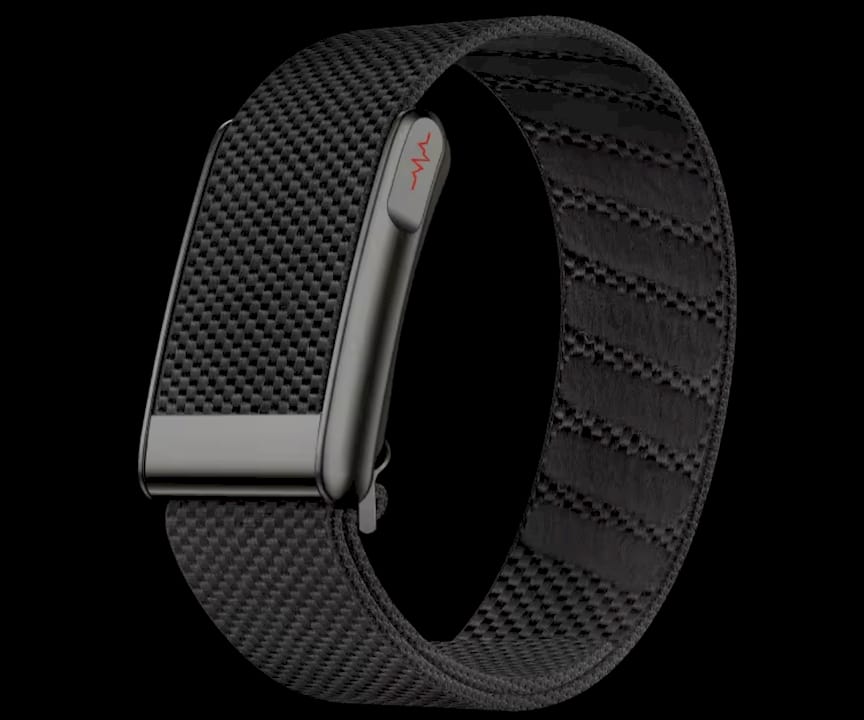
Glpcare’s approach is built around that reality. The program pairs medically supervised GLP-1 care with personalized nutrition coaching and biometric tracking through a proprietary wearable band, so the clinical picture between visits is never a blank. That continuity is what makes the difference between a prescription and a program.
Glpcare offers a medically supervised path from eligibility to ongoing care
If you meet the BMI criteria or suspect you might qualify through a comorbidity, the practical next step is a structured evaluation, not a self-assessment alone.

Glpcare’s integrated program covers the full arc: telehealth clinical assessment, medication management (including semaglutide or tirzepatide shipped to your home when prescribed), lab coordination, and prior-authorization support. The proprietary wearable band tracks sleep, heart rate, and activity in real time, giving your clinician a richer data set at every follow-up. Nutrition coaching and an AI-driven app help you manage dosing, track meals, and minimize muscle loss throughout treatment.
All prescribing decisions follow FDA-labeled indications and are made by licensed clinicians. Take the GLP-1 readiness quiz to collect your key eligibility data points and prepare for a clinical conversation with a clear picture of where you stand.
Sources
- GLP-1 Medications for Weight Loss: How to Get Started | Yale Medicine
- Common GLP-1 Questions, Answered by Weight Loss Experts at U of U Health | University of Utah Health
- GLP-1 Qualifications 2026: BMI, Comorbidities, Age, Insurance Criteria | Middle Way Nutrition
- Nhlbi
- FDA press announcements (chronic weight management approvals) | FDA
This article is general information, not a substitute for advice from a qualified doctor. Consult a qualified healthcare professional about your own circumstances before acting on anything here.
FAQ
What conditions qualify you for a GLP-1 medication?
You qualify under the FDA label with a BMI of 30 or higher, or a BMI of 27–29.9 plus at least one of the following: type 2 diabetes, hypertension, dyslipidemia, obstructive sleep apnea, established cardiovascular disease, or MASLD/MASH. Prediabetes is also commonly accepted by clinicians and many insurers.
Will Medicare cover GLP-1 drugs for weight loss in 2026?
Standard Medicare Part D has historically excluded GLP-1 medications prescribed solely for weight loss. The CMS Medicare Bridge demonstration temporarily expands access for some beneficiaries under defined criteria; check CMS.gov for current enrollment status and eligibility requirements.
How do I get approved for a GLP-1 medication?
Start by confirming your BMI and gathering comorbidity documentation (ICD-10 diagnoses, labs, sleep-study results), then schedule a medical weight-management evaluation with a licensed prescriber. Glpcare’s readiness quiz helps you organize that information before the appointment.
What disqualifies you from GLP-1 therapy?
A personal or family history of medullary thyroid carcinoma or MEN2 syndrome, current pregnancy or breastfeeding, and known severe allergy to the specific agent are absolute contraindications. A history of pancreatitis, active eating disorder, or severe GI motility disorder requires careful clinical evaluation before proceeding.
Does BMI alone determine GLP-1 eligibility?
BMI is the primary screening threshold, but it is not the only factor. Clinicians also assess contraindications, behavioral health, comorbidity documentation, and prior treatment history. A BMI that meets the numeric cutoff does not guarantee a prescription if safety concerns or incomplete documentation are present.