Coffee and GLP-1 Drugs: Does Caffeine Affect Your Results?
Coffee and GLP-1 Drugs: Does Caffeine Affect Your Results?
Coffee typically does not reduce how well GLP-1 medications work, but caffeine can make nausea, reflux, and other GI side effects worse for some people, especially during dose escalation. Neither the FDA nor clinical research on caffeine on GLP-1 shows a labeled drug interaction. The practical fix is timing and amount, not elimination.
TL;DR:
- Caffeine can exacerbate reflux and nausea during GLP-1 therapy due to its effects on stomach acid and sphincter relaxation, especially during dose escalation.
- The 2-hour window after taking oral semaglutide is critical for absorption, requiring patients to wait before consuming coffee or other drinks, but this does not apply to injectables.
- Coffee’s impact on GLP-1 levels from animal studies does not directly translate to human drug efficacy, and regulatory agencies do not list caffeine as a drug interaction.
- Adjusting coffee timing, switching to decaf, or reducing intake during symptom-prone periods can significantly improve GI side effects without quitting coffee entirely.
- Energy drinks pose higher risks due to excess caffeine and sugar, which can worsen dehydration, blood sugar, and GI irritation in patients on GLP-1 medications.
Table of Contents
- How Caffeine on GLP-1 Affects Digestion and Appetite
- What the Research Actually Shows About Caffeine and GLP-1 Levels
- Timing and Dose Adjustments That Actually Reduce Symptoms
- Does the 2-Hour Coffee Rule Apply to Oral Semaglutide?
- Why Energy Drinks Are Riskier Than Regular Coffee on GLP-1
- How Wearable Data Helps You Fine-Tune Caffeine on GLP-1
- A Simple Testing Plan for Your Own Coffee Habits
- Get Personalized Guidance on Caffeine and Your GLP-1 Plan
- Sources
- FAQ
How Caffeine on GLP-1 Affects Digestion and Appetite
The relationship between caffeine and GLP-1 comes down to two systems working on the same organ at the same time. Your stomach is ground zero for both.
GLP-1 receptor agonists like semaglutide and tirzepatide work partly by slowing gastric emptying, the process that moves food out of your stomach into your small intestine. That delay is a feature, not a bug. It keeps you fuller longer and blunts the blood sugar spike after meals. It’s also the direct cause of the nausea, bloating, and early fullness that show up on GLP-1 therapy, particularly in the first weeks after a dose increase.
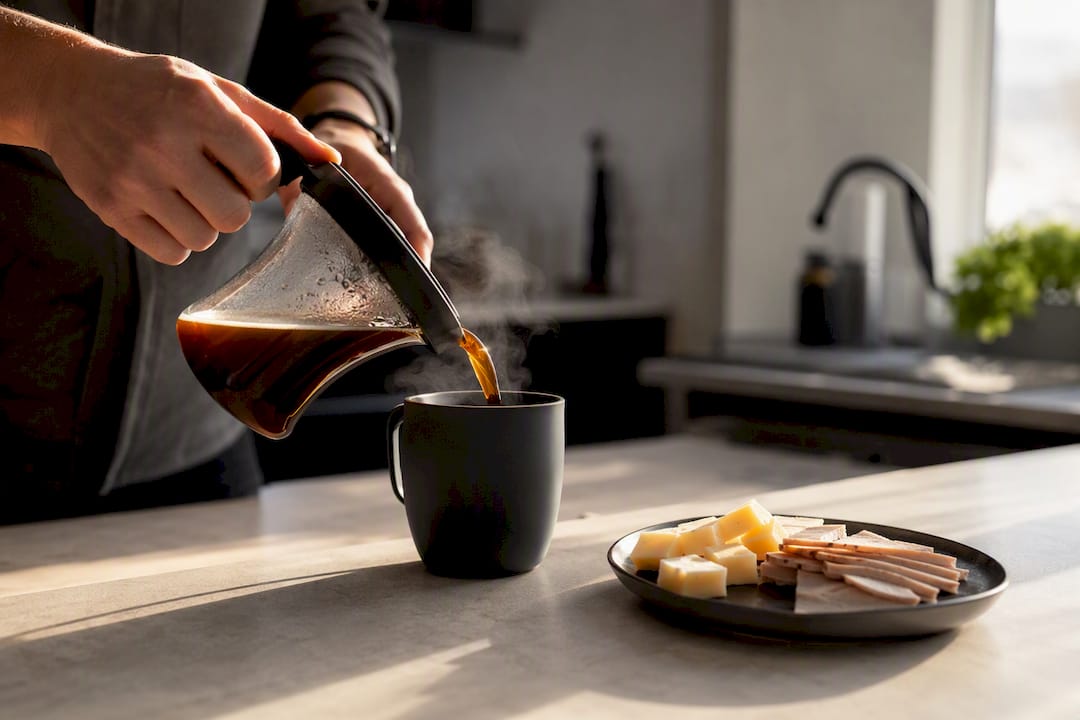
Caffeine enters this picture from a different angle. It stimulates gastric acid secretion and can relax the lower esophageal sphincter, the muscular valve that keeps stomach acid where it belongs. When that valve loosens, acid has an easier path upward, which is why coffee is a common trigger for reflux in people who are otherwise fine with food. Caffeine’s effect on gastric emptying itself is small and inconsistent across studies. It’s not the primary driver of GLP-1 slowdown. It’s the acid and sphincter effects that tend to compound what the medication is already doing.
Here’s the overlap that catches people off guard:
- A stomach that’s already emptying slowly holds coffee’s acid-stimulating effects longer than it would on a normal digestive schedule.
- A relaxed sphincter combined with a fuller-than-usual stomach raises the odds of reflux symptoms after your morning cup.
- Nausea from the medication and nausea from an acidic, empty stomach feel nearly identical, so many patients blame the drug for what coffee triggered.
- Caffeine’s mild diuretic effect can compound the dehydration some people experience during titration, when appetite and fluid intake both drop.
Pro Tip: If your nausea seems to track suspiciously well with your coffee schedule rather than your dose changes, try skipping coffee for two mornings during a stable dose week and see if symptoms shift. That single test tells you more than any forum thread will.
None of this means caffeine changes how the drug metabolizes or binds its receptor. The FDA prescribing information for semaglutide lists no caffeine interaction. The overlap is symptomatic, not pharmacologic, and that distinction is the whole reason mitigation steps work as well as they do. If you’re already dealing with appetite changes on your medication, it helps to understand the full picture of appetite suppression before you start adjusting your coffee habits, since the two effects often get tangled together in how they feel day to day.
What the Research Actually Shows About Caffeine and GLP-1 Levels
The science here is more nuanced than “coffee is fine” or “coffee is bad.” It splits into three distinct threads, and each one answers a different question.
The first thread is mechanistic. A study in C57BL/6J mice found that coffee polyphenols increased postprandial active GLP-1 secretion after ingestion. That’s a genuinely interesting finding, and it’s the reason you’ll see headlines claiming coffee “boosts” GLP-1. But it’s an animal study measuring natural GLP-1 secretion in response to polyphenol compounds in coffee, not a study of how caffeine interacts with injectable or oral GLP-1 medication in humans. The translational gap between a mouse’s endogenous hormone response and a patient’s semaglutide pharmacokinetics is wide enough that this finding functions as a research lead, not a clinical guideline.
The second thread looks at appetite directly. A review of caffeine’s influence on energy intake and appetite control found that caffeine taken 0.5 to 4 hours before a meal may suppress short-term energy intake in some studies, but the effects on gastric emptying and appetite hormones were inconsistent across trials. Timing mattered more than dose in most of the data, and no consistent pattern emerged for how caffeine changes appetite-hormone signaling in a way that would meaningfully stack with or fight against a GLP-1 medication.
Clinical pharmacology labels are built around formal, mechanistic drug interactions. The absence of a labeled caffeine interaction on a GLP-1 medication doesn’t mean the two substances can’t produce overlapping symptoms. It means the FDA hasn’t found evidence of one substance changing how the other is absorbed, metabolized, or cleared.
The third thread is the regulatory one. FDA prescribing information for semaglutide does not list caffeine among labeled interactions. That’s the closest thing to an official answer on “does caffeine affect GLP-1 drug efficacy,” and it’s a clean no. What the label does flag is delayed gastric emptying as a class effect, which is the mechanism behind most of the coffee-related complaints patients report.
Put those three threads together and you get a coherent, if incomplete, picture:
- Coffee compounds can influence natural GLP-1 secretion in preclinical models, but that doesn’t translate directly to drug efficacy in humans on medication.
- Caffeine’s appetite effects are real but small, timing-dependent, and inconsistent enough that you shouldn’t restructure your whole diet around them.
- No regulatory body has flagged a pharmacologic interaction between caffeine and GLP-1 drugs, which is the most clinically relevant fact for most patients.
For deeper background on how GLP-1 therapy works as a drug class, the evidence guide on GLP-1 therapy for weight loss covers the gastric emptying mechanism in more detail than fits here.
Timing and Dose Adjustments That Actually Reduce Symptoms
If coffee is giving you trouble on GLP-1 therapy, the fix is almost never “quit coffee.” It’s usually a handful of small, testable adjustments to when and how you drink it.
- Skip the empty-stomach cup during escalation weeks. The first few days after a dose increase are when gastric emptying slows the most, and an empty stomach amplifies caffeine’s acid-stimulating effect. Eat something small first, even a few crackers or a bite of yogurt.
- Try decaf, half-caf, or cold brew if hot coffee irritates you. Cold brew is naturally lower in acidity than hot-brewed coffee, and half-caf cuts your caffeine load without eliminating the ritual entirely.
- Cut back by 1 to 2 cups a day if nausea or reflux is persistent. You don’t need to go to zero. Dropping from three cups to one is often enough to see a difference within a few days.
- Increase plain water intake alongside caffeine. Caffeine’s mild diuretic effect matters more when appetite is already suppressed and fluid intake tends to drop.
- Separate iron or calcium supplements from coffee by at least an hour. Caffeine can interfere with mineral absorption, and this is a well-established interaction independent of GLP-1 therapy.
- Reach for an OTC antacid for occasional breakthrough reflux, but call your clinician if symptoms persist beyond a few days or intensify. Antacids are a reasonable stopgap, not a long-term substitute for adjusting the actual trigger.
Pro Tip: Track your coffee timing against your symptom severity for even three days. Most patients discover their worst symptoms cluster around one specific pattern, usually coffee before food, rather than coffee in general.
Reflux specifically deserves its own attention here, since it’s one of the more disruptive side effects patients report when they combine coffee with GLP-1 therapy. If heartburn has become a regular problem, the detailed guide on heartburn and reflux management walks through additional triggers beyond caffeine that are worth ruling out. And if nausea is your primary complaint rather than reflux, the nausea management resource covers food-based strategies that pair well with the caffeine adjustments above.
Does the 2-Hour Coffee Rule Apply to Oral Semaglutide?
Oral semaglutide is the one place where caffeine timing isn’t just a comfort issue. It’s a dosing rule that affects whether the medication absorbs correctly at all.
The FDA prescribing information instructs patients to take oral semaglutide first thing in the morning, on an empty stomach, with no more than 4 ounces of plain water. The label then requires waiting a set period, commonly referred to as the 2-hour coffee rule, before eating, drinking anything else, or taking other oral medications. Coffee, food, and supplements all fall into that restricted window.
- Take your oral semaglutide dose immediately upon waking, before anything else touches your stomach.
- Use only plain water, no more than 4 ounces, to swallow the tablet.
- Wait the full interval specified on your label and by your prescriber before your first cup of coffee.
- Confirm your exact waiting window with your prescriber or pharmacist, since dosing instructions can vary and following the label precisely affects how much drug your body absorbs.
This rule exists because oral semaglutide’s absorption is fragile. Food, other liquids, and even other pills can block enough of the drug from crossing into your bloodstream to blunt its effect. Injectable GLP-1 medications like the weekly semaglutide or tirzepatide pens don’t carry this restriction at all, since the drug bypasses the stomach’s absorption barrier entirely and enters through subcutaneous tissue instead. If you’re on an injectable, your coffee schedule is governed by symptom management, not absorption mechanics. If you’re on the oral tablet, the coffee wait is non-negotiable for the medication to work as intended.
Why Energy Drinks Are Riskier Than Regular Coffee on GLP-1
Not all caffeine sources carry the same risk profile, and this is where a lot of patients get into trouble without realizing it. A cup of drip coffee and a can of energy drink are not interchangeable, even at similar caffeine counts.
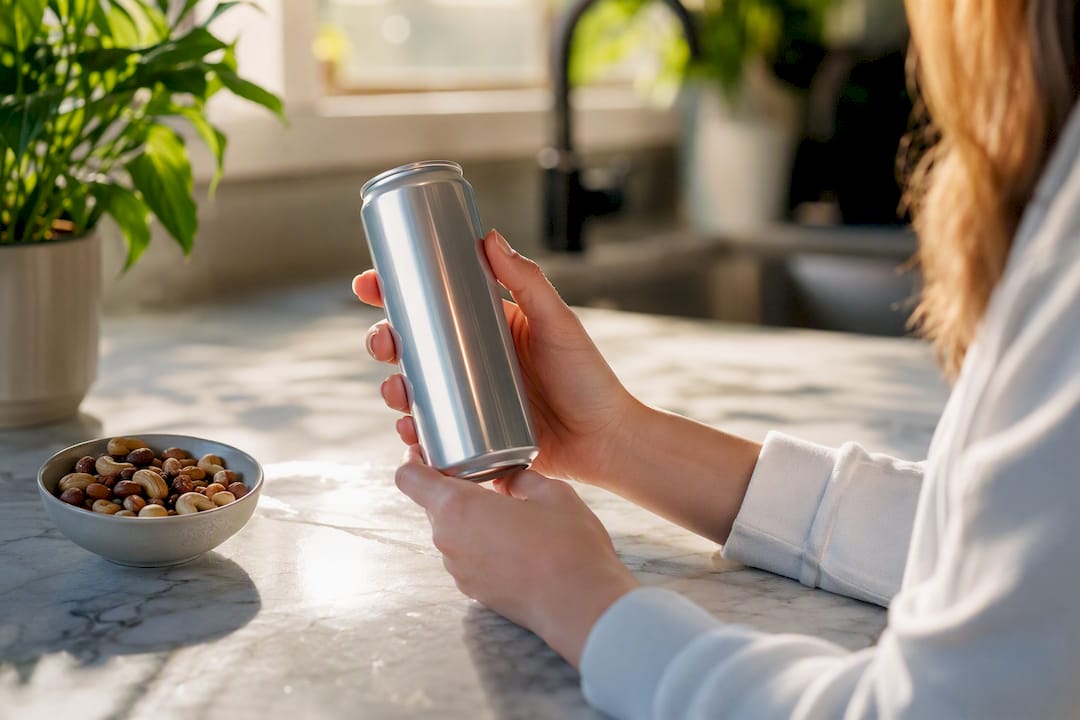
Energy drinks often pack far more caffeine per serving than a standard cup of coffee, and many also carry a heavy sugar load that a plain cup of black coffee doesn’t. That combination hits two problems at once for someone on GLP-1 therapy. The sugar spikes blood glucose and can aggravate the GI irritation you’re already managing, while the concentrated caffeine raises the odds of palpitations and dehydration, particularly when appetite suppression already has you eating and drinking less than usual.
Specialty coffee drinks deserve the same scrutiny. A flavored latte with syrup and whipped cream isn’t meaningfully different from a soda in sugar content, even though it feels like a health-conscious choice. University health guidance on GLP-1 therapy specifically recommends limiting sugary and carbonated beverages, since they work against the metabolic goals the medication is trying to support.
- Choose black coffee, unsweetened cold brew, or tea over sugar-loaded specialty drinks.
- Skip energy drinks entirely during dose escalation, when GI sensitivity and dehydration risk are both highest.
- If you rely on energy drinks for alertness, a low-sugar alternative can bridge the gap without the same glycemic hit; low-sugar drink alternatives are worth exploring if this is a daily habit rather than an occasional one.
- Watch for palpitations or unusual heart rate spikes after caffeinated beverages, and mention them to your clinician even if they seem minor.
How Wearable Data Helps You Fine-Tune Caffeine on GLP-1
Guessing at your own caffeine tolerance is harder than it sounds, because symptoms from the medication and symptoms from coffee overlap so closely. This is exactly the kind of pattern that objective data resolves faster than memory or gut feeling.
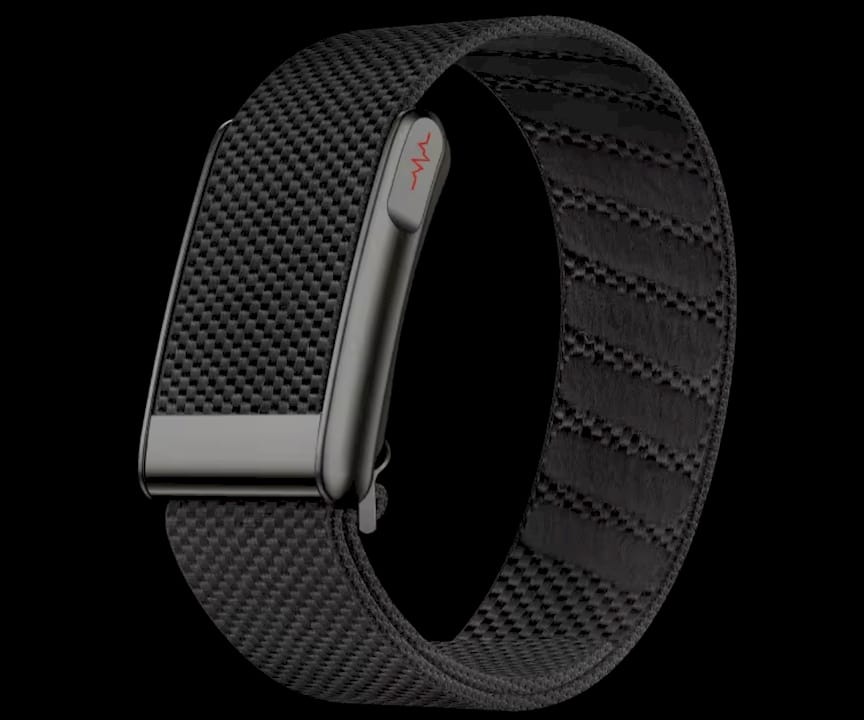
Glpcare’s wearable band tracks heart rate, sleep quality, and activity levels continuously, which means a caffeine-driven heart rate spike or a caffeine-disrupted sleep night shows up as data, not a vague sense that something felt off. Paired with symptom logging in the app, you and your care team can see whether your nausea clusters around coffee timing, dose days, or something else entirely, rather than relying on trial and error alone.
Glpcare’s coaching team uses that data to make specific adjustments: shifting your coffee window relative to your dose day, suggesting a protein-forward breakfast to buffer caffeine’s effect on an empty stomach, and setting hydration targets that account for caffeine’s mild diuretic pull. That protein guidance matters beyond comfort, since protecting lean muscle mass during weight loss is one of the harder parts of GLP-1 therapy to get right without support.
If you’re not yet on a GLP-1 medication and you’re weighing whether this kind of monitored approach fits your situation, the GLP-1 Readiness Quiz is a fast way to see where you stand before your first clinical conversation.
A Simple Testing Plan for Your Own Coffee Habits
Most of what you need to know about your own caffeine tolerance on GLP-1 therapy, you can find out yourself in about a week, without guessing.
Start by logging your coffee intake, timing, and any GI symptoms for three to seven days before you change anything. This baseline matters more than people expect, because it’s easy to blame the wrong variable when nausea and reflux feel so similar day to day. Once you have that baseline, make exactly one change. Move your coffee later, switch to decaf, or add food beforehand, then hold that single change steady for three days and watch what happens. Changing three things at once tells you nothing useful.
If symptoms are mild and manageable, keep iterating one variable at a time until you land on a routine that works. If symptoms are severe, persistent, or come with anything unusual like chest pain or a racing heart, stop experimenting and call your clinician instead of troubleshooting alone. Self-testing has real limits, and knowing where they are is part of doing this responsibly.
— Dominique
Get Personalized Guidance on Caffeine and Your GLP-1 Plan
Figuring out your own caffeine threshold through trial and error works, but it’s slower and less precise than doing it with clinician oversight and real biometric data behind you. Glpcare’s integrated program pairs prescription GLP-1 medication with a wearable band that tracks heart rate, sleep, and activity around the clock, plus nutrition coaching that helps you time coffee, meals, and hydration without losing lean muscle mass along the way.
Instead of guessing whether your morning cup is behind your nausea, your care team sees the pattern in your data and adjusts your plan accordingly. If you’re already on a GLP-1 medication and want that kind of oversight, Precision GLP-1 Care shows how the wearable and coaching model works together. If you haven’t started treatment yet, take the GLP-1 Readiness Quiz to see whether a clinician-backed program fits your next step.
Sources
For readers who want to verify the clinical claims directly, the FDA prescribing information for semaglutide is the primary source for dosing rules and interaction data. The PMC study on coffee polyphenols and GLP-1 secretion covers the preclinical mechanism, while the PubMed review on caffeine and appetite control summarizes human trial data. For general beverage guidance during GLP-1 therapy, Ohio State Health & Discovery offers a patient-facing overview worth bookmarking.
This article is general information, not a substitute for advice from a qualified doctor. Consult a qualified healthcare professional about your own circumstances before acting on anything here.
- Review: coffee and caffeine’s influence on energy intake and appetite control
- How much caffeine is too much? — FDA
- GLP-1 foods to limit — Ohio State Health & Discovery
FAQ
What Should I Avoid While Taking GLP-1 Medication?
Limit sugary, carbonated, and alcoholic drinks, along with high-fat or greasy foods, since all three can worsen the nausea and reflux that already come with slowed gastric emptying.
Can I Drink Coffee While on Zepbound?
Yes, there’s no labeled interaction between caffeine and tirzepatide, but coffee can still worsen nausea or reflux for some people, especially during dose escalation, so timing it with food often helps.
Does Caffeine Interfere With Ozempic?
No, FDA prescribing information does not list caffeine as an interaction with semaglutide; the connection people notice is usually symptomatic overlap, not a drug interaction.
What Is the 2-Hour Coffee Rule?
It refers to the waiting period required after taking oral semaglutide before consuming coffee, food, or other oral medications, since the tablet must be taken with only plain water for proper absorption.
How Much Caffeine Is Safe on GLP-1 Medications?
The FDA considers up to 400 mg of caffeine per day generally safe for healthy adults, but people on GLP-1 therapy may be more sensitive and should watch for symptoms at lower amounts.