Semaglutide Hair Loss: What You Need to Know
Semaglutide Hair Loss: What You Need to Know
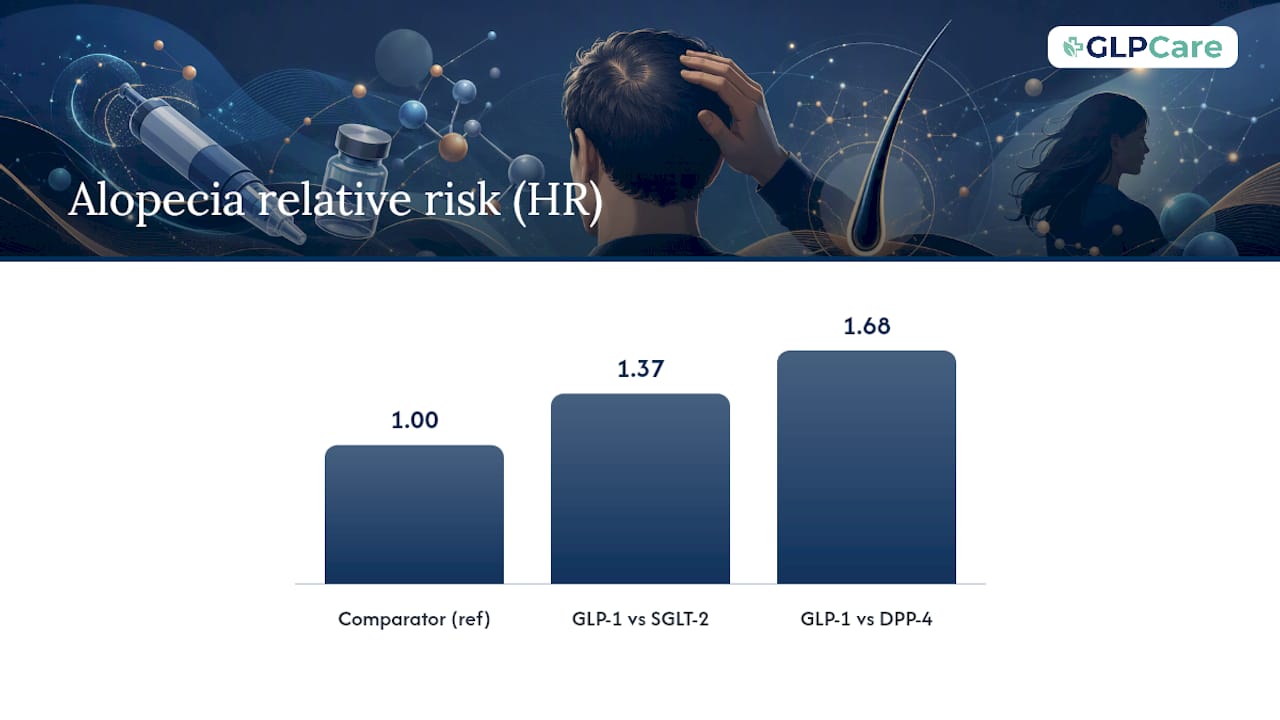
Semaglutide and other GLP-1 receptor agonists are linked to a higher rate of non-scarring hair loss in observational studies and postmarketing reports, but the absolute risk stays low for most people. Association is not the same as proof of cause, so if you’re noticing shedding, talk with your prescriber before making any changes to your dose. One target-trial emulation found GLP-1 drug users had a 37% to 68% higher relative risk of alopecia compared with two other diabetes drug classes, and the FDA’s adverse event system has logged a rising number of hair-loss reports tied to semaglutide.
Key Takeaways
Semaglutide is associated with a modestly higher rate of reversible, non-scarring hair shedding, most often driven by rapid weight loss and nutrient gaps rather than the drug itself.
| Point | Details |
|---|---|
| Risk is real but small | GLP-1 drugs carry a higher relative risk of alopecia (HR 1.37–1.68 versus other diabetes drugs), but absolute risk stays low. |
| Telogen effluvium is the likely cause | Diffuse, non-scarring shedding two to four months after rapid weight loss fits the pattern seen in most reports. |
| Labs matter | Ask for ferritin, thyroid panel, vitamin D, and zinc within weeks of noticing increased shedding. |
| Don’t stop your medication alone | Contact your prescriber to discuss pacing or dose adjustments instead of discontinuing semaglutide on your own. |
| Glpcare adds monitoring | Clinician support, nutrition coaching, and the GLP Care Band help track weight-loss pace before hair loss becomes a bigger problem. |
Table of Contents
- Does Semaglutide Cause Hair Loss? What the Research Shows
- Why Would a Weight Loss Drug Trigger Hair Shedding?
- What to Do the Moment You Notice More Shedding
- Treating and Preventing Hair Thinning With Semaglutide
- How Long Does GLP-1 Hair Loss Last?
- Red Flags That Mean It’s Time to Call a Dermatologist
- What We Still Don’t Know
- How Glpcare Thinks About This Trade-Off
- Worried About Hair Thinning on Semaglutide? Here’s a More Watched Path
- Where to Read the Research Yourself
- Sources
- FAQ
Does Semaglutide Cause Hair Loss? What the Research Shows
The clearest data point comes from a large BMJ target-trial emulation, which found people starting a GLP-1 receptor agonist had a higher incidence of clinically recorded, non-scarring alopecia than people starting an SGLT-2 inhibitor (adjusted hazard ratio 1.37) or a DPP-4 inhibitor (adjusted hazard ratio 1.68). Those numbers sound alarming out of context, but the study’s authors were careful to note that absolute risk remained small even with the relative increase.
Semaglutide’s own weight-management product label lists hair loss among trial-reported adverse reactions, with a noticeably higher rate on the active drug than on placebo. Separately, disproportionality analyses of pharmacovigilance databases including FAERS, VigiBase, and EudraVigilance have found elevated reporting odds for alopecia tied to semaglutide and tirzepatide compared with other medications. A dermatology-focused review of the case reports and cohort data reached a similar conclusion: the signal is consistent, but causation hasn’t been nailed down.
None of these sources proves semaglutide directly causes hair to fall out. They share the same structural limits:
- Observational design, so confounding variables aren’t fully controlled
- Weight loss itself is a known trigger for shedding, making it hard to isolate the drug’s independent effect
- Inconsistent definitions of “hair loss” across studies and adverse event reports
- Limited prospective, controlled trial data designed specifically to track hair outcomes over time
Why Would a Weight Loss Drug Trigger Hair Shedding?
Semaglutide doesn’t attack hair follicles directly. The more likely explanation is something your body does to itself when it loses weight quickly, and a few mechanisms are worth understanding:
- Telogen effluvium. A stress event, in this case rapid weight loss, pushes a larger-than-normal share of hair follicles into the resting (telogen) phase early, causing diffuse shedding weeks to months later.
- Nutrient deficiency. Sharply reduced appetite can mean less iron, zinc, protein, vitamin D, and biotin, all of which hair follicles need to keep cycling normally.
- Thyroid or endocrine shifts. Significant weight change can alter thyroid hormone levels, which independently affects hair growth cycles.
- Immune-mediated alopecia. Rare, but existing autoimmune hair conditions like alopecia areata can flare during periods of physiological stress.
For most people, telogen effluvium is the leading explanation, because the timing lines up: shedding tends to show up months after treatment starts or after a steep drop in calorie intake, and it follows the diffuse, non-scarring pattern seen in the clinical data rather than patchy or scarring loss.
Pro Tip: If you’ve lost more than 15% to 20% of your body weight quickly, or you’re eating far below your usual calorie intake, treat that pace as a flag worth mentioning at your next appointment, before shedding even starts.

What to Do the Moment You Notice More Shedding
Panic doesn’t help your hair regrow faster, but a methodical response does. Work through these steps in order:
- Document it. Note when the shedding started, and take dated photos of your part line or brush/drain buildup so you can track change over time.
- Review your intake. Look honestly at how much you’re actually eating. Appetite suppression from semaglutide often means far less protein and fewer micronutrients than you think.
- Consider your pace. Rapid weight loss is a bigger driver of shedding risk than slow, steady loss, so this is worth flagging even before labs come back.
- Call your prescriber, don’t stop the drug. Semaglutide shouldn’t be discontinued abruptly on your own; a dose adjustment or referral is a conversation, not a DIY decision.
When you talk with your care team, ask about baseline labs to rule out (or confirm) a treatable driver:
- CBC and ferritin (iron stores affect hair cycling well before anemia shows up)
- Thyroid panel: TSH, with free T4 if TSH is abnormal
- Vitamin D
- Zinc
- Basic metabolic panel to check overall nutritional status
Getting labs drawn within a few weeks of noticing increased shedding gives your clinician the clearest picture of what’s driving it.
Treating and Preventing Hair Thinning With Semaglutide
Most telogen effluvium resolves once the underlying trigger is corrected, and treatment usually starts with the basics rather than anything dramatic:
- Correct documented deficiencies. Supplement iron, zinc, or vitamin D only if labs confirm a shortfall; blanket supplementation without a documented deficiency rarely moves the needle.
- Add topical minoxidil. It’s the most widely used over-the-counter option for diffuse shedding and works by prolonging the growth phase of existing follicles.
- Ease up on mechanical stress. Tight hairstyles, aggressive brushing, and heat styling all compound shedding that’s already underway.
- Loop in dermatology when shedding is severe or prolonged. A dermatologist can add oral therapies or in-office procedures and rule out other causes like androgenetic alopecia or alopecia areata.
On the prevention side, the American Academy of Dermatology recommends pacing weight loss and keeping protein and micronutrient intake adequate rather than waiting for a problem to show up. Regrowth is measured in months, not weeks, so set expectations accordingly. This is also where the calculus matters most: for many patients, the metabolic benefits of semaglutide outweigh a temporary, reversible cosmetic side effect, and that trade-off is worth discussing openly with your prescriber rather than assuming the worst.
How Long Does GLP-1 Hair Loss Last?
Telogen effluvium follows a fairly predictable arc: shedding typically begins two to four months after the triggering event, whether that’s the medication itself or the rapid weight loss it causes, then peaks before tapering off.
- Regrowth usually starts within three to twelve months once the trigger resolves
- The pattern is almost always non-scarring, meaning follicles stay intact and are capable of producing hair again
- Exceptions exist. If you already have androgenetic alopecia or alopecia areata, semaglutide-related stress could flare an existing condition rather than cause a new, self-resolving one, which changes the prognosis and the treatment approach
Red Flags That Mean It’s Time to Call a Dermatologist
Most GLP-1-related shedding is diffuse and gradual, so anything that breaks that pattern deserves a closer look:
- Sudden, patchy hair loss rather than overall thinning
- Scalp pain, redness, or signs of scarring
- Symptoms suggesting a broader illness, like fatigue, fever, or unexplained weight changes beyond what’s expected
- Distress that’s affecting your daily life or mental health
Bring your medication list, a rough timeline of when shedding started, recent weight changes, any lab results, and notes on your eating habits. A dermatology referral is appropriate when shedding is patchy, prolonged, or not improving with basic nutritional correction.
What We Still Don’t Know
Researchers haven’t settled several key questions: whether the semaglutide/alopecia link is truly causal, whether risk scales with dose, whether rapid weight loss matters more than gradual loss, and which patients are more genetically or metabolically susceptible. Prospective trial data designed specifically to track hair outcomes is still limited.
The practical takeaway in the meantime:
- Get baseline labs before or early in treatment, not after shedding starts
- Watch your pace of weight loss, especially if you’re losing quickly
- Partner with dermatology early if shedding is more than mild or isn’t resolving
How Glpcare Thinks About This Trade-Off
Glpcare pairs clinician oversight with nutrition coaching and wearable tracking so rapid, undermonitored weight loss, the biggest modifiable driver of hair shedding, doesn’t go unnoticed. If you’re worried about hair thinning with semaglutide, bring it to your care team.
Worried About Hair Thinning on Semaglutide? Here’s a More Watched Path
Most people managing this concern on their own are stuck cross-referencing forum posts and guessing at their protein intake, without anyone watching the pace of their weight loss until a problem is already visible. Glpcare’s compounded semaglutide program pairs your prescription with licensed clinician support, so dose adjustments and hair-related concerns get a real conversation instead of silence between refills.

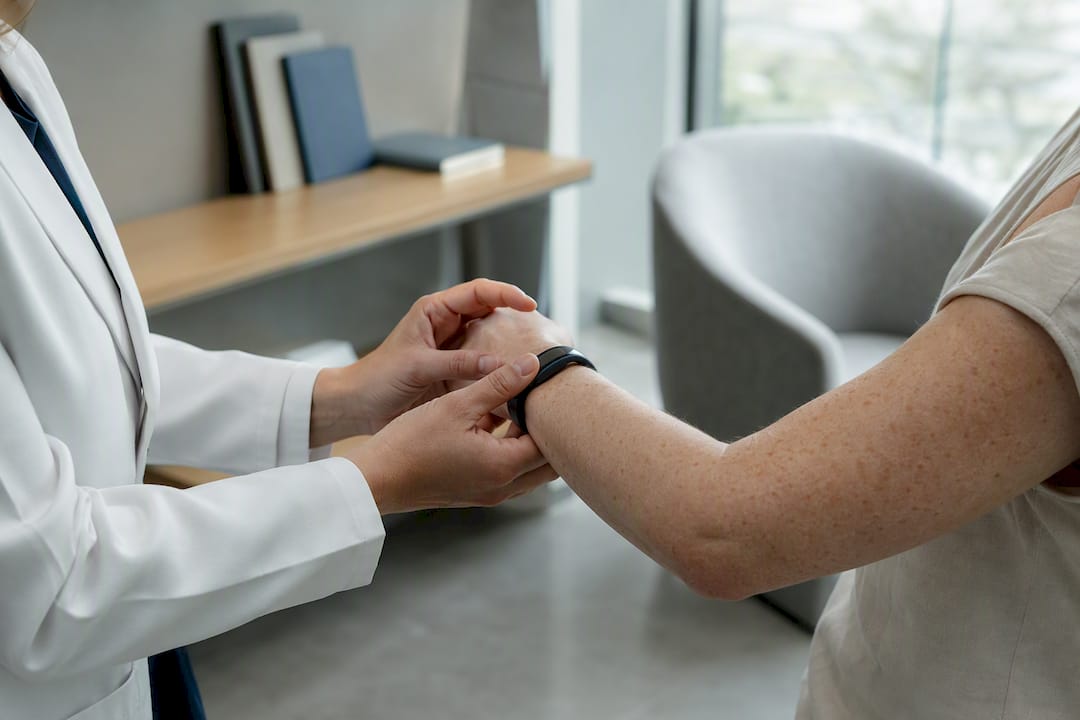
The GLP Care Band tracks activity, sleep, and recovery in real time, giving your care team objective data on how fast you’re actually losing weight, not just what the scale says once a month. Pair that with the protein intake calculator to keep your nutrition aligned with your weight-loss pace, one of the clearest levers for reducing telogen effluvium risk. If hair loss, or eligibility for GLP-1 therapy in general, is on your mind, take the GLP-1 Readiness Quiz to see what a monitored, clinician-backed plan could look like for you.
Where to Read the Research Yourself
- BMJ target-trial emulation: the largest study on GLP-1 drugs and alopecia risk, with hazard ratios and study limitations
- PubMed study: the underlying target-trial emulation data on relative risk
- PMC dermatology review: a synthesis of case reports and cohort findings
- American Academy of Dermatology: clinical guidance on GLP-1 effects on skin, hair, and nails
This article is general information, not a substitute for advice from a qualified doctor. Consult a qualified healthcare professional about your own circumstances before acting on anything here.
Sources
- PubMed: GLP‑1 receptor agonists and risk of alopecia (target trial emulation)
- Risk of hair loss associated with glucagon-like peptide-1 receptor agonists in adults with type 2 diabetes: target trial emulation | The BMJ
- PMCID review: Dermatologic complications associated with semaglutide and GLP‑1 agonists
- American Academy of Dermatology: How can GLP‑1 drugs affect my skin, hair, and nails?
FAQ
How do I stop hair loss from semaglutide?
Correct any documented nutrient deficiencies, slow your rate of weight loss if it’s steep, and ask your prescriber whether a dose adjustment makes sense; stopping the medication without medical guidance isn’t recommended.
Is GLP-1 hair loss reversible?
Yes, in most cases. The shedding pattern linked to GLP-1 drugs is almost always non-scarring, meaning follicles stay intact and regrowth is expected once the underlying trigger resolves.
Does hair loss from semaglutide grow back?
Regrowth typically begins three to twelve months after the trigger, whether that’s rapid weight loss or a nutrient gap, is addressed, following the same timeline as other cases of telogen effluvium.
What’s the best shampoo for thinning hair?
No shampoo reverses telogen effluvium on its own, since the shedding starts at the follicle level, not the scalp surface. Topical minoxidil has the strongest track record for supporting regrowth, and a dermatologist can recommend gentle, non-stripping formulas to use alongside it.