GLP-1 and Menopause: What the Evidence Says About Safety and Results

GLP-1 and Menopause: What the Evidence Says About Safety and Results

GLP-1 therapies reduce weight and central abdominal fat in menopausal and postmenopausal women, and emerging data suggest they may ease some symptoms tied to the transition, too. An observational Mayo Clinic analysis found that postmenopausal women on menopausal hormone therapy (MHT) lost noticeably more weight on tirzepatide than women taking tirzepatide alone. That is a meaningful signal, though the study was observational, not a randomized trial, so it shows an association rather than proof that MHT causes the extra loss.
Before you start, three safety checks matter more than the number on the scale:
- Bone density: get a baseline DXA scan if you have osteoporosis risk factors, since rapid weight loss can affect bone health during a period when estrogen decline already raises fracture risk.
- Muscle mass: GLP-1s reduce lean tissue along with fat, so a protein and resistance-training plan needs to start on day one, not after you notice strength loss.
- Pregnancy and lactation: GLP-1 use during pregnancy generally is not recommended, and perimenopausal women who could still conceive need a clear contraception plan while on therapy.
Pro Tip: Bring a list of your current medications, including any MHT, to your first GLP-1 consultation. The combination changes how your clinician should structure monitoring and titration from week one.
Your first move should be a conversation with a clinician who can co-manage MHT and GLP-1 therapy together, order baseline labs and a DXA scan, and set a protein and exercise target before your first dose.
Key Takeaways
GLP-1 therapy paired with individualized monitoring, and often menopausal hormone therapy, delivers the most reliable weight and metabolic results currently documented for menopausal women.
| Point | Details |
|---|---|
| MHT combination shows added benefit | Postmenopausal women on both tirzepatide and MHT lost about 35% more weight than tirzepatide alone in one observational study. |
| Bone monitoring is non-negotiable | Get a baseline DXA scan before starting therapy if you have osteoporosis risk factors, and repeat it during treatment. |
| Muscle loss requires active countermeasures | Target 1.0 to 1.2 grams of protein per kilogram daily plus resistance training two to three times weekly. |
| Titration pace affects tolerability | Slower dose increases tend to reduce GI side effects and support better long-term adherence in menopausal patients. |
| Integrated monitoring closes the gap | Glpcare pairs GLP-1 prescriptions with wearable tracking, nutrition coaching, and clinician follow-up to operationalize these safety checks. |
Table of Contents
- How GLP-1 and Menopause Interact at the Metabolic Level
- Why Menopause Makes Weight Harder to Manage
- What the Mayo Clinic Tirzepatide Study Means for MHT Users
- Does GLP-1 Therapy Affect Bone Density in Menopausal Women?
- Protecting Muscle Mass While Losing Weight on GLP-1s
- Managing GLP-1 Side Effects During Menopause
- GLP-1 Effects on Hot Flashes, Sleep Apnea, and Mood
- How Glpcare Builds Safety Into GLP-1 Care for Menopausal Women
- An Editorial Take on Treating GLP-1 and Menopause Together
- Get Started With Menopause-Focused GLP-1 Care
- Sources
- FAQ
How GLP-1 and Menopause Interact at the Metabolic Level
GLP-1 receptor agonists mimic a gut hormone called glucagon-like peptide-1, which your body releases after eating. The medication slows gastric emptying, signals fullness to appetite centers in the brain, and improves insulin sensitivity. None of that is menopause-specific, but the timing matters: these mechanisms intersect with metabolic shifts that make midlife weight gain stubborn in ways it was not in your 30s.
The appetite-suppressing effect happens mostly in the hypothalamus, where GLP-1 receptors reduce hunger signals and increase satiety after smaller meals. Slower gastric emptying extends that fullness, which is part of why nausea shows up early in treatment. Improved insulin sensitivity matters even more in menopause, since declining estrogen is linked to increased insulin resistance and a shift toward central fat storage.
That shift toward visceral fat, the kind that wraps around organs rather than sitting under the skin, is exactly where GLP-1s appear to have an outsized effect. The scoping review of GLP-1 receptor agonists in menopause found these medications associated with reduced central adiposity specifically, not just overall weight loss.
Common GLP-1 receptor agonist classes used for weight management include:
- Once-weekly injectable formulations that target GLP-1 receptors alone
- Dual GLP-1/GIP receptor agonists that add a second gut-hormone pathway
- Oral formulations, still less common for weight-focused dosing
Glpcare’s blog on GLP-1 basics covers the mechanism in more depth if you want the full pharmacology. For now, the practical takeaway is this: the drug class targets the same visceral fat that menopause tends to accumulate, which is why the two topics keep showing up together in the research.
Why Menopause Makes Weight Harder to Manage
Weight gain during perimenopause and beyond is not a willpower problem, and treating it like one is where a lot of standard advice goes wrong. Estrogen decline directly promotes fat redistribution from hips and thighs toward the abdomen, and it also correlates with a drop in resting metabolic rate. You can eat the same way you did at 40 and still gain weight at 52, because your body is burning less at rest and storing differently.
Sleep takes a hit too. Hot flashes and night sweats fragment sleep architecture, and poor sleep independently drives up cortisol and appetite-regulating hormones like ghrelin. Menopause also raises the risk of obstructive sleep apnea (OSA), partly through weight gain and partly through hormonal changes affecting airway muscle tone. That creates a cycle: worse sleep drives more weight gain, and more weight gain worsens sleep apnea risk.
A few concrete changes show up during this window:
- Resting metabolic rate typically declines, meaning fewer calories burned for the same activity level.
- Central fat distribution replaces the more even distribution common before menopause.
- Cardiometabolic risk factors, including blood pressure and LDL cholesterol, often worsen even without significant weight change.
- Sleep quality drops, which compounds appetite dysregulation and fatigue.
Roughly 42% of American adults have obesity, and midlife women carry a disproportionate share of that burden given the metabolic shifts described above. That population context is part of why targeted medical therapy, rather than diet and exercise alone, has become a serious clinical conversation for menopause weight management rather than a last resort.
What the Mayo Clinic Tirzepatide Study Means for MHT Users
The most talked-about data point in this space comes from a Mayo Clinic-led observational study showing postmenopausal women taking both tirzepatide and menopausal hormone therapy lost significantly more weight than those on tirzepatide alone. If you are already on MHT and considering GLP-1 therapy, or vice versa, that number is worth discussing directly with your prescriber.
Here is the caveat that matters: this was an observational analysis, not a randomized controlled trial. Women who choose to take MHT alongside a GLP-1 medication may differ in other ways from women who do not, whether that is engagement with their own care, baseline health status, or access to specialists. The finding is clinically meaningful, but it is a signal for further study, not a settled mechanism.
Several plausible explanations exist for the effect. Estrogen influences appetite regulation and energy expenditure independently of GLP-1 pathways, so the two therapies may work on overlapping but distinct systems. MHT also tends to improve sleep quality and reduce hot flashes, and better sleep supports better adherence to exercise and eating routines. Clinicians who work with the combination note that MHT can also improve exercise capacity and joint comfort, both of which make it easier to stay active while titrating a GLP-1 dose. A review of GLP-1RAs for menopausal symptoms similarly points out that any symptom relief from GLP-1 therapy is likely indirect, flowing through metabolic improvement rather than a direct hormonal effect, and should not replace MHT as the established VMS treatment.
Pro Tip: If you’re on MHT and starting a GLP-1, ask your clinician whether your MHT dose or delivery method needs review, since weight change itself can affect how some hormone formulations are absorbed and metabolized.
For a woman who might be a reasonable candidate for combined therapy, three baseline steps apply before starting either medication or adding the second one:
- Confirm menopausal status and MHT candidacy with your prescriber, including breast and cardiovascular risk screening.
- Get baseline metabolic labs (A1C, lipid panel, liver enzymes) and a DXA scan if osteoporosis risk factors are present.
- Set a follow-up schedule, typically at 4, 12, and 24 weeks, to track weight, side effects, and symptom changes together rather than treating the two therapies as separate tracks.
Does GLP-1 Therapy Affect Bone Density in Menopausal Women?
The bone data is genuinely mixed, and anyone telling you it is settled either way is oversimplifying. Estrogen decline itself accelerates bone loss during menopause, which is already a known driver of fracture risk independent of anything related to GLP-1 therapy. Layering rapid weight loss on top of that risk is where the caution comes in, since significant weight loss from any cause can reduce bone mineral density.
Trial data on GLP-1s specifically is inconsistent across agents. Some diabetes trials involving older GLP-1 medications like liraglutide and lixisenatide showed reduced fracture risk, while data on newer agents including semaglutide and exenatide has been more neutral or uncertain. None of these trials were designed around menopausal or postmenopausal populations specifically, which is exactly the gap the scoping review on GLP-1RAs and menopause flags as a priority for future research.
Given that uncertainty, a practical monitoring sequence makes sense for menopausal women starting GLP-1 therapy:
- Get a baseline DXA scan before starting therapy if you have any osteoporosis risk factors, including family history, prior fracture, or long-term steroid use. NIAMS guidance on interpreting DXA results is a useful reference for understanding your T-score.
- Optimize calcium and vitamin D intake through diet or supplementation, confirmed with a blood test rather than assumed.
- Add a fall-prevention conversation to your plan, particularly if you are losing weight quickly, since rapid changes in body composition can affect balance and proprioception temporarily.
- Discuss MHT’s bone-protective effect with your clinician if you are a candidate, since estrogen therapy is one of the few interventions with strong evidence for preserving bone density during menopause.
- Repeat DXA scanning at the interval your clinician recommends, generally every one to two years, to track any changes tied to weight loss.
Pro Tip: If your baseline DXA shows osteopenia or osteoporosis, ask your prescriber whether a slower weight-loss target or a bone specialist referral makes sense before you start aggressive GLP-1 titration.
If a follow-up scan shows accelerated bone loss, that is the point to loop in an osteoporosis specialist rather than pushing forward on the same dosing plan. Adjusting the pace of weight loss, adding weight-bearing exercise, or revisiting MHT candidacy are all reasonable next steps depending on what the specialist finds.
Protecting Muscle Mass While Losing Weight on GLP-1s
GLP-1 medications do not selectively burn fat. Studies consistently show that a portion of weight lost on these drugs comes from lean tissue, and that matters more in menopause than at almost any other life stage, because you are already losing muscle mass at a faster rate due to estrogen decline. Losing muscle on top of that trajectory can leave you lighter on the scale but weaker and more metabolically vulnerable than before you started.

The fix is not complicated, but it does require deliberate planning rather than hoping it works out. Protein intake needs to sit around 1.0 to 1.2 grams per kilogram of body weight per day for older adults losing weight, a target well above what most general nutrition guidance recommends. Glpcare’s protein intake calculator can help you translate that ratio into an actual daily gram target based on your current weight, rather than guessing.
Resistance training two to three times a week is the second pillar, and it does not need to be complicated to work. Bodyweight squats, resistance bands, or light dumbbells performed consistently outperform sporadic high-intensity workouts for lean mass preservation, since muscle responds to regular mechanical stress more than occasional maximal effort.
On dosing, slower titration schedules tend to work better for menopausal patients specifically. Fluctuating energy and appetite during this life stage can make standard dose-escalation timelines feel harder to tolerate than they would at a younger age, and a slower uptitration approach often preserves adherence better than pushing to a higher dose on the standard timeline.
Pro Tip: Track a simple strength marker, like how many sit-to-stands you can do in 30 seconds, every four weeks. It is a faster warning sign of muscle loss than the scale.
Managing GLP-1 Side Effects During Menopause
Nausea, constipation, and fatigue are the most commonly reported side effects during GLP-1 titration, and they tend to cluster in the first few weeks after each dose increase rather than staying constant throughout treatment. Menopausal women sometimes report these effects feeling more intense, likely because GI symptoms and fatigue overlap with menopause symptoms they are already managing, which makes it harder to tell which cause is which.
A stepped approach handles most of this without requiring a medication change:
- Slow the titration schedule if nausea is significant, even if it means staying on a lower dose longer than the standard protocol suggests.
- Shift toward smaller, lower-fat meals during the first week after each dose increase, since fatty meals slow gastric emptying further and worsen nausea.
- Stay ahead of hydration and fiber intake to manage constipation before it becomes uncomfortable enough to affect adherence.
- Check thyroid and metabolic labs if fatigue persists beyond the first month, since menopause-related thyroid changes can compound GLP-1 fatigue and deserve their own evaluation.
Beyond the physical side effects, discontinuation carries its own risk that is easy to underestimate. Glpcare’s guide on managing appetite changes covers nutrition strategies for the adjustment period in more detail. On the psychosocial side, RAND’s commentary on perimenopausal GLP-1 use points to high discontinuation rates and the emotional weight cycling that can follow, underscoring why a stop-and-restart plan should be discussed before you begin, not after appetite returns.
GLP-1 Effects on Hot Flashes, Sleep Apnea, and Mood
The evidence on vasomotor symptoms specifically is preliminary but genuinely interesting. A scoping review found that GLP-1RAs may reduce hot flashes and central adiposity together in some menopausal patients, though the studies behind that finding are small and not designed as VMS trials from the start.

Sleep apnea shows a more established, if still limited, signal. Trial-level data on GLP-1 use has found improvements in apnea-hypopnea index scores in some patients, plausibly linked to weight loss reducing airway obstruction rather than any direct effect on breathing regulation.
What warrants closer prospective tracking, rather than assumption either way:
- Whether VMS improvement holds up in larger, purpose-built trials rather than secondary findings from weight-loss studies.
- How consistently OSA severity improves across different GLP-1 agents and starting body weights.
- Whether mood and quality-of-life gains reported anecdotally reflect the medication itself or the downstream effect of better sleep and reduced weight-related discomfort.
None of this replaces MHT as the established VMS treatment. Think of it as a possible secondary benefit worth monitoring, not a reason to choose a GLP-1 over hormone therapy if VMS is your primary concern.
How Glpcare Builds Safety Into GLP-1 Care for Menopausal Women
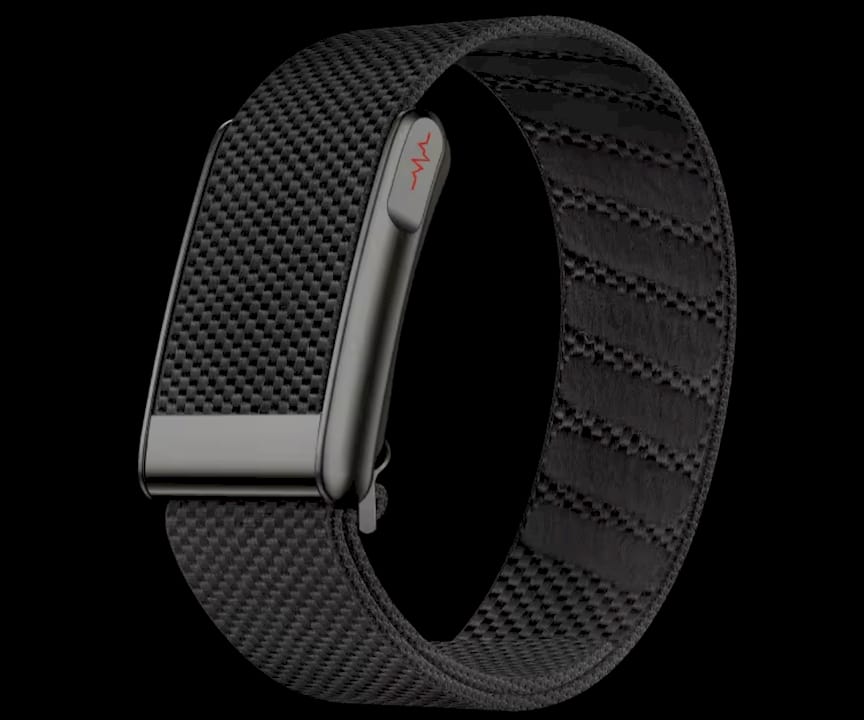
Everything covered so far, the DXA scans, protein targets, titration pacing, and MHT coordination, only works if someone is actually tracking it consistently. That is the gap Glpcare is built around: an integrated system pairing prescription GLP-1 therapy with personalized nutrition coaching and a screenless fitness band designed to catch problems before they show up as a bad DXA result six months later.
The wearable tracks sleep, heart rate, and activity levels continuously, and you log dosing and dietary habits alongside it, giving your care team a fuller picture than a quarterly appointment ever could.
The goal is not just watching the scale move. It is catching a sleep disruption, a strength decline, or a symptom pattern early enough to adjust the plan before it becomes a bigger problem.
An operational version of the monitoring checklist covered throughout this article looks like this inside a structured program:
- Baseline DXA and metabolic labs before starting therapy
- A personalized protein and resistance-training prescription from day one
- Wearable-triggered alerts when sleep or activity patterns shift unexpectedly
- Scheduled clinician touchpoints tied to titration milestones, not just calendar dates
- A documented discontinuation and weight-maintenance plan built in from the start
Clinician support runs alongside an AI companion that flags patterns in your data between visits, so questions do not sit unanswered for weeks at a time.
An Editorial Take on Treating GLP-1 and Menopause Together
The conventional framing treats GLP-1 therapy and menopause as two separate conversations happening in the same body. That is backward. Estrogen decline is doing metabolic work that a GLP-1 medication cannot fully compensate for, and a GLP-1 medication is doing appetite and insulin work that MHT was never designed to address. Treating them as one coordinated plan, rather than sequential decisions made in isolation, is where the real opportunity sits.
What gets underestimated most is the bone and muscle side of this equation. It is easy to celebrate a weight-loss number and skip the DXA scan that should have come first. The research pool here is honest about its own limits: the MHT and tirzepatide finding is observational, the bone data is genuinely mixed across agents, and menopause-specific randomized trials barely exist yet. That is not a reason to wait on treatment. It is a reason to treat every prescription as a monitoring commitment, not a one-time decision.
Get Started With Menopause-Focused GLP-1 Care
Everything in this article points to the same conclusion: GLP-1 therapy works best in menopause when it is monitored, not just prescribed. That is the gap most telehealth options leave open. A prescription alone will not flag a sleep disruption, a strength decline, or a bone density change between appointments, and those are exactly the things that matter most for you during this life stage.

Glpcare builds that monitoring into the program itself. You get GLP-1 medication (semaglutide or tirzepatide) shipped to your home, a screenless wearable tracking sleep and activity in real time, personalized nutrition coaching to hit your protein targets, and clinician support that reviews your data between visits instead of waiting for the next appointment. Plans exist whether you already have a prescription or are starting from scratch.
If you are not sure where you fall clinically, the GLP-1 Readiness Quiz takes a few minutes and gives you a clearer picture of your options before you book a consultation. From there, you can review the full precision care program and see exactly how the wearable, coaching, and clinician support fit together for your situation.
This article is general information, not a substitute for advice from a qualified doctor. Consult a qualified healthcare professional about your own circumstances before acting on anything here.
Sources
- New study links combination of hormone therapy and tirzepatide to greater weight loss after menopause - Mayo Clinic News Network
- Glucagon-Like Peptide-1 Receptor Agonists (GLP-1RAs) for Obesity and Symptoms in Menopause: A Review
- GLP-1 agonists in perimenopause: unique risks and potential opportunities | RAND
- Adult obesity facts | CDC
- Bone mineral density tests: what numbers mean | NIAMS
FAQ
Which GLP-1 Is Best for Menopause Weight Loss?
No single GLP-1 is officially designated “best” for menopause, but the Mayo Clinic observational study found tirzepatide combined with MHT produced about 35% greater weight loss than tirzepatide alone, making that combination the most studied option so far.
Can GLP-1 Get Rid of Menopause Belly?
GLP-1 therapies are specifically associated with reduced central adiposity, the visceral fat pattern common in menopause, according to a scoping review, though results vary by individual and larger trials are still needed.
Is Weight Loss Harder During Menopause?
Yes. Estrogen decline lowers resting metabolic rate and shifts fat storage toward the abdomen, which is part of why 42% of American adults have obesity and why midlife women often see standard diet and exercise approaches stop working as well as they once did.
What Does Jennifer Aniston Use for Menopause?
Public reporting on celebrity wellness routines does not represent verified medical guidance, and no clinical source confirms a specific menopause protocol. Any GLP-1 or MHT decision should come from your own clinician based on your labs and risk profile, not a celebrity’s stated routine.
Should I Get a DXA Scan Before Starting a GLP-1?
If you have osteoporosis risk factors, including family history or prior fracture, NIAMS guidance supports a baseline DXA scan before starting significant weight-loss therapy, with follow-up scans during treatment.