Electrolytes on GLP-1: What You Need to Know
Electrolytes on GLP-1: What You Need to Know
If you’re taking semaglutide (Ozempic, Wegovy) or tirzepatide (Mounjaro, Zepbound) and feeling dizzy, crampy, or just “off,” electrolytes may be part of the answer. For most GLP-1 users with normal food and fluid intake, daily electrolyte packets aren’t necessary. But when nausea, vomiting, diarrhea, or very low appetite reduce what you’re taking in, replacing fluids and electrolytes becomes genuinely important, not optional.
Here’s what to do right now if you’re symptomatic:
- Sip small amounts frequently. Even 1–2 oz every 10–15 minutes is better than forcing large amounts that trigger more nausea.
- Use an oral rehydration solution (ORS) if you’ve had repeated vomiting, diarrhea, or dizziness on standing. Plain water alone won’t replace sodium and potassium.
- Pause intense exercise until you feel stable and can keep fluids down.
- Contact your prescriber for symptoms that persist beyond 24 hours, or for any confusion, fainting, or very low urine output.
Safety note: If you have chronic kidney disease (CKD), heart failure, or take diuretics, ACE inhibitors, or ARBs, check with your clinician before making any significant changes to your electrolyte intake.
Pro Tip: Keep a small bottle of low-sugar ORS or electrolyte broth at home before you need it. Waiting until you’re already symptomatic to go shopping makes a manageable situation harder.
Key Takeaways
Electrolytes matter most on GLP-1 therapy when GI losses, very low intake, or comorbid conditions are present; food and water first is the right default for stable users.
| Point | Details |
|---|---|
| When electrolytes matter | Replace fluids and electrolytes when you have vomiting, diarrhea, dizziness, or very low food intake. |
| First-line prevention | Prioritize salted broth, potassium-rich foods, and magnesium-rich foods before reaching for supplements. |
| Acute-loss protocol | Sip ORS in small amounts every 10–15 minutes; escalate to your prescriber if you can’t keep fluids down for 24 hours. |
| When to get labs | Request a basic metabolic panel and serum magnesium if symptoms persist, or if you have CKD, heart failure, or take diuretics or RAAS inhibitors. |
| Glpcare’s role | Glpcare combines clinician oversight, wearable biometric tracking, and nutrition coaching to catch electrolyte issues earlier and guide personalized repletion. |
This article provides general health information and is not a substitute for professional medical advice. Confirm current recommendations and your individual needs with your prescribing clinician or a qualified healthcare provider.
Table of Contents
- How do GLP-1 medications affect your electrolyte balance?
- Which electrolytes are most affected on GLP-1 therapy?
- What symptoms should you watch for, and when is it urgent?
- How can you prevent and manage electrolyte imbalances day to day?
- What should you do during acute vomiting or diarrhea?
- When should you get labs, and which tests matter?
- How can monitoring tools and clinician support help you catch problems early?
- A practical perspective on managing electrolytes on GLP-1
- Glpcare supports your GLP-1 care beyond the prescription
- Sources
- FAQ
How do GLP-1 medications affect your electrolyte balance?
The connection between electrolytes on GLP-1 therapy and fluid shifts runs deeper than most people expect. Two distinct mechanisms are at work: direct renal effects and indirect effects from reduced intake and GI losses.
Direct renal effects
Animal and small clinical studies report that GLP-1 receptor activity can increase urine flow and renal sodium excretion (natriuresis), likely through effects on the proximal tubule sodium-hydrogen exchanger NHE3. One randomized crossover trial found GLP-1 infusion increased renal sodium clearance substantially and reduced angiotensin II levels. These are short-term physiologic findings from small samples and animal models, so they warrant cautious interpretation. Still, they suggest GLP-1 activity may have a real, direct influence on how your kidneys handle sodium and water.
Indirect effects from reduced intake and GI losses
Appetite suppression is the point of these medications, but it also means you’re eating and drinking less. Nausea, vomiting, and diarrhea, which are common early side effects, reduce both fluid and electrolyte intake further. Add heat exposure or exercise to the mix, and losses can accumulate quickly.
- Reduced food intake lowers potassium, magnesium, and sodium from dietary sources.
- Vomiting and diarrhea cause direct losses of sodium, potassium, and chloride.
- Slowed gastric emptying can make it harder to rehydrate quickly even when you’re trying.
The FDA’s product labeling for GLP-1 medications includes explicit warnings about dehydration and kidney injury related to vomiting and reduced fluid intake, and recommends clinician evaluation when these symptoms persist. For most stable users eating regular meals, routine electrolyte supplementation isn’t needed. Risk rises meaningfully when GI symptoms appear, intake drops sharply, or comorbid conditions are present.
Which electrolytes are most affected on GLP-1 therapy?
Sodium, potassium, and magnesium are the three electrolytes most commonly discussed in both clinician and patient-facing resources for GLP-1 users. Each plays a different role, and each falls for slightly different reasons.
| Electrolyte | Main role | Common deficit signs | Quick food or supplement fix |
|---|---|---|---|
| Sodium | Fluid balance, nerve signaling, blood pressure | Dizziness, headache, nausea, confusion | Salted broth, salted crackers, pickles |
| Potassium | Muscle contraction, heart rhythm, nerve function | Muscle cramps, weakness, palpitations, fatigue | Baked potato with skin, yogurt, avocado, banana |
| Magnesium | Muscle relaxation, sleep, bowel motility | Leg cramps, insomnia, constipation, anxiety | Leafy greens, nuts, seeds; magnesium glycinate or citrate supplement |
Sodium tends to fall when you’re drinking large amounts of plain water without replacing what’s lost through sweat or GI losses, or when food intake drops sharply. Salted broth is one of the most practical fixes because it’s easy to sip even when nausea is present.
Potassium levels can slip when you’re eating less fruit, vegetables, and dairy. Muscle cramps and palpitations are the most common signals. Dietary sources are almost always preferable to supplements, since potassium supplements carry real risks if you have kidney disease or take certain blood pressure medications.
Magnesium is already low in many American adults before they start a GLP-1. When food intake drops further, the deficit deepens. Magnesium glycinate is generally better tolerated for sleep and cramp relief; magnesium citrate has a mild laxative effect that can help with constipation but may worsen diarrhea. Serum magnesium testing is the standard clinical way to confirm a deficiency, though lab values have limits and clinicians interpret them alongside your symptoms.
What symptoms should you watch for, and when is it urgent?
Electrolyte depletion rarely announces itself clearly. Symptoms overlap with medication side effects, low blood sugar, and simple fatigue, which is exactly why knowing the tiers matters.
Mild symptoms (self-monitor, adjust intake):
- Thirst and dry mouth
- Mild headache
- Brief dizziness when standing up quickly
- Mild fatigue or muscle heaviness
Moderate symptoms (contact your prescriber soon):
- Persistent lightheadedness when standing (orthostatic symptoms)
- Muscle cramps that don’t resolve with rest or food
- Heart palpitations
- Noticeably reduced urine output
Urgent symptoms (seek care immediately):
- Confusion or difficulty thinking clearly
- Fainting or near-fainting
- Very low or no urine output for several hours
- Persistent vomiting that prevents any fluid intake
- Chest pain or severe palpitations
Clinical note: Dizziness on GLP-1 medications can come from several sources: electrolyte shifts, low blood pressure from reduced caloric intake, blood sugar changes, or medication side effects. A clinician evaluation, including a basic metabolic panel, is the only reliable way to identify the cause and guide the right fix. Don’t assume it’s “just dehydration” if symptoms are persistent or worsening.
How can you prevent and manage electrolyte imbalances day to day?
Prevention is mostly about consistent habits, not expensive supplements. A food-first, water-first approach works for the majority of GLP-1 users most of the time.

Daily hydration baseline
General guidance for adults suggests roughly 2.7–3.7 liters of total water daily from all sources (food and beverages), though individual needs vary by body size, activity, and climate. On GLP-1 medications, nausea can make hitting that target difficult. Adjust by:
- Sipping consistently throughout the day rather than drinking large amounts at once.
- Counting water-rich foods (broth, yogurt, cucumber, watermelon) toward your fluid intake.
- Increasing intake on days with exercise, heat exposure, or GI symptoms.
- Checking urine color: pale yellow is the target; dark yellow or amber signals you need more fluid.
When to use ORS vs. plain water
Plain water is fine for everyday hydration when you’re eating regular meals. An oral rehydration solution or low-sugar electrolyte drink becomes the better choice when:
- You’ve had two or more episodes of vomiting or diarrhea.
- You’re dizzy on standing and haven’t been able to eat for several hours.
- You’re sweating heavily and eating very little.
When reading labels, look for products with at least 300–500 mg of sodium per serving. Many popular sports drinks are low in sodium and high in sugar, making them a poor choice for true repletion. CDC guidance on sodium and potassium provides useful context for understanding safe intake ranges and what to watch for on labels.
Food-first strategies
Simple meals can cover most of your electrolyte needs without supplements:
- Sodium: Salted broth or miso soup, salted crackers, pickles, cottage cheese.
- Potassium: Baked potato with skin, Greek yogurt, avocado, cooked spinach, banana.
- Magnesium: Almonds, pumpkin seeds, dark leafy greens, edamame.
Supplement guidance and drug interaction cautions
Magnesium glycinate (200–400 mg at bedtime) is a reasonable starting point for cramps or sleep disruption. Magnesium citrate works for constipation but can worsen loose stools. Avoid magnesium oxide, which has poor absorption.
Before adding potassium supplements, discuss with your clinician if you:
- Have CKD or any kidney disease.
- Take ACE inhibitors, ARBs, or spironolactone (potassium-sparing medications).
- Take loop or thiazide diuretics, which increase potassium loss but interact unpredictably with supplements.
These drug interactions can push potassium too high or too low, both of which carry cardiac risk.
Practical rule: Food sources of potassium are safe for most people. Potassium supplements are where the risk concentrates. When in doubt, get a basic metabolic panel before adding them.
Pro Tip: During a nausea flare, alternate small sips of salted broth with plain water every 10–15 minutes. The sodium in the broth helps your gut absorb the water more efficiently than plain water alone.
What should you do during acute vomiting or diarrhea?
When GI losses are active, the protocol is straightforward. Follow these steps in order:
- Stop solid food temporarily if vomiting is active. Forcing food increases nausea and vomiting.
- Start small, frequent sips of ORS or electrolyte broth, 1–2 oz every 10–15 minutes.
- Rest and avoid exertion. Physical activity increases fluid and electrolyte losses.
- Advance slowly. Once you’ve kept fluids down for 1–2 hours, try bland, salty foods (crackers, broth-based soup).
- Monitor urine output. If you haven’t urinated in 6–8 hours, that’s a signal to escalate.
Call your prescriber if:
- You can’t keep any fluids down for more than 24 hours.
- You feel dizzy or lightheaded every time you stand.
- Urine output has dropped noticeably.
- Muscle weakness or palpitations are worsening.
Go to urgent care or the ER if:
- You faint or nearly faint.
- You’re confused or disoriented.
- You have chest pain or severe palpitations.
- You show signs of acute kidney injury: no urine output, severe flank pain, or extreme fatigue.
When should you get labs, and which tests matter?
Not every GLP-1 user needs routine electrolyte testing. But certain situations make lab work genuinely useful, not just precautionary.
| Lab test | What it measures | When to order it |
|---|---|---|
| Basic metabolic panel (BMP) | Sodium, potassium, chloride, bicarbonate, BUN, creatinine | Persistent symptoms, before/after dose changes, comorbid kidney or heart disease |
| Serum magnesium | Magnesium level | Cramps, insomnia, constipation, or reduced intake lasting more than a week |
| ECG | Heart rhythm | Palpitations, significant potassium or magnesium abnormality on labs |
Who should prioritize testing:
- People with persistent vomiting or diarrhea lasting more than 48 hours.
- Anyone with orthostatic symptoms (dizziness on standing) that don’t resolve with hydration.
- Patients with CKD, heart failure, or liver disease.
- Anyone on diuretics, ACE inhibitors, ARBs, or other RAAS inhibitors.
- Patients experiencing rapid weight loss (more than 1–2 lbs per day) or a sharp drop in food intake.
A baseline BMP at the start of GLP-1 therapy is reasonable if you have any of the above risk factors. Retest after rehydration, after a medication dose change, or whenever symptoms return. Serum magnesium is not part of a standard BMP, so ask for it specifically if cramps or sleep issues are present.
How can monitoring tools and clinician support help you catch problems early?
Electrolyte imbalances rarely appear as a single dramatic event. They build gradually, and the early signals are easy to dismiss as normal GLP-1 side effects.
Certain biometric patterns can flag a problem before it becomes serious:
- A resting heart rate that’s trending upward over several days without a change in activity.
- Disrupted sleep or reduced deep sleep, which can reflect dehydration or magnesium depletion.
- Rapid day-to-day weight drops (more than 1–2 lbs per day) that suggest fluid loss rather than fat loss.
- Reduced step count or activity, which may reflect fatigue from electrolyte or fluid depletion.
Simple home checks add another layer. Weigh yourself at the same time each morning. Check urine color before your first coffee. Do a quick standing test: if you feel lightheaded within 30 seconds of standing, that’s orthostatic hypotension worth reporting.
Clinician follow-up is where these signals get interpreted correctly. A telehealth check-in that reviews your symptom pattern, recent intake, and biometric trends can catch a developing problem before it requires urgent care.
Glpcare’s integrated model combines a wearable that tracks heart rate, sleep, and activity with clinician oversight and an AI-driven app for dose and symptom tracking. The GLP-1 tracker approach is designed to surface these early signals and connect them to your care team, so you’re not interpreting data alone.
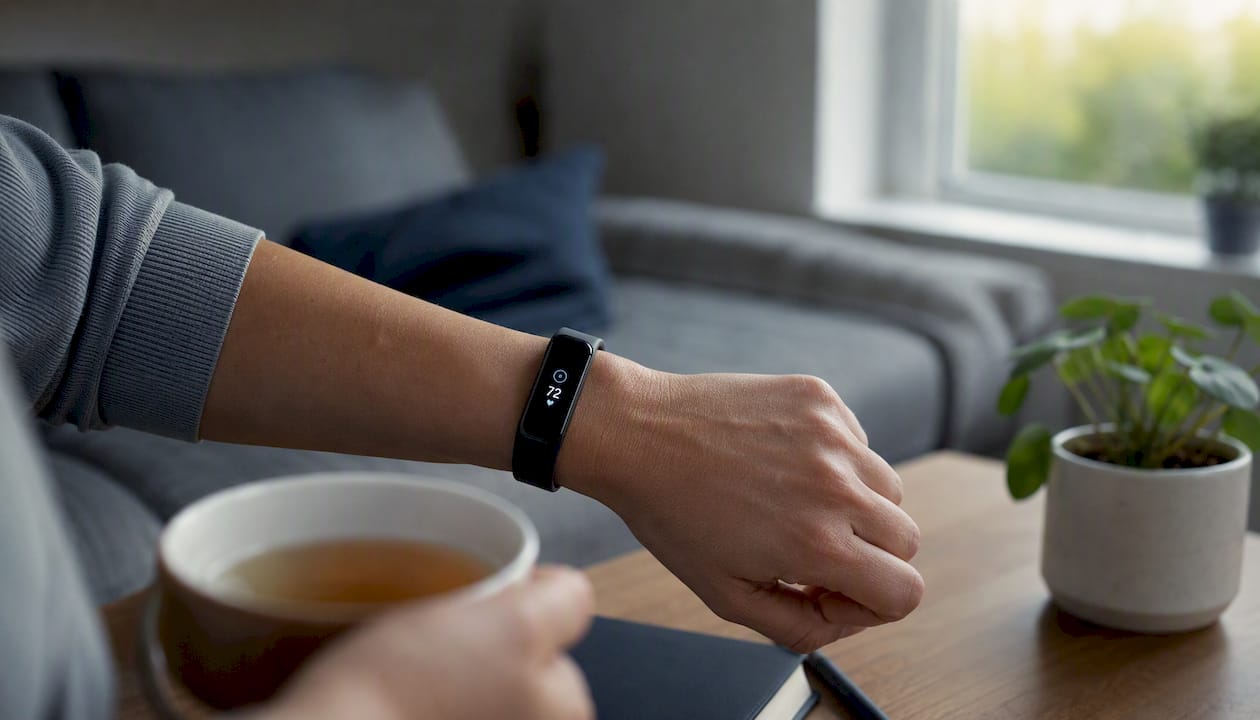
Pro Tip: Take a photo of your urine color each morning for three days when you start a new GLP-1 dose. It’s a simple, zero-cost way to track hydration trends that you can share with your clinician.
A practical perspective on managing electrolytes on GLP-1
Most people starting a GLP-1 medication don’t need to overhaul their supplement routine on day one. The practical rule is simple: food and water first, ORS when you have real losses, and labs when symptoms or comorbidities give you reason to check.
What gets underestimated is how quickly the indirect effects compound. A few days of nausea, reduced eating, and disrupted sleep can deplete magnesium and potassium enough to cause cramps and palpitations that feel alarming but are entirely correctable. The mistake is either ignoring those signals or, on the other end, loading up on potassium supplements without knowing your kidney function. Neither extreme serves you well.
If you have CKD, heart failure, or take blood pressure medications, the stakes are higher and the margin for error is smaller. Clinician-guided lab monitoring isn’t overcautious in that context. It’s the right standard of care.
Glpcare supports your GLP-1 care beyond the prescription
Managing electrolyte balance on semaglutide or tirzepatide is easier when you have a care team watching the same data you are. Glpcare’s program pairs your GLP-1 medication with personalized nutrition coaching, a wearable that tracks heart rate, sleep, and activity in real time, and licensed clinician access for telehealth visits and lab ordering.

When symptoms like dizziness, cramps, or fatigue appear, you don’t have to guess whether it’s dehydration, a medication side effect, or something that needs a lab. Your Glpcare clinician can review your biometric trends, order a basic metabolic panel or serum magnesium, and give you a personalized repletion plan, all without an in-person visit. Nutrition coaching covers practical meal planning to keep sodium, potassium, and magnesium intake consistent as your appetite changes.
Ready to see if a supervised GLP-1 program fits your situation? Take the GLP-1 readiness quiz to get started.
Sources
- Effects of GLP-1 receptor agonists on renal function and electrolyte handling — PMC
- Hydration on GLP-1: How Much Water You Actually Need | GLP-1 Answers
- Sodium and potassium health — CDC
- Magnesium blood test — MedlinePlus
FAQ
Are electrolytes necessary every day on GLP-1?
No. Most GLP-1 users eating regular meals don’t need daily electrolyte supplements. They become necessary when vomiting, diarrhea, or very low food intake reduces what you’re taking in.
What is the best electrolyte drink for GLP-1 patients?
A low-sugar oral rehydration solution with at least 300–500 mg of sodium per serving is the most clinically appropriate choice during active losses. Many popular sports drinks are too low in sodium and too high in sugar for true repletion.
Do you need electrolytes on semaglutide specifically?
The need depends on your symptoms and intake, not the drug name. Semaglutide (Ozempic, Wegovy) can cause nausea and reduced appetite that lower electrolyte intake; if those side effects are present, electrolyte replacement is appropriate.
Should you take electrolytes while on Zepbound?
The same principle applies to tirzepatide (Zepbound, Mounjaro): use electrolytes when GI symptoms or very low intake are present, not as a daily routine. If you have kidney disease or take blood pressure medications, discuss any supplementation with your clinician first.