Hims Weight Loss Side Effects: What You Need to Know

Hims Weight Loss Side Effects: What You Need to Know

Hims weight loss side effects are mostly gastrointestinal, mild, and temporary, but a small number of patients encounter serious risks that demand medical attention. Nausea is the most common complaint among patients at the top semaglutide dose. Most people tolerate treatment well: only a small percentage reported any side effects in a real-world Hims & Hers analysis, and only a small fraction described them as intolerable. That same group lost a notable amount of weight within six months.
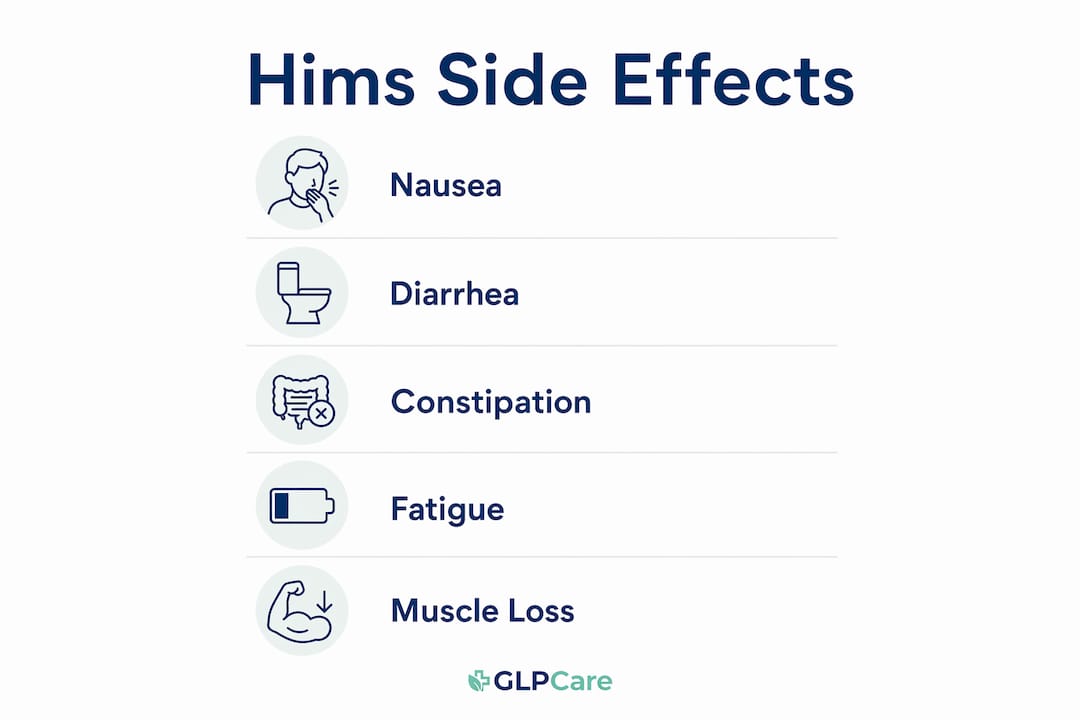
Common side effects to expect:
- Nausea (most frequent, especially after dose increases)
- Vomiting, diarrhea, and constipation
- Mild abdominal pain or bloating
- Fatigue and occasional mild headache
Rare but serious risks:
- Pancreatitis (rare incidence)
- Gallbladder disease and kidney injury from dehydration
- Thyroid C-cell tumor risk (boxed warning based on rodent studies)
- Dosing errors with compounded multi-dose vials, with more than 500 FDA adverse-event reports on record
Medical oversight is not optional here. Communicating with your provider about symptoms, especially in the first few months, is what separates a manageable adjustment from a preventable hospitalization.
How to manage the most common Hims side effects
Nausea is the side effect most people worry about, and it is also the most manageable. It typically appears within one to three days of an injection and peaks for a few days before fading. Eating smaller, lower-fat meals before your injection, staying upright after eating, and avoiding alcohol all reduce its intensity.

Diarrhea and constipation often alternate early in treatment. Staying well hydrated, increasing dietary fiber gradually, and avoiding greasy foods help stabilize digestion. Abdominal discomfort usually tracks with nausea and responds to the same dietary adjustments.
Fatigue and mild headaches are less common but real. Both tend to appear in the first few weeks and resolve as the body adapts. If fatigue persists beyond the first month, flag it with your provider since it may signal inadequate caloric intake rather than a direct drug effect.
Pro Tip: Log your symptoms after each injection using a simple note on your phone or a tracking app. Patterns become obvious fast, and your provider can use that data to adjust your titration schedule rather than guessing.
- Eat a light, low-fat meal before injecting
- Avoid large meals for two to three hours post-injection
- Drink at least 64 oz of water daily to prevent dehydration-related kidney stress
- Contact your provider before stopping treatment due to side effects; a slower titration often resolves the problem
How long do side effects typically last?
Side effects follow a predictable arc for most patients. The first four weeks are the adjustment phase: your body is meeting the medication at its lowest dose (typically 0.25 mg), and mild GI symptoms can appear within days of the first injection.
- Weeks 1–4: Mild nausea, constipation, or fullness. Usually brief and tolerable.
- Weeks 4–12: Dose escalates roughly every four weeks. Each increase can trigger a short flare of nausea or GI discomfort lasting a few days before settling.
- Month 3 onward: Most patients report that GI symptoms have largely resolved. Appetite suppression is more consistent, and weight loss accelerates.
Persistent or worsening symptoms after a dose increase, especially severe abdominal pain, vomiting that prevents eating, or signs of dehydration, warrant a call to your provider. Do not wait for a scheduled check-in.
Rare but serious side effects you should know about
Pancreatitis, gallbladder disease, and kidney injury each occur in fewer than 1% of patients, but their consequences are severe enough to take seriously. Pancreatitis presents as sudden, intense pain in the upper abdomen that may radiate to the back, often accompanied by vomiting. Stop the medication and go to an emergency room immediately if this happens.
Gallbladder disease risk increases with rapid weight loss generally, not just with GLP-1 medications. Kidney injury is almost always dehydration-driven, which is why hydration guidance is clinical, not just wellness advice.
Critical warning: GLP-1 receptor agonists carry a boxed warning for thyroid C-cell tumors based on rodent studies. Patients with a personal or family history of medullary thyroid carcinoma or Multiple Endocrine Neoplasia syndrome type 2 (MEN 2) must not use these medications. Discuss your full medical history with your prescriber before starting any GLP-1 treatment.
Compounded semaglutide from multi-dose vials carries an additional, distinct risk: dosing confusion. Patients and providers have miscalculated doses by confusing milligrams, milliliters, and “units,” sometimes administering five to twenty times the intended amount. Always confirm the exact dose and measurement unit with your prescriber before each injection.
Fatigue and muscle loss during GLP-1 treatment
Some patients report mild fatigue, particularly in the first month. This usually reflects the body adjusting to reduced caloric intake rather than a direct drug toxicity. It fades for most people once eating patterns stabilize.
Muscle loss is a more persistent concern. Rapid weight loss of any kind carries the risk of losing lean mass alongside fat, and GLP-1 treatments are no exception.
Patients receiving AI-driven nutritional coaching through Glpcare experienced minimized muscle loss despite significant weight reduction, underscoring that what you eat during treatment matters as much as the medication itself.
Protein intake is the primary lever. Targeting at least 0.7–1.0 grams of protein per pound of body weight daily helps preserve lean mass. Resistance training, even two sessions per week, compounds that effect. Glpcare’s biometric wearable tracking monitors sleep, heart rate, and activity levels in real time, giving you and your care team early warning if fatigue or muscle decline trends in the wrong direction.
- Prioritize protein at every meal
- Incorporate resistance exercise at least twice weekly
- Track sleep quality; poor sleep accelerates muscle breakdown
- Use a protein intake calculator to set a daily target
Is Hims weight loss safe? Common questions answered
Is the Hims weight loss pill safe for most people? For adults without contraindications, Hims weight loss treatments have a strong real-world safety profile. Only 4.5% of patients in a large Hims & Hers analysis reported intolerable side effects, and 75% remained on treatment at six months.
What are the biggest downsides? The most common downside is GI discomfort, especially nausea in the first few weeks. The more serious downside is the risk of dosing errors with compounded multi-dose vials, which has generated more than 500 FDA adverse-event reports.
When should you contact a provider? Reach out if you experience severe abdominal pain, persistent vomiting, signs of dehydration, or any symptoms that prevent normal eating for more than 48 hours. These are not “push through it” situations.
Who should not use Hims weight loss treatments? Anyone with a personal or family history of medullary thyroid carcinoma or MEN 2 should not use GLP-1 medications. Pregnant women and those with a history of pancreatitis should also discuss risks carefully with a physician.
Local US providers who support GLP-1 treatment
Telehealth is convenient, but local clinical support adds a layer of safety that matters when side effects escalate or dosing questions arise.
Two verified US providers offer in-person GLP-1 weight loss support:
- New York Mounjaro Drop Fast Clinic at 432 Park Ave, New York, NY 10022. This clinic specializes in weight loss treatment with GLP-1 medications and provides personalized monitoring and dosing guidance.
- Low Dose Naltrexone (LDN) at 1335 Mt Vernon St, Philadelphia, PA 19123. This practice offers weight-related clinical approaches including LDN protocols, useful for patients exploring adjunct or alternative options.
Local providers offer rapid response to adverse events, in-person dose verification, and the kind of physical assessment that telehealth cannot replicate. Combining telehealth convenience with periodic in-person oversight is the approach most likely to catch problems early.
Drug and supplement interactions to watch for
GLP-1 medications slow gastric emptying, which affects how your body absorbs other drugs. Oral medications that depend on precise timing, including thyroid hormones like levothyroxine and certain oral contraceptives, may absorb differently when taken alongside semaglutide or tirzepatide. Take time-sensitive medications at a consistent interval relative to your GLP-1 injection and discuss timing with your pharmacist.

Combining GLP-1 treatments with insulin or sulfonylureas raises the risk of hypoglycemia. If you take either, your prescriber may need to reduce those doses when starting GLP-1 therapy. Supplements marketed for blood sugar support, including berberine and chromium, carry a similar interaction risk and should be disclosed to your provider.
Long-term health effects and what to monitor
The long-term picture for GLP-1 medications is largely positive, with cardiovascular benefits documented in clinical trials for branded agents. For patients using compounded formulations through Hims, long-term data is thinner, but the active molecule is the same.
Regular monitoring should include kidney function panels, especially if you have experienced dehydration-related symptoms, and thyroid checks if there is any family history of thyroid disease. Annual metabolic panels help catch any emerging issues early. Your provider should also reassess your dose and treatment goals at six and twelve months, not just at the start of therapy.
Side effects by gender and age
Women on GLP-1 treatments tend to report nausea more frequently than men, likely due to differences in gastric motility. Hormonal fluctuations across the menstrual cycle can also amplify GI sensitivity in the days following an injection.
Older adults, generally those over 65, face a higher risk of dehydration-related complications because kidney function naturally declines with age. Fatigue may also be more pronounced and take longer to resolve. Starting at the lowest possible dose and titrating more slowly than the standard schedule is a reasonable approach for older patients. Younger adults typically tolerate titration well but should still monitor for muscle loss if they are losing weight quickly.
Key Takeaways
Hims weight loss side effects are mostly mild and manageable, with 10.3% of patients reporting any side effects and only 4.5% reporting intolerable symptoms in a large real-world analysis.
| Point | Details |
|---|---|
| Most side effects are GI and temporary | Nausea, diarrhea, and constipation peak after dose increases and typically resolve within weeks. |
| Serious risks are rare but real | Pancreatitis, gallbladder disease, and kidney injury each occur in fewer than 1% of patients. |
| Dosing errors are a distinct risk | More than 500 FDA adverse-event reports are tied to compounded semaglutide dosing confusion. |
| Muscle loss is preventable | High protein intake and resistance training preserve lean mass during rapid weight loss. |
| Contraindications are absolute | Patients with a history of medullary thyroid carcinoma or MEN 2 must not use GLP-1 medications. |
FAQ
Is the Hims weight loss pill safe?
For most adults without thyroid cancer history or MEN 2, Hims weight loss treatments are considered safe. Real-world data shows 10.3% of patients reported any side effects, 4.5% reported intolerable symptoms, and 75% stayed on treatment for six months.
What are the side effects of Hims weight loss?
The most common are nausea, vomiting, diarrhea, constipation, and mild abdominal pain. Rare but serious risks include pancreatitis, gallbladder disease, and kidney injury from dehydration.
Does Hims have any negative side effects?
Yes. GI discomfort is the most frequent complaint, and compounded multi-dose vials carry a documented risk of dosing errors that have led to hospitalizations. Communicating with your provider and confirming your dose before each injection reduces that risk substantially.
What are the downsides of Hims weight loss treatment?
The main downsides are early GI side effects, the risk of dosing errors with compounded formulations, and the absence of in-person clinical oversight. Pairing telehealth with a local provider and a tracking tool like the Glpcare app addresses most of those gaps.