12–30% Experience GLP-1 Diarrhea: When to Self Manage and When to Call
12–30% Experience GLP-1 Diarrhea: When to Self Manage and When to Call
GLP-1 diarrhea is usually a temporary side effect of starting therapy or increasing your dose, not a sign that treatment is failing. Rehydrate with an oral rehydration solution, back off greasy or high-fat foods for a few days, and use loperamide short-term only after checking with your clinician. Call your provider promptly if you notice signs of dehydration, severe abdominal pain, or blood in your stool.
TL;DR:
- Diarrhea from GLP-1 medications usually occurs during dose escalation or initial therapy and tends to improve within one to two weeks.
- Contributing factors include concurrent use of metformin or PPIs, pre-existing gastrointestinal conditions, rapid dose increases, and high-fat or sugary meals near dosing times.
- Managing diarrhea involves rehydration with oral solutions, eating low-residue foods, and short-term use of loperamide after consulting a clinician.
- Persistent or severe symptoms beyond a few weeks may require dose adjustments, medication review, or stopping therapy under medical supervision.
- Proactive measures such as slow titration, baseline GI screening, and continuous monitoring can help prevent and reduce the severity of GLP-1 related diarrhea.
Table of Contents
- Why GLP-1 Medicines Can Cause Diarrhea
- How Common Is GLP-1 Diarrhea, and When Does It Start?
- Immediate Self-Care Steps When Diarrhea Starts
- Foods That Trigger Flares and How to Eat Around Them
- Medications That Can Make GLP-1 Diarrhea Worse
- When to Contact a Provider: Red Flags and Medical Workup
- How Coordinated Monitoring Helps You Stay on Treatment
- Do Probiotics Help With GLP-1 Related Diarrhea?
- Diarrhea and Staying on Your GLP-1 Medication
- When to Consider Switching or Stopping GLP-1 Therapy
- Preventing GLP-1 Diarrhea Before It Starts
- The Real Lesson in the Data on GLP-1 Diarrhea
- Manage GLP-1 Side Effects With Ongoing Clinical Support
- Sources
- FAQ
Why GLP-1 Medicines Can Cause Diarrhea
Your gut is the reason GLP-1 medications work, and it’s also the reason they can misbehave. Semaglutide and tirzepatide mimic a hormone that slows gastric emptying and changes how your intestines move food along. That slowdown is part of what curbs appetite, but it also disrupts the normal rhythm of digestion for a lot of people.
The mechanism isn’t just “slower is better” across the board. GLP-1 receptor agonists alter secretions in the stomach and small bowel, shift bile acid handling, and change how nutrients get absorbed. Some patients get constipation because things move too slowly. Others get diarrhea because the small bowel speeds up transit even as the stomach empties more gradually, or because sudden shifts in eating patterns (skipping meals, then eating unusually rich food) confuse a gut that’s already adjusting. This interpatient variability is well documented, and it’s one reason your neighbor on the same dose of Wegovy might report constipation while you’re running to the bathroom.
Other factors compound the risk. If you’re already taking metformin, a common diabetes medication known for causing loose stools on its own, adding a GLP-1 drug can stack GI side effects. Proton pump inhibitors (PPIs), widely used for acid reflux, are also linked to increased diarrhea risk because they change stomach acidity and gut bacteria balance. Pre-existing conditions like irritable bowel syndrome or a history of gallbladder issues can make you more sensitive to these changes, too.
Factors that raise your risk of GLP-1 related diarrhea include:
- Concurrent use of metformin or PPIs
- Pre-existing GI conditions (IBS, prior GI surgery, gallbladder disease)
- Rapid dose escalation instead of a gradual schedule
- High-fat or high-sugar meals eaten close to dosing days
- Dehydration or low fluid intake before starting therapy
Understanding the mechanism matters because it points to the fix: most of what triggers GLP-1 stomach issues is manageable through pacing, food choices, and medication review, not something you have to just tolerate.
How Common Is GLP-1 Diarrhea, and When Does It Start?
Diarrhea is one of the most frequently reported GLP-1 side effects, and the data is more reassuring than it might feel in the moment. In the SURPASS and SURMOUNT trial programs for tirzepatide, diarrhea incidence ranged from roughly 12% to 22%, with rates rising at higher doses. Semaglutide shows a similar pattern: Wegovy’s prescribing information reports diarrhea in about 30% of treated adults compared to roughly 16% on placebo.
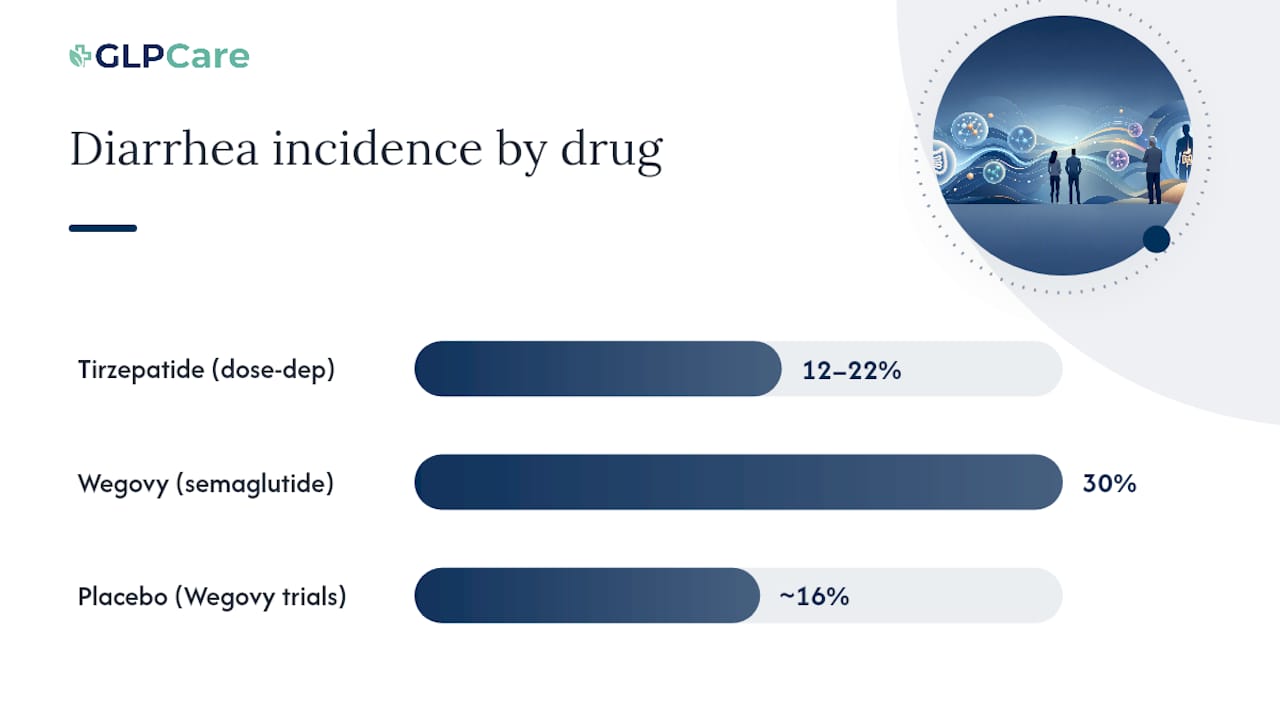
In the tirzepatide trials, diarrhea affected a notable portion of participants, with rates increasing at higher doses. That dose-dependence is consistent across both drug classes: the higher you titrate, the more likely you are to notice GI symptoms, at least at first.
Timing follows a predictable arc. GI adverse events, including diarrhea on tirzepatide and diarrhea on Wegovy, cluster heavily during the initiation phase and each dose increase, then taper off as your body adjusts to a stable maintenance dose. Post-hoc analyses of the SURMOUNT trials found that most use of antidiarrheal or antiemetic medication happened in the first 24 weeks of treatment, concentrated right around dose escalation windows.
For most people, this means diarrhea is a matter of weeks, not months. If you’ve just moved up a dose and you’re having loose stools for three to ten days before things settle, that tracks with what the trials show. Symptoms that persist well beyond a dose change, or that show up out of nowhere during a stable maintenance period, are a different story and deserve a closer look rather than more patience.
Immediate Self-Care Steps When Diarrhea Starts
The first 24 to 48 hours matter most. Your priority isn’t stopping the diarrhea outright, it’s protecting your hydration and electrolyte balance while your gut settles.
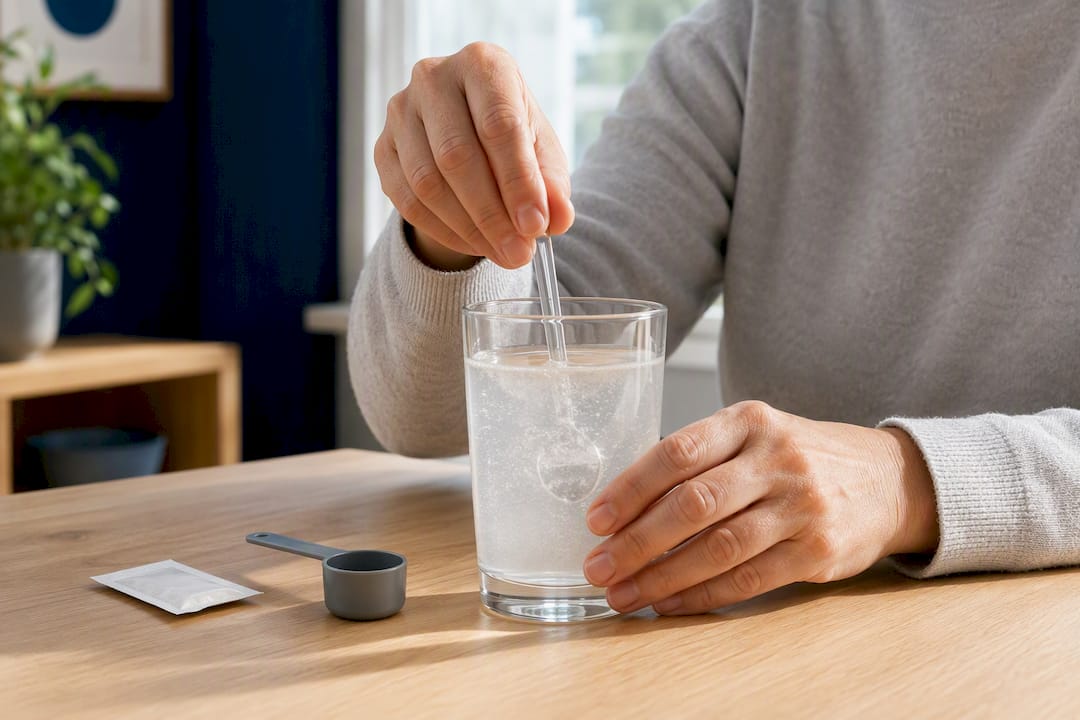
1. Switch from plain water to an oral rehydration solution. Diarrhea flushes out sodium, potassium, and glucose along with fluid, and water alone doesn’t replace any of that. An ORS, whether a commercial packet or a homemade mix of water, salt, and sugar, restores what you’re losing far more effectively. A practical target: aim for a baseline of about 64 fluid ounces of fluid a day, and add roughly 8 fluid ounces of ORS for every additional loose stool beyond your normal pattern.
2. Simplify your food for a short window. BRAT-style foods (bananas, rice, applesauce, toast) are low-residue and easy on an irritated gut. Small, frequent meals beat three large ones, since a big meal asks more of digestion than a system that’s already struggling to keep pace.
3. Consider loperamide for acute, severe episodes, but treat it as a short-term tool. Loperamide (the active ingredient in Imodium) slows intestinal transit and can be genuinely helpful for a rough day. Check with your clinician or pharmacist on dosing before you start, especially if you’re on other medications. Avoid using it daily as a preventive measure. Overcorrecting with loperamide can flip you into bloating or constipation, which brings its own discomfort and sometimes gets mistaken for a new problem when it’s really the antidiarrheal doing its job too well.
4. Track your urine color and output. Pale yellow means you’re keeping up. Dark urine, infrequent urination, or dizziness when standing are signs you need more fluids, faster than food alone can provide.
Pro Tip: Keep a few ORS packets on hand from the day you start your GLP-1 prescription, not after symptoms hit. Waiting until you’re already dehydrated to shop for electrolyte solutions makes a manageable flare harder to catch.
Once symptoms ease, return to your normal diet gradually rather than jumping straight back to your usual meals. A slow reintroduction gives your gut a chance to confirm it’s actually ready.
Foods That Trigger Flares and How to Eat Around Them
What’s on your plate has an outsized effect on how your gut responds to a GLP-1 medication, and a few categories cause more trouble than the rest.
High-fat and fried foods are the biggest offenders. Because these drugs already slow gastric emptying, a greasy meal sits in your stomach longer and asks more of a digestive system that’s working differently than it used to. Spicy foods irritate an already-sensitive gut lining. Sugar alcohols, the “sugar-free” sweeteners in some protein bars, gums, and diet sodas (xylitol, sorbitol, erythritol), are notorious for causing loose stools even in people not on any medication, and they compound the effect for GLP-1 patients. Sudden jumps in fiber, like adding a big salad or a bran cereal during an active flare, can also make things worse, even though fiber is usually a good habit long-term.
Foods and habits worth adjusting during a flare:
- Fried foods, fatty cuts of meat, heavy cream sauces
- Spicy dishes and heavily seasoned takeout
- Sugar-free products containing xylitol or sorbitol
- Large raw-vegetable salads or bran-heavy cereals
- Carbonated drinks, which add bloating on top of loose stools
Once symptoms calm down, shift toward a protein-first approach rather than avoiding food groups altogether. Lean protein at each meal helps protect muscle mass while you’re losing weight, which matters more on a GLP-1 medication than most people realize, since rapid weight loss without adequate protein tends to pull from muscle as well as fat. Smaller, more frequent meals beat three large ones, and stopping when you’re comfortably full (rather than at your old “done eating” point) prevents the kind of overfilled stomach that triggers both nausea and diarrhea. A protein-first meal structure built around your new appetite signals does more for long-term tolerance than any single food swap.
Medications That Can Make GLP-1 Diarrhea Worse
Your GLP-1 prescription might not be working alone. Two very common medications deserve a second look if you’re dealing with persistent GI stomach issues: metformin and proton pump inhibitors.
Metformin, prescribed widely for type 2 diabetes, causes diarrhea in a meaningful share of patients even without a GLP-1 drug in the mix. Combine the two, and the GI burden can stack rather than simply add. Pharmacist guidance on GLP-1 side effects recommends that clinicians review concurrent metformin use carefully when a patient reports worsening diarrhea after starting a GLP-1 medication, since a metformin dose adjustment sometimes resolves the issue without touching the GLP-1 dose at all.
PPIs, commonly used for heartburn and reflux (omeprazole, pantoprazole, and similar drugs), are the other frequent culprit. They change stomach acid levels and shift gut bacteria in ways that have been linked to increased diarrhea risk independent of any GLP-1 therapy.
Medication review points worth raising with your clinician or pharmacist:
- Whether metformin timing or dose can be adjusted around your GLP-1 injection
- Whether a PPI is still necessary or could be reduced
- Whether an antiemetic prescribed for nausea might be contributing to GI upset
- Whether antidiarrheal use has become frequent enough to signal a bigger issue
Clinicians have several levers here that don’t require quitting your GLP-1 medication. Slowing the titration schedule, holding a dose at its current level for a few extra weeks, temporarily pausing another medication, or in some cases stepping the GLP-1 dose back down are all standard options. None of these are last resorts. They’re often the first thing a good clinician tries.
When to Contact a Provider: Red Flags and Medical Workup
Most GLP-1 diarrhea resolves with the self-care steps above. But certain symptoms mean it’s time to call your provider rather than wait it out, and a few mean it’s time to seek care right away.
1. Signs of dehydration. Dizziness when standing, a noticeably dry mouth, dark urine, or urinating far less than usual all indicate you’re losing fluid faster than you’re replacing it. This is the single most important red flag, since FDA labeling for Wegovy specifically warns that GI adverse reactions can lead to dehydration and, in some cases, acute kidney injury.
2. Blood in your stool, or stool that looks black and tarry. Either can indicate bleeding somewhere in your digestive tract and needs same-day evaluation.
3. Severe or worsening abdominal pain, especially if it’s localized, sharp, or paired with fever. This combination can point to something beyond routine GI upset, including pancreatitis or gallbladder issues, both of which carry their own association with GLP-1 therapy.
4. Diarrhea lasting more than a week or two without improvement, particularly outside a dose-escalation window. Persistent symptoms deserve investigation rather than continued self-management.
When you do reach out, expect your clinician to walk through the timing of your symptoms relative to your last dose increase, review your medication list for interactions, and possibly order a basic metabolic panel to check kidney function and electrolyte levels. If an infection is suspected, a stool test can rule out other causes. Severe or unexplained pain sometimes warrants imaging. From there, the medical management path usually involves dose adjustment, a temporary hold, or a referral to a gastroenterologist if standard steps don’t resolve things.
How Coordinated Monitoring Helps You Stay on Treatment
Catching a GI problem early is almost always easier than fixing one that’s been building for weeks, and that’s where structured GLP-1 diarrhea management programs earn their keep. Glpcare builds baseline GI screening into the start of every plan, so a clinician knows about prior IBS, gallbladder history, or reflux issues before your first dose, not after a flare sends you searching for answers.
From there, the Glpcare wearable fitness band tracks resting heart rate, sleep, and activity trends that can shift when dehydration or GI distress sets in, giving your care team an early signal beyond what you’d notice on your own. Paired with the app, where you log your dose, symptoms, and meals, your clinician sees the full picture between visits instead of piecing it together from memory during a rushed appointment.
Coordinated support that helps during a GI flare includes:
- Baseline GI screening before your first dose to flag personal risk factors
- An individualized titration schedule instead of a one-size-fits-all escalation
- Wearable-tracked vitals that flag early dehydration trends
- Nutrition coaching that adjusts your meal plan around active symptoms, not just your weight-loss goal
- Direct clinician access so a dose hold or adjustment happens quickly rather than after weeks of guessing
This kind of oversight matters most for patients with a history of recurring GI issues, or anyone who’s had one bad flare already and wants to avoid a second one. It doesn’t replace your prescribing clinician. It gives that clinician more to work with, and gives you a faster path back to feeling normal on your medication.
Do Probiotics Help With GLP-1 Related Diarrhea?
Probiotics are a reasonable question to ask, since GLP-1 medications do change how your gut operates, but the evidence supporting them for this specific side effect is thin. There’s no large clinical trial showing probiotics prevent or resolve GLP-1 induced diarrhea the way ORS or dose-pacing does.
That said, the underlying logic isn’t unreasonable. GLP-1 therapy alters gut motility and secretions, and some research on the gut microbiome more broadly suggests that a disrupted bacterial balance can worsen diarrhea from other causes, including antibiotics. It’s plausible that supporting a healthy microbiome could ease some of that disruption, but plausible isn’t the same as proven.
If you want to try a probiotic, treat it as a low-risk add-on rather than a primary strategy. Look for products with well-studied strains like Lactobacillus rhamnosus GG or Saccharomyces boulardii, both of which have research behind them for diarrhea in other contexts, and give it a few weeks before judging results. Skip anything marketed with vague “gut health” claims and no listed strain or dose. Talk to your clinician before adding a probiotic if you’re immunocompromised or dealing with any other GI condition, since even generally safe supplements carry some risk in specific situations. The bottom line for now: probiotics are worth a conversation with your provider, not a substitute for hydration, dose pacing, or medical evaluation when symptoms are severe.
Diarrhea and Staying on Your GLP-1 Medication
GI side effects are one of the most common reasons people stop GLP-1 therapy before they see the results they started treatment for, and diarrhea is a major driver of that dropout. That’s a real problem, because the medication’s biggest benefits, sustained weight loss and improved metabolic markers, take months to fully show up. Quitting during a rough first few weeks means missing the payoff you were working toward.
The good news is that most GLP-1 diarrhea is temporary, which means quitting altogether is rarely the only option. A far more common fix is adjusting how you’re taking the medication: slowing the titration pace, extending time at a lower dose, or pairing treatment with more deliberate hydration and meal planning from day one.
Staying in close contact with your clinician during the first two to three months makes a measurable difference here. Patients who report symptoms early get help before things escalate to the point of quitting out of frustration. Waiting until a flare becomes unbearable, then stopping the medication cold, often means restarting the whole titration process later, which just repeats the adjustment period you were trying to avoid. If cost or access to symptom management is part of what’s driving early discontinuation, a program with built-in nutrition coaching and clinician check-ins tends to catch problems before they turn into a stopped prescription.
When to Consider Switching or Stopping GLP-1 Therapy
Most diarrhea on GLP-1 medications resolves within a few weeks of a dose change. Persistent symptoms, meaning diarrhea that continues well past the titration window or shows no improvement after clinician-guided adjustments, are the signal that it’s time for a bigger conversation rather than another round of home remedies.
Before considering discontinuation, your clinician has several intermediate steps worth exhausting: a longer hold at your current dose, a temporary dose reduction, a switch between semaglutide and tirzepatide (patients occasionally tolerate one better than the other despite similar mechanisms), or investigation of other causes entirely, since not every GI symptom during GLP-1 treatment is actually caused by the GLP-1 drug.
If diarrhea persists despite these adjustments and starts affecting your quality of life, nutrition status, or ability to stay hydrated, that’s a legitimate reason to discuss stopping therapy with your provider. This isn’t a failure of the medication or of you. Some patients simply don’t tolerate this drug class well, and a clinician can help you weigh alternative approaches to weight management or metabolic control. The decision to discontinue should always happen with your prescribing clinician, ideally after ruling out other causes and trying at least one dose or schedule adjustment first.
Preventing GLP-1 Diarrhea Before It Starts
The best diarrhea management is the flare you never have. A handful of proactive steps meaningfully lower your risk before you even feel the first symptom.
Gradual titration is the single biggest lever. Clinical consensus guidance recommends a conservative approach, prioritizing diet and hydration support and slowing dose increases when GI symptoms appear, rather than pushing through on schedule regardless of how you’re tolerating it. If your clinician offers a slower titration option and you’ve had GI sensitivity before, take it.
Baseline GI screening before you start matters more than most people expect. Clinician practice notes on pre-treatment screening suggest that identifying pre-existing GI issues, like IBS or a history of gallbladder problems, before your first dose improves overall tolerability, because your care team can plan around known risk factors instead of reacting to them.
Proactive hydration and meal planning round out the prevention strategy. Start stocking ORS packets before your first dose, not after your first flare. Front-load protein and fiber gradually into your diet in the weeks before starting, rather than overhauling everything the same week you begin injections. And build in smaller, more frequent meals as a baseline habit, since that single change reduces strain on a digestive system that’s already adjusting to a new hormone signal.
The Real Lesson in the Data on GLP-1 Diarrhea
The clinical trial numbers tell a more reassuring story than most patients hear before they start treatment. Diarrhea on tirzepatide and diarrhea on Wegovy are common, dose-dependent, and heavily front-loaded into the first weeks of therapy. That’s not a footnote. It’s the single most useful fact in this entire topic, because it tells you the smart response to a bad week three isn’t panic or quitting, it’s patience paired with active hydration.
Where I think conventional advice falls short is in treating diarrhea as something to just “push through” without giving patients a concrete plan. Telling someone “it usually gets better” isn’t the same as telling them to keep ORS on hand from day one, watch their urine color, and call their clinician if a slower titration option exists. The gap between those two pieces of advice is the difference between a patient who stays on therapy for the year it takes to see real results and one who quits in week four out of frustration.
What actually works is unglamorous: hydrate deliberately, eat around your triggers instead of ignoring them, and treat your prescribing clinician as a partner you check in with early, not a last resort. Coordinated monitoring closes the gap between “it’s probably fine” and knowing it’s fine, which is exactly the difference that keeps people on treatment long enough to benefit from it.
— Dominique
Manage GLP-1 Side Effects With Ongoing Clinical Support
Glpcare is built for exactly the situation this article describes: starting or escalating a GLP-1 medication and needing more than a pamphlet’s worth of guidance when side effects show up. Instead of managing diarrhea, dosing, and nutrition on your own between rushed appointments, you get a clinician-backed program that pairs your prescription with baseline GI screening, an individualized titration plan, and a wearable band that flags dehydration trends before they become a bigger problem.

Nutrition coaching adjusts your meal plan around what you’re actually experiencing, not a generic template, and the app keeps your care team looped in on symptoms, doses, and meals so adjustments happen fast instead of at your next scheduled visit. If you’re wondering whether a more supported approach fits your situation, take the GLP-1 readiness quiz to see how Glpcare’s integrated model could work for your treatment plan.
FAQ
What Can I Take for Diarrhea While on a GLP-1 Medication?
An oral rehydration solution is your first priority, followed by bland, low-residue foods like the BRAT staples. Short-term loperamide can help with a severe episode, but check with your clinician before using it and avoid taking it daily.
How Do I Get Rid of GLP-1 Diarrhea?
Most cases resolve on their own within one to two weeks by staying hydrated with ORS, avoiding high-fat and high-sugar foods, and letting your body adjust to the current dose. If symptoms persist beyond that window, your clinician may slow your titration schedule or review other medications, like metformin or a PPI, that could be contributing.
How Long Should Diarrhea Last on a GLP-1 Medication?
Diarrhea typically peaks during dose escalation and improves within one to two weeks as your body adjusts, based on patterns seen in the SURMOUNT and SURPASS trial programs. Diarrhea lasting longer than two to three weeks without improvement warrants a call to your provider.
Should I Stop My GLP-1 Medication if I Have Diarrhea?
Not usually, since most diarrhea on GLP-1 therapy is transient and manageable with hydration, diet adjustments, and sometimes a slower titration schedule. Stopping is worth discussing with your clinician only if symptoms are severe, persistent despite adjustments, or come with red flags like dehydration or blood in your stool.
When Should I Worry About Diarrhea on a GLP-1 Medication?
Contact your provider promptly if you notice dehydration symptoms like dizziness or dark urine, blood or black, tarry stool, or severe abdominal pain paired with fever. These signs go beyond typical GLP-1 stomach issues and need medical evaluation rather than home management.