Your Personalized Wellness Plan: A Practical Guide

Your Personalized Wellness Plan: A Practical Guide

TL;DR:
- A personalized wellness plan is tailored to your biology, lifestyle, and goals using continuous health data. It includes baseline assessments, regular updates, and clinical oversight to adapt to changing physiology. Effective plans focus on reducing friction with simple routines and ongoing adjustments based on real-time monitoring.
A personalized wellness plan is a data-informed health system built around your unique biology, lifestyle, and goals. Generic programs treat everyone the same. A truly personalized approach aligns your nutrition, fitness, and daily habits with your actual biomarkers, genetic profile, and current health state. The result is a plan that works because it was built for you, not for a statistical average. Glpcare applies this principle directly to weight management, combining GLP-1 therapy, nutrition coaching, and real-time wearable data to create individual health strategies that adapt as you do.
What does a personalized wellness plan actually include?
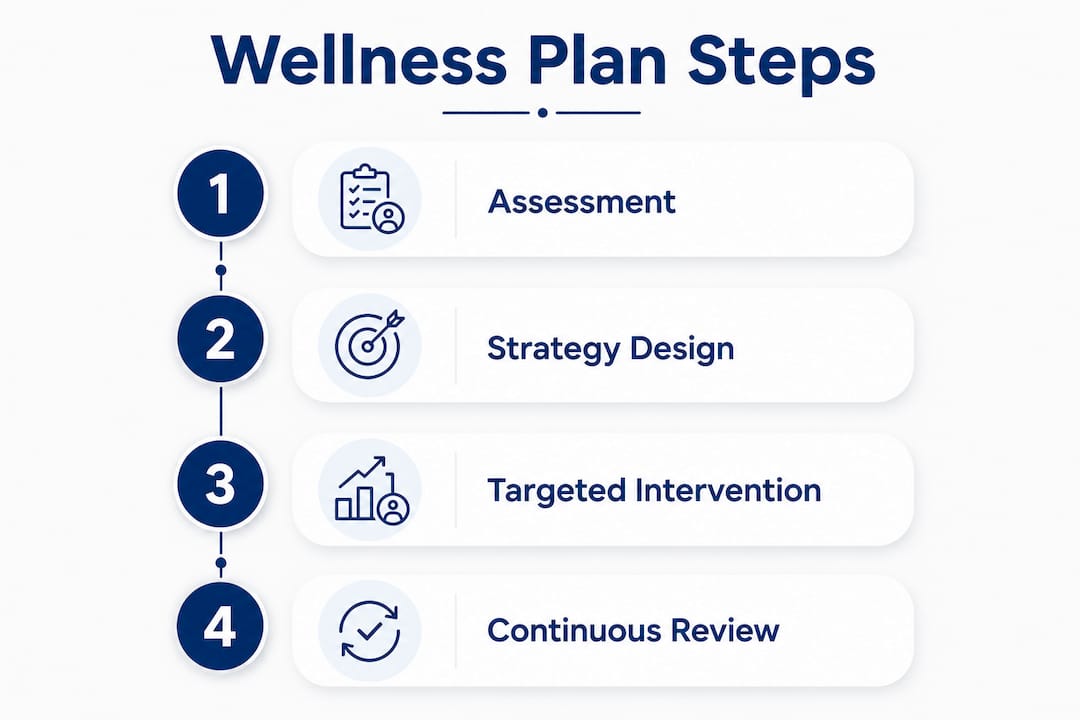
A personalized wellness plan is defined as a four-stage cycle: assessment, strategy design, targeted intervention, and ongoing iteration. Each stage feeds the next. You assess your current health, design a strategy based on that data, act on it, then adjust based on results. Most people skip the assessment and jump straight to action. That is why most plans fail within weeks.
The plan tracks multiple health determinants at once, including sleep quality, blood glucose, body composition, stress markers, and activity levels. This is not a checklist. It is a living system that reflects how your body actually functions day to day. The difference between a generic wellness program and a truly personalized one is the depth of data feeding each decision.
Clinical programs go further by incorporating quarterly blood draws and regular physician coaching sessions. These check-ins keep the plan calibrated to your current physiology, not the version of you that existed six months ago. Biology changes. Your plan must change with it.
How to assess your current health and wellness profile
Assessment is the foundation of any credible personalized health program. Without it, every recommendation is a guess. A thorough baseline covers four areas: medical history, biometrics, genetics, and lifestyle patterns.
Here is what a complete assessment typically includes:
- Medical history: Chronic conditions, medications, past injuries, and family health patterns
- Biometrics: Body weight, body fat percentage, blood pressure, resting heart rate, and waist circumference
- Blood panels: Fasting glucose, HbA1c, lipid profile, thyroid function, vitamin D, and inflammatory markers like CRP
- Genetic data: Variants in key genes affecting methylation, vitamin D metabolism, stress response, and energy production
- Lifestyle audit: Sleep duration and quality, daily movement, dietary habits, alcohol intake, and stress levels
Genetic variants in six key genes influence how your body processes food, responds to supplements, and recovers from stress. Knowing your predispositions is useful. Combining that genetic data with your current metabolic markers is far more powerful. DNA tells you what might happen. Your bloodwork tells you what is happening right now.
Advanced diagnostics add another layer. DEXA scans measure lean mass versus fat mass with precision. VO2 max testing reveals cardiovascular fitness and metabolic efficiency. Some programs use 150-question surveys across 10 health categories to establish a behavioral baseline before any intervention begins.

Pro Tip: Before starting any personalized health program, request a full metabolic panel from your physician. That single step gives you a concrete starting point and makes every subsequent recommendation far more specific.
How to design your nutrition, fitness, and lifestyle strategy
Once your assessment is complete, the data translates into three coordinated strategies: nutrition, fitness, and lifestyle. Each one must reflect your actual biology, not a general recommendation.
Nutrition tailored to your biomarkers
Your diet should respond to your metabolic data. If your fasting glucose is elevated, a lower-carbohydrate approach with timed eating windows may apply. If your ferritin is low, iron-rich foods and absorption-supporting nutrients become a priority. Genetic and metabolic data together provide the best foundation for nutrition decisions, because predisposition alone does not tell the full story.
Caffeine sensitivity is a practical example. A genetic variant in the CYP1A2 gene determines how quickly your liver clears caffeine. Slow metabolizers who drink coffee after noon often experience disrupted sleep, which then undermines recovery and weight management. Knowing this changes a simple daily habit with measurable downstream effects.
A fitness plan built around your physiology
A tailored fitness regimen includes three components: cardiovascular training, resistance work, and mobility. The ratio of each depends on your goals, current fitness level, and recovery capacity. Someone managing weight loss with GLP-1 therapy, for example, needs a resistance training emphasis to preserve lean muscle mass during caloric reduction.
Sequencing matters as much as selection. Stabilizing sleep and blood sugar before adding high-intensity training prevents burnout and improves compliance. Starting with the most foundational metrics, then layering in complexity, produces better long-term results than trying to fix everything at once.
Lifestyle adjustments that support the whole plan
Sleep hygiene, stress reduction, and recovery protocols are not optional additions. They are the infrastructure that makes nutrition and fitness work. Poor sleep raises cortisol, which drives fat storage and increases appetite. Chronic stress blunts the hormonal signals that regulate hunger and satiety.
Practical lifestyle adjustments include:
- Setting a consistent sleep and wake time seven days a week
- Limiting screen exposure in the 60 minutes before bed
- Scheduling at least one full rest day per week from structured exercise
- Using breathwork or short meditation sessions to reduce cortisol during high-stress periods
- Tracking daily steps as a low-effort baseline for non-exercise activity
Why does continuous monitoring make or break your plan?
A personalized wellness plan is not a static document. It is a dynamic operating system that requires regular updates to stay effective. Biology shifts in response to stress, aging, seasonal changes, and medication. A plan built in january may be partially obsolete by april without adjustment.
The metrics worth tracking consistently include:
- Sleep quality and duration: Tracked nightly via a wearable or sleep diary
- Resting heart rate and heart rate variability: Early signals of recovery status and stress load
- Body composition: Lean mass versus fat mass, measured monthly or quarterly
- Blood glucose trends: Fasting levels and post-meal responses where relevant
- Blood pressure: Especially important during weight loss or medication changes
Quarterly bloodwork and coaching sessions are the minimum standard for a plan that stays genuinely personalized. Anything less and you are operating on outdated data. The coaching component matters because data alone does not change behavior. A clinician or health coach translates numbers into specific actions.
| Monitoring method | Frequency | What it reveals |
|---|---|---|
| Blood panel | Quarterly | Metabolic health, nutrient status, inflammation |
| Body composition scan | Monthly | Lean mass changes, fat loss progress |
| Wearable biometrics | Daily | Sleep, heart rate, activity trends |
| Physician check-in | Quarterly | Plan calibration, medication review |
| Symptom and habit log | Weekly | Behavioral patterns, energy, mood |
AI platforms address one of the biggest barriers to consistent monitoring: data overwhelm. AI-driven platforms translate complex health data into prioritized weekly actions, so you know exactly what to focus on without needing a medical degree to interpret your results. Glpcare uses this same principle, delivering real-time insights through a screenless fitness band that tracks sleep, heart rate, and activity, then surfaces the most relevant guidance through an AI companion.
Pro Tip: Review your wearable data weekly, not daily. Daily fluctuations create noise. Weekly trends reveal patterns worth acting on.
What separates a real personalized plan from a generic one?
Most wellness programs marketed as “personalized” are templates with your name on them. A genuinely personalized health and wellness program has three non-negotiable features: clinical integration, feedback mechanisms, and dynamic adjustment.
Watch for these red flags in any program you consider:
- No baseline blood work or biometric assessment before recommendations begin
- No follow-up testing or coaching after the initial plan is delivered
- Nutrition and fitness advice that does not change based on your results
- No physician or licensed clinician involved in the design or oversight
- Supplement recommendations with no connection to your actual lab values
“Plans without clinical integration and feedback mechanisms quickly become generic and ineffective. The absence of quarterly bloodwork or coaching is a clear signal that a program is not truly personalized.”
Clinical integration with labs, coaching, and physician oversight is what separates effective personalized wellness programs from generic ones. This is not about prestige. It is about accountability and accuracy. A plan reviewed by a clinician who sees your actual numbers will always outperform one built on self-reported data alone.
The true value of a wellness plan lies in structured daily routines that turn knowledge into consistent action. Knowing your optimal protein intake is useless without a meal structure that makes hitting that target realistic on a Tuesday evening after a long workday.
What I’ve learned about making personalized wellness actually work
After years of watching people build and abandon wellness plans, one pattern stands out. The plans that work are not the most sophisticated ones. They are the ones that reduce friction between knowing and doing.
Most people come to personalized health programs with a list of things they want to fix simultaneously. Weight, sleep, energy, stress, and fitness all feel urgent. The instinct is to address everything at once. That instinct is wrong. The plans that produce lasting results start with one or two foundational changes, stabilize them, and then build from there.
The technology side of wellness has genuinely improved. AI companions that surface your most relevant health action for the day, wearables that track sleep stages and heart rate variability without a screen, and at-home lab testing that rivals clinical-grade panels have all made personalized health programs more accessible. But technology is a tool, not a replacement for clinical judgment.
What I tell anyone starting a personalized wellness program: find a clinician who will look at your actual data, not just your symptoms. Get your baseline bloodwork done before you change anything. And treat your plan as a working document, not a finished product. The version of you in six months will need a different plan than the version of you today. That is not a failure. That is the whole point.
— Dominique
How Glpcare brings personalized wellness to life
Glpcare is built for people who want more than a generic weight management program.
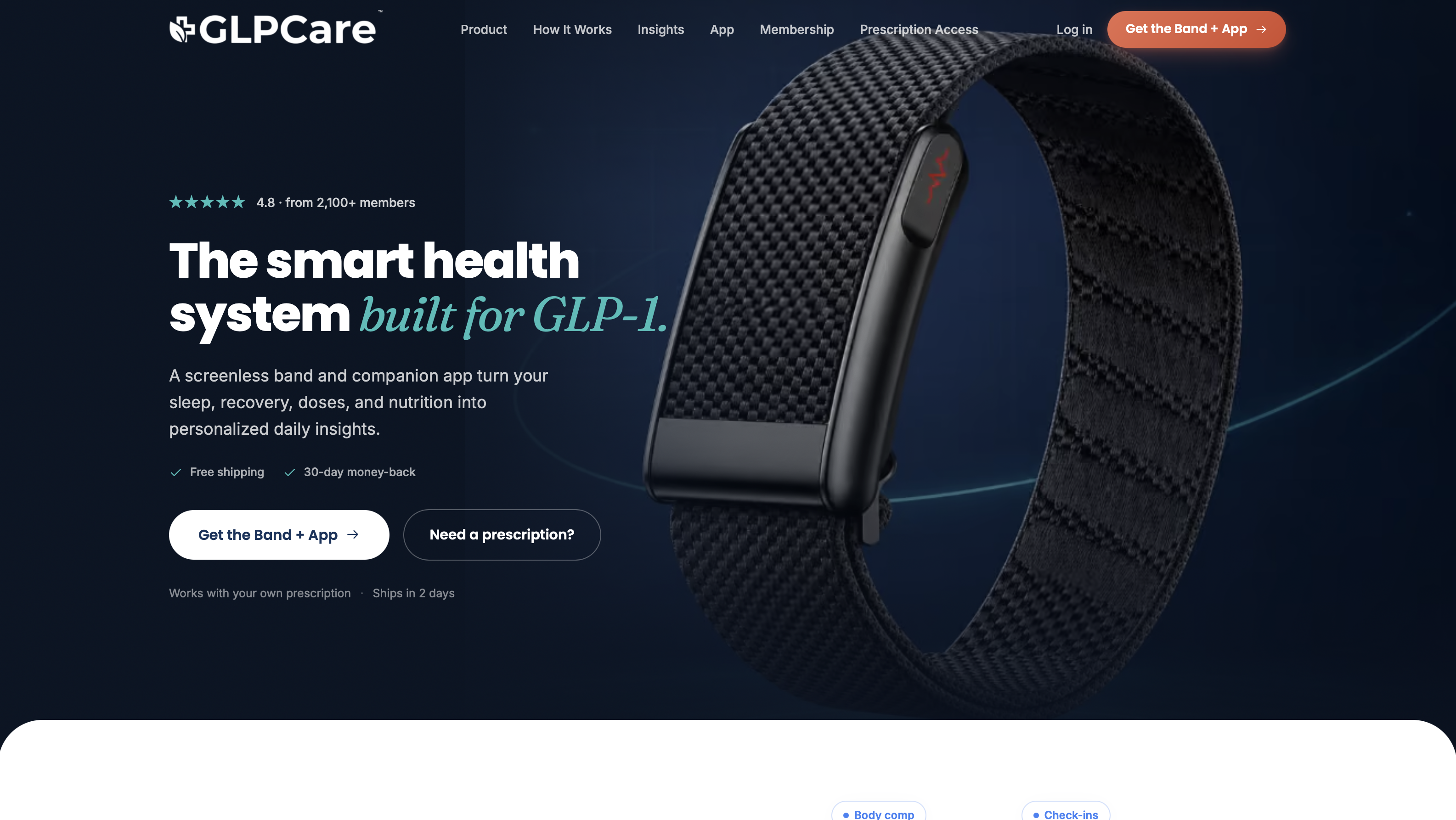
Glpcare combines GLP-1 therapy, personalized nutrition coaching, and a screenless fitness band that tracks sleep, heart rate, and activity in real time. An AI companion analyzes your daily inputs and surfaces the most relevant guidance for your current health state. Clinician support runs continuously throughout the program, not just at the start. People using Glpcare have reported significant weight loss alongside improved health indicators, with muscle preservation built into the approach from day one. If you are ready to build a plan grounded in your actual biology, explore Glpcare’s approach and take the first step toward a program that adapts with you.
FAQ
What is a personalized wellness plan?
A personalized wellness plan is a health strategy built around your individual biology, lifestyle, and goals. It integrates nutrition, fitness, and lifestyle adjustments based on biometric and genetic data, then adapts over time as your health changes.
How is a personalized plan different from a generic program?
A genuine personalized health program includes baseline diagnostics, clinical oversight, and regular plan updates based on your results. Generic programs use the same recommendations for everyone, regardless of individual health data.
How often should a personalized wellness plan be updated?
Plans should be reviewed at minimum quarterly, aligned with blood panel results and coaching check-ins. Wearable data and weekly habit logs allow for smaller adjustments between formal reviews.
Do I need a doctor to create a personalized wellness plan?
Physician involvement is the standard that separates effective plans from generic ones. A clinician who reviews your lab values and adjusts recommendations based on results produces far better outcomes than a self-directed program alone.
Can a personalized wellness plan help with weight management?
A well-designed individual health strategy addresses the metabolic, behavioral, and hormonal factors that drive weight. Programs that combine clinical oversight, nutrition coaching, and real-time biometric tracking, like Glpcare, produce more consistent results than diet or exercise alone.
Key Takeaways
A personalized wellness plan works because it combines clinical diagnostics, continuous monitoring, and dynamic adjustment into a system that evolves with your biology.
| Point | Details |
|---|---|
| Assessment comes first | Baseline bloodwork, biometrics, and genetic data must precede any recommendations. |
| Sequencing prevents burnout | Stabilize sleep and blood sugar before adding fitness complexity or supplements. |
| Plans must adapt over time | Quarterly reviews and ongoing biometric tracking keep your plan aligned with your current health. |
| Clinical oversight is non-negotiable | Physician involvement and lab-based feedback separate real personalization from generic templates. |
| Daily routines drive results | Structured daily habits turn data insights into consistent, measurable behavior change. |